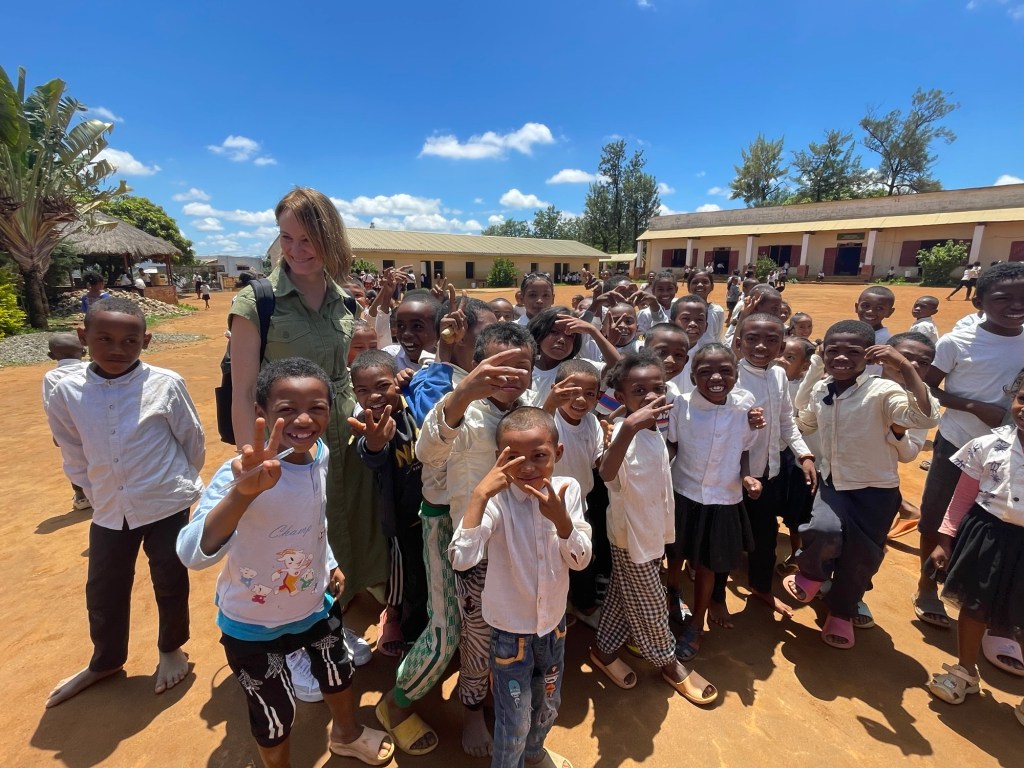
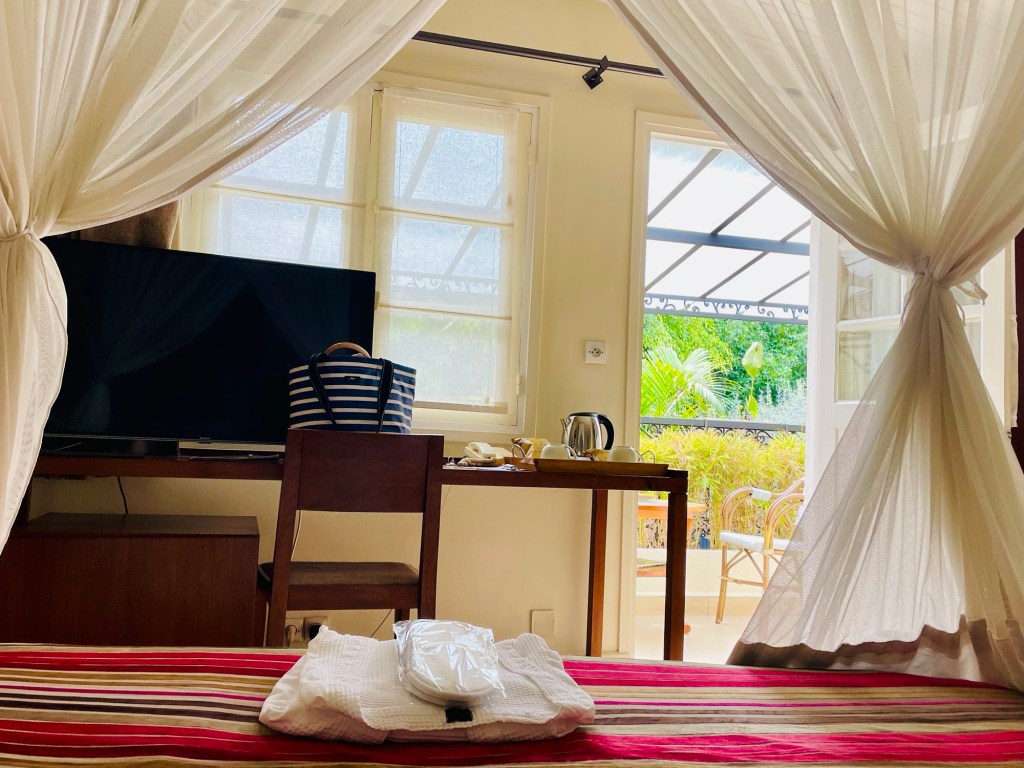
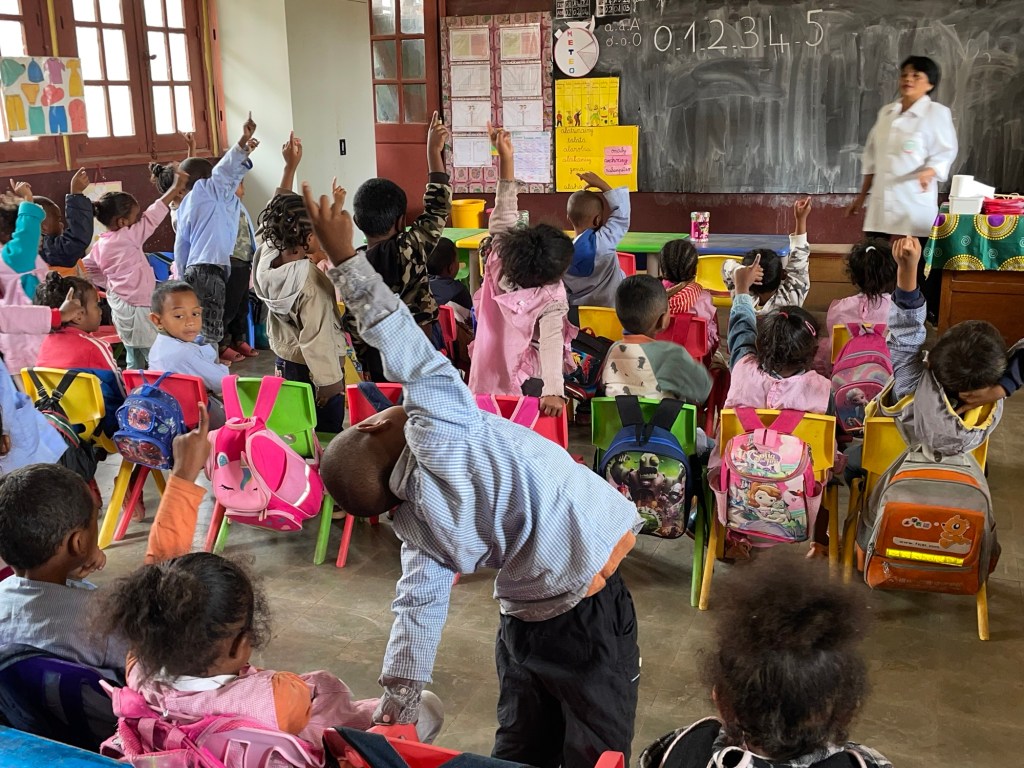
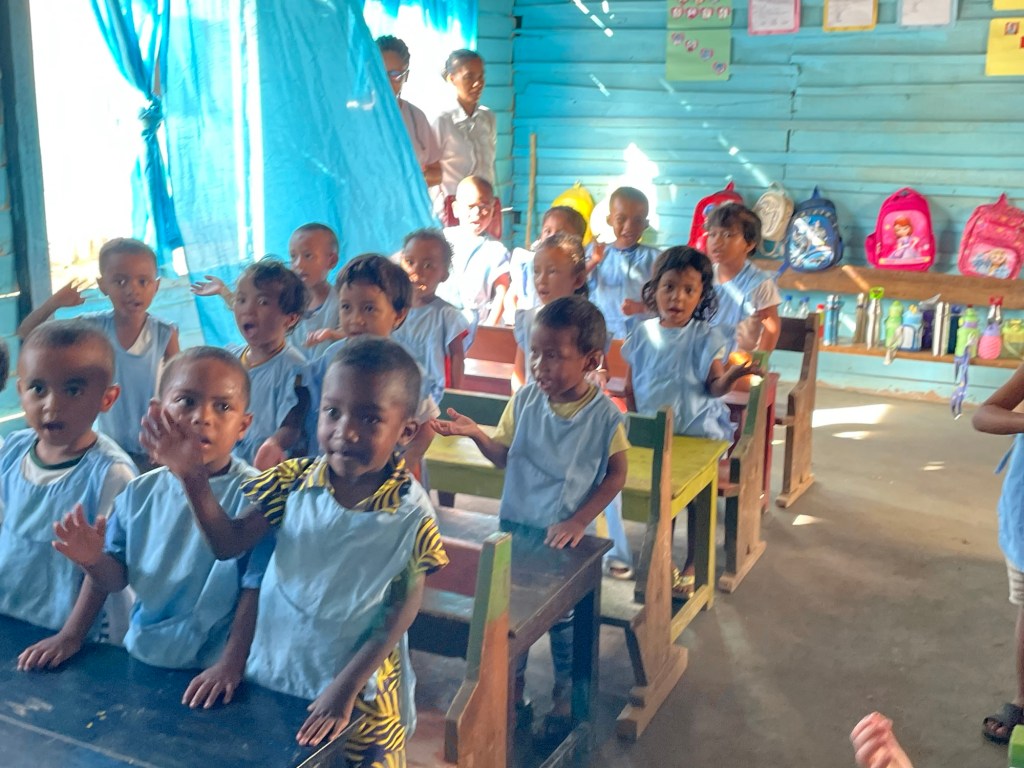
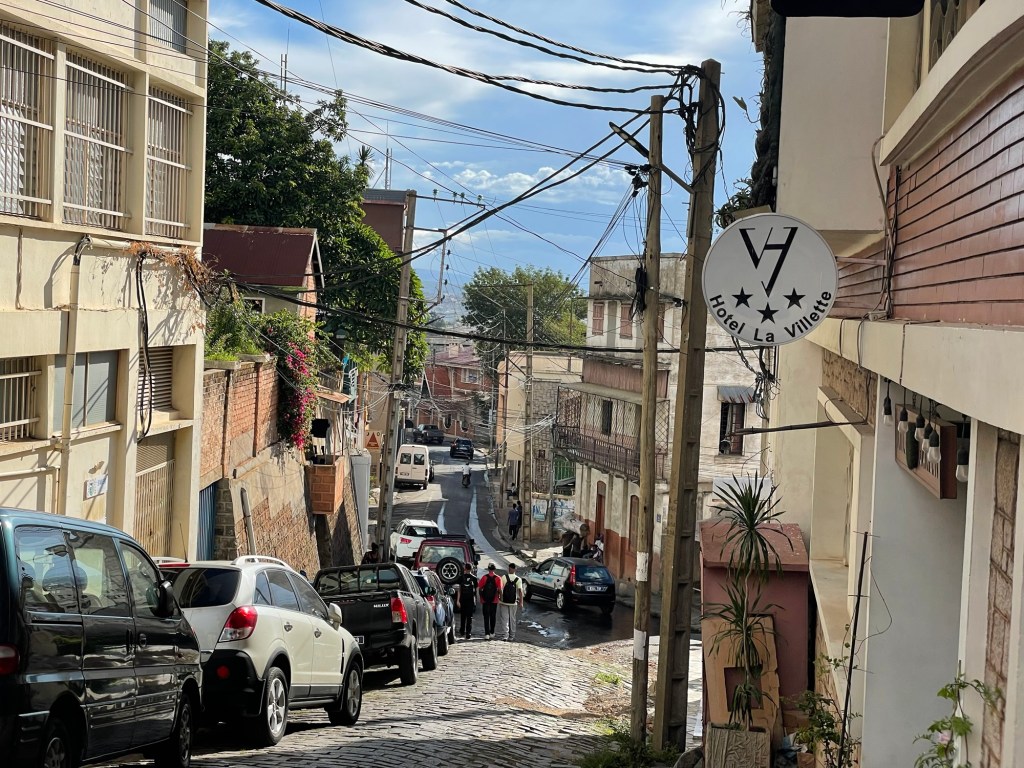
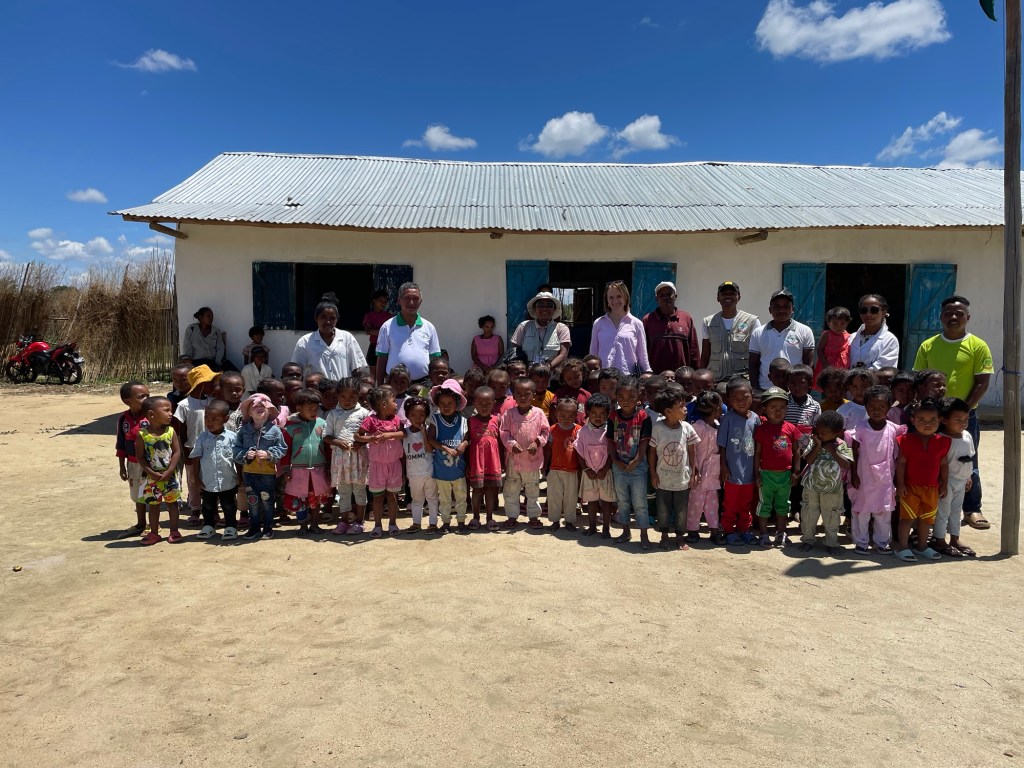
How lucky am I? One minute I’m sitting on my balcony overlooking the antique car collection in the Alsace room of boutique hotel La Varangue, watching a tiny, bright orange bird dart close and away again; and the next I’m being serenaded by a classroom of Malagasy four-year-olds who are alternately shy, exuberant and dazed.
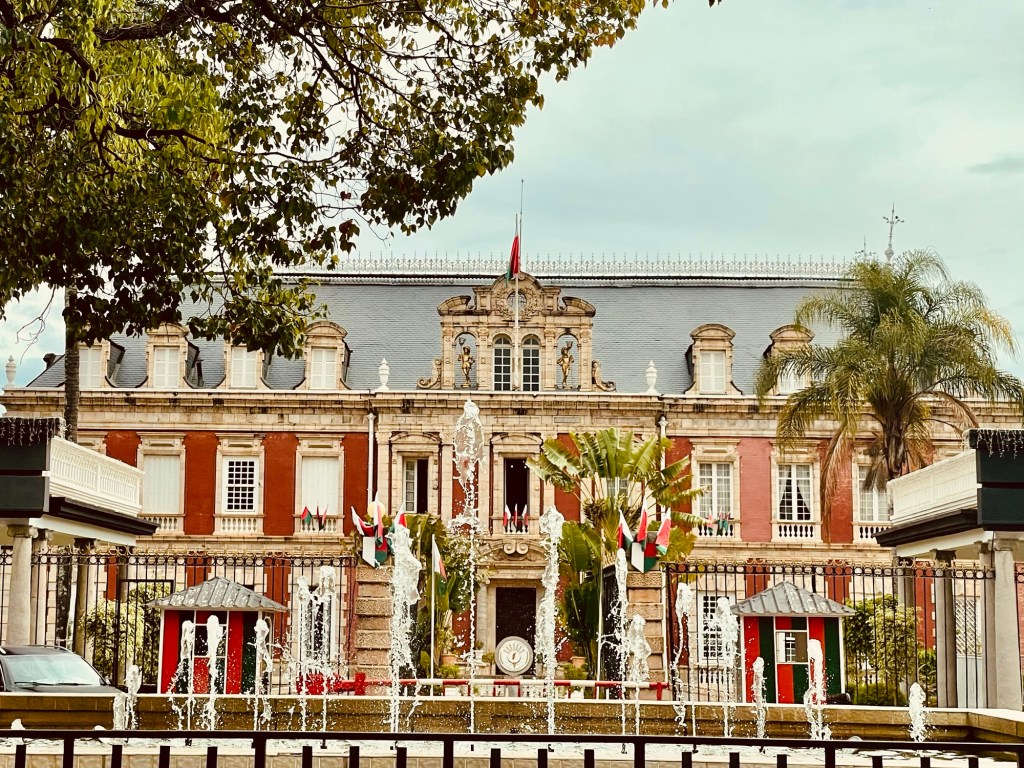
The World Bank hired me to design a national strategic plan to implement a high-quality preschool system across Madagascar, and I work with a counterpart at UNICEF. After a week of back-to-back meetings last month with high-level stakeholders like Ministry officials and donor agencies in the capital city of Anatanarivo (Tana), I was ready to go into the field—which entailed about 6 hours on the road and was still not too far from the interior, nowhere close to the coast.
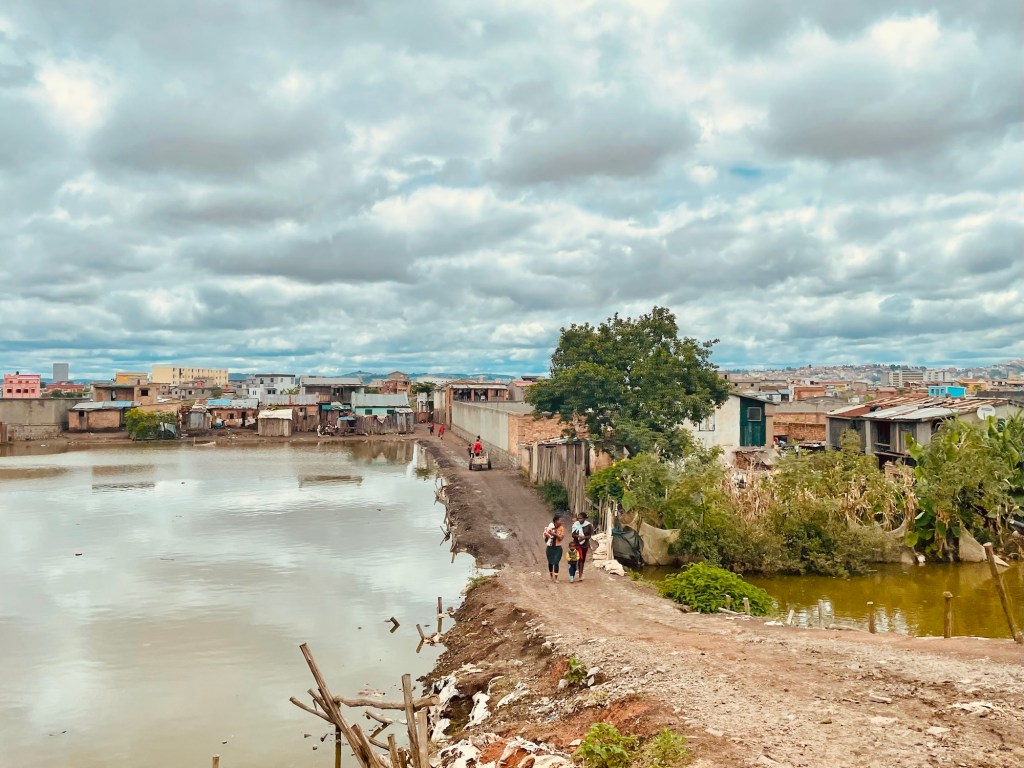
And by field, I mean mud. It being rainy season, February offered a few pounding rain storms while I was there. I don’t remember the storms in Jakarta lasting as long as these did. The first night in Tana, as predicted according to multiple cyclone warning alerts, the rain thundered down unrelentingly for hours. Madagascar is on the forefront of global climate crisis damages, hit by both droughts and flooding.
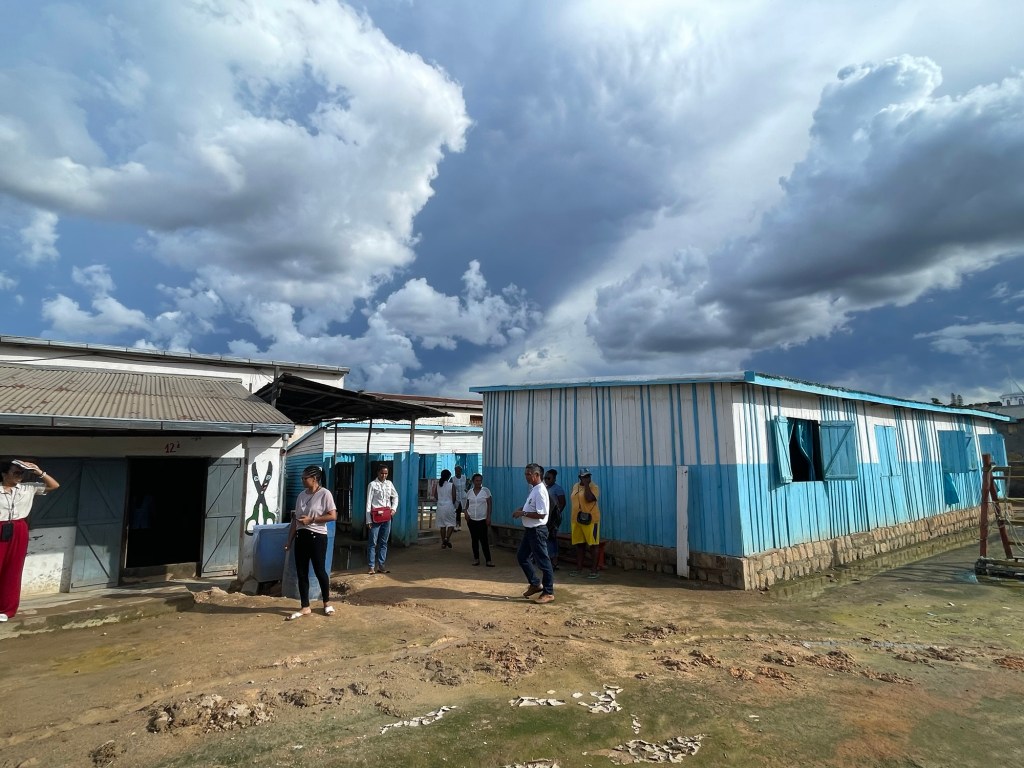
Despite having gorgeous and abundant natural resources, such as minerals, coastal beauty and funky wildlife like fat-tailed lemurs, it’s one of the top ten (top two?) poorest countries in the world. It was hard to be there when Trump shut down USAID programs suddenly. I had one government official ask me at the end of our meeting whether the water supply at his church would be cut off…and I had to answer with some shame that it was likely and I was very sorry.
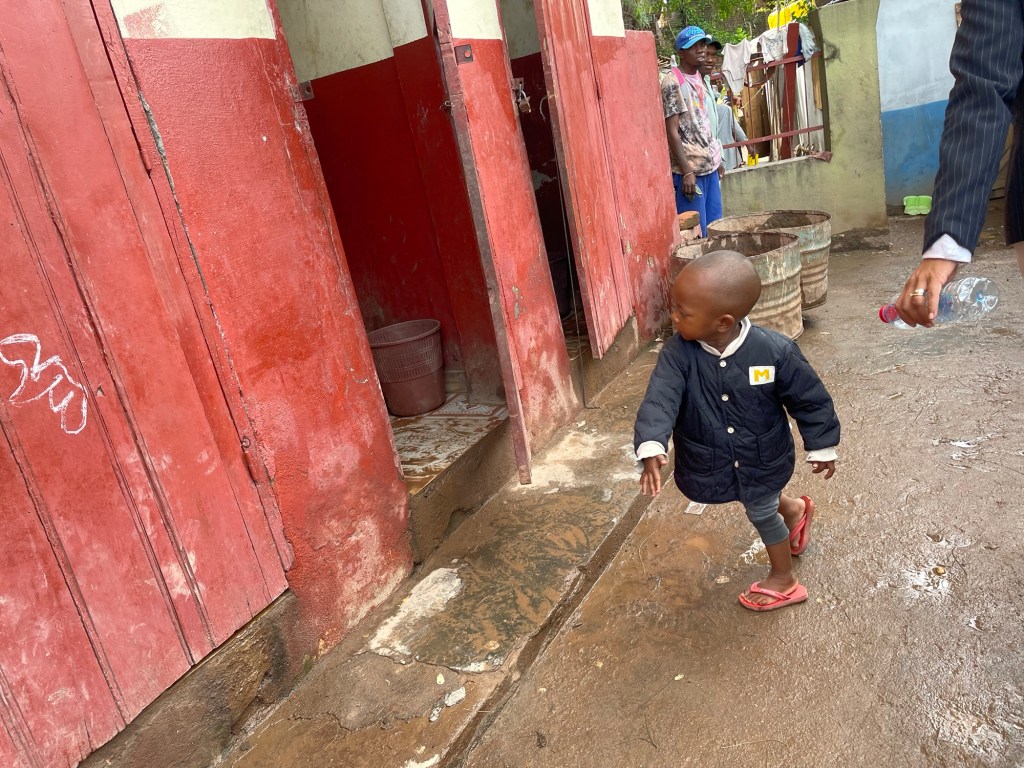
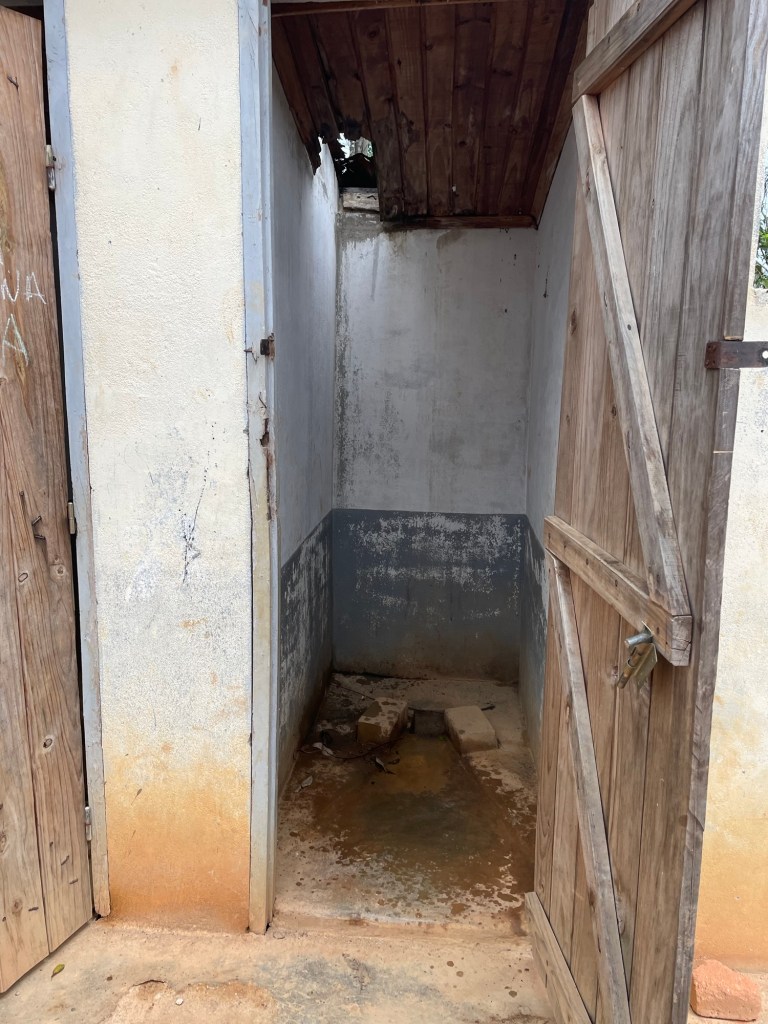
Even in the government offices—for example, in the regional director’s office, the equivalent of the head of the state department of education, there was no office laptop or printer. But that didn’t matter, because there was also no electricity. I finished taking notes at 6:00 pm on paper by the flashlight on my phone. Bizarre. The bathroom (squatty potty) for that office was also among the worst I saw, even relative to the schools.

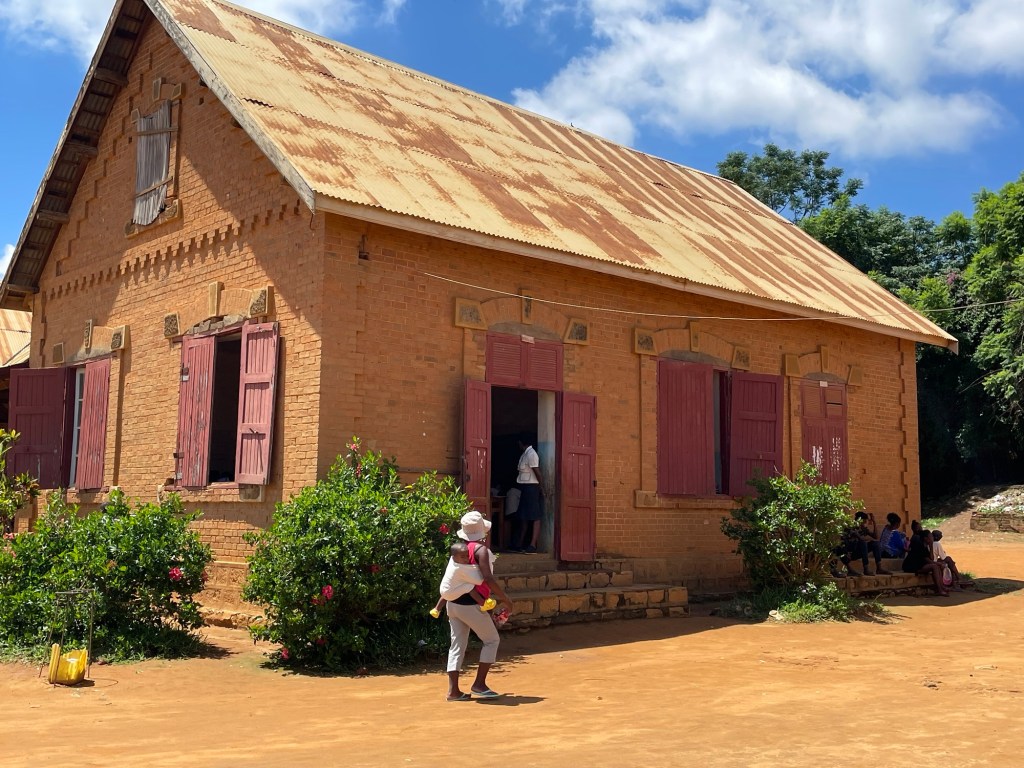
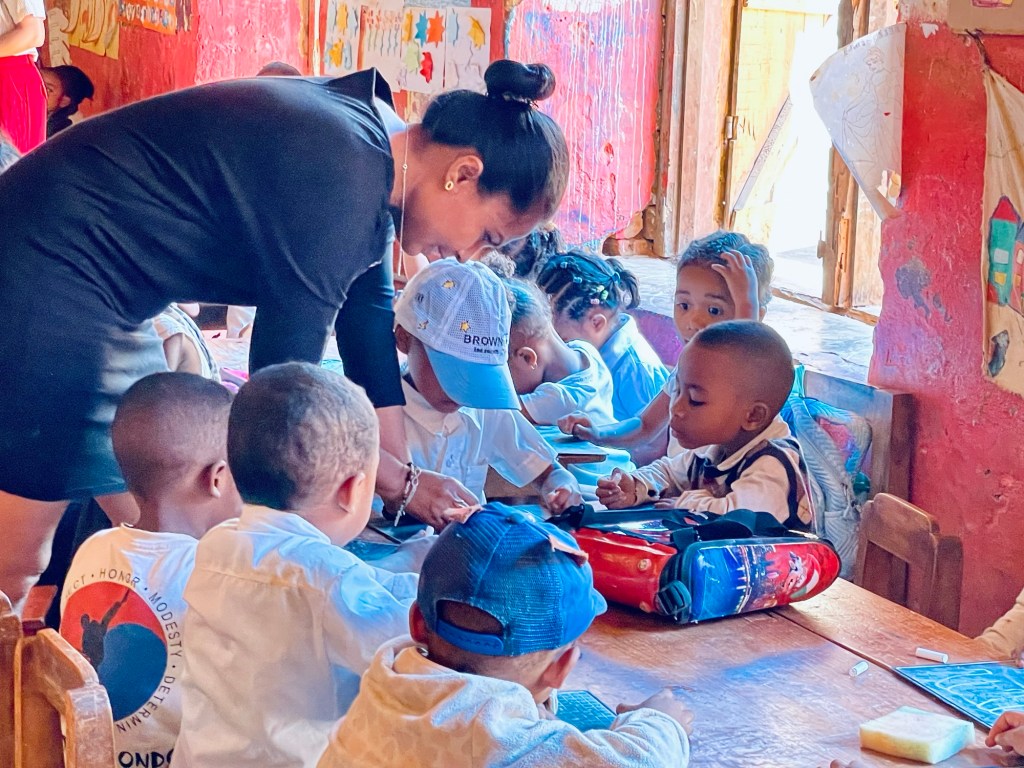
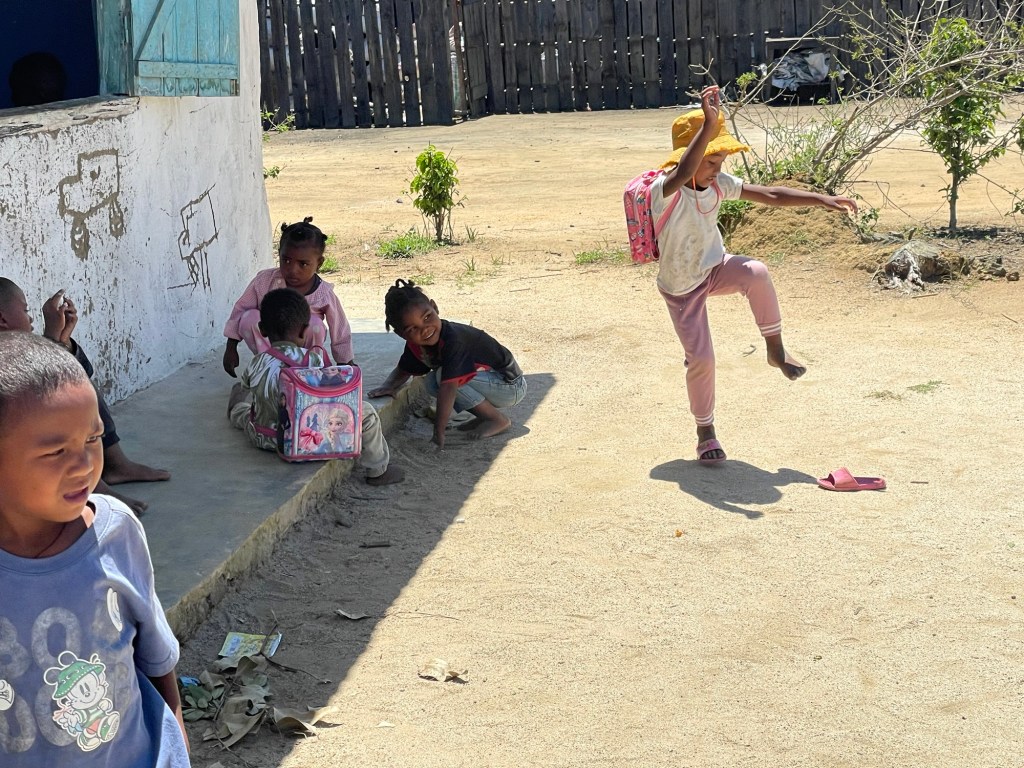
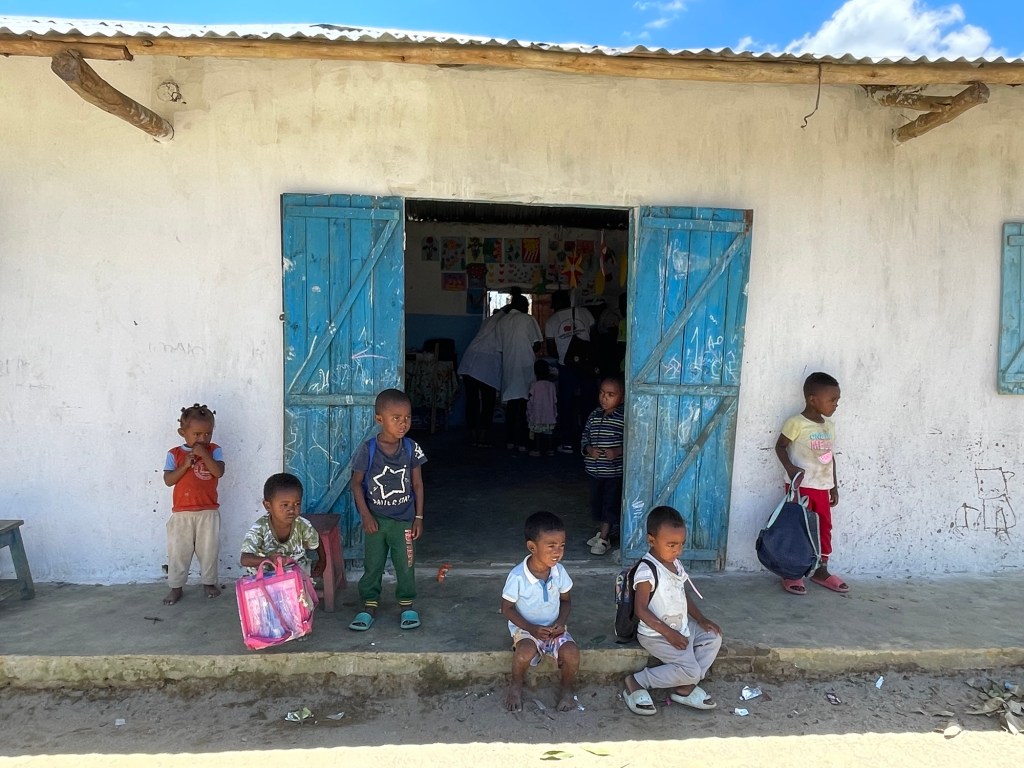
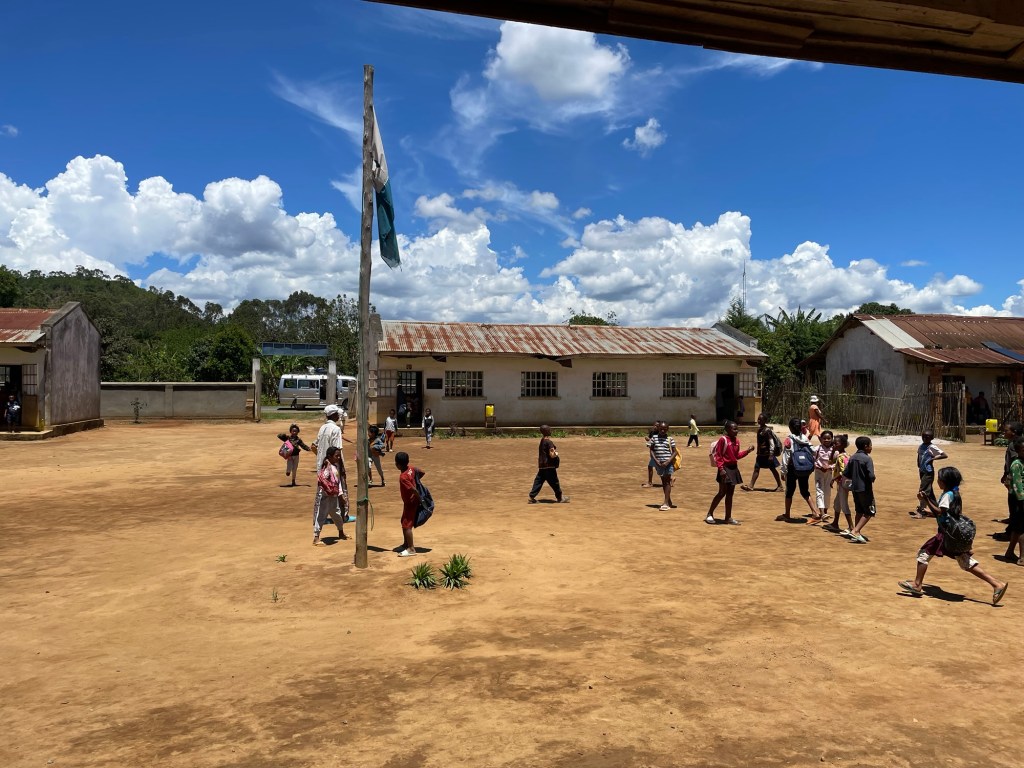
The preschoolers often squatted outside, and even at the nicer private school, supported by the church, the latrine had a hole in the roof, was far from the classrooms and required crossing a tiny bridge, not easy for a preschooler. I didn’t see a bar of soap anywhere. Sanitation and clean drinking water remain big problems for these small human beings. The rate of stunting—irreversible physical and cognitive impairments caused by chronic malnutrition for children under age 5–stands at over 40 percent.
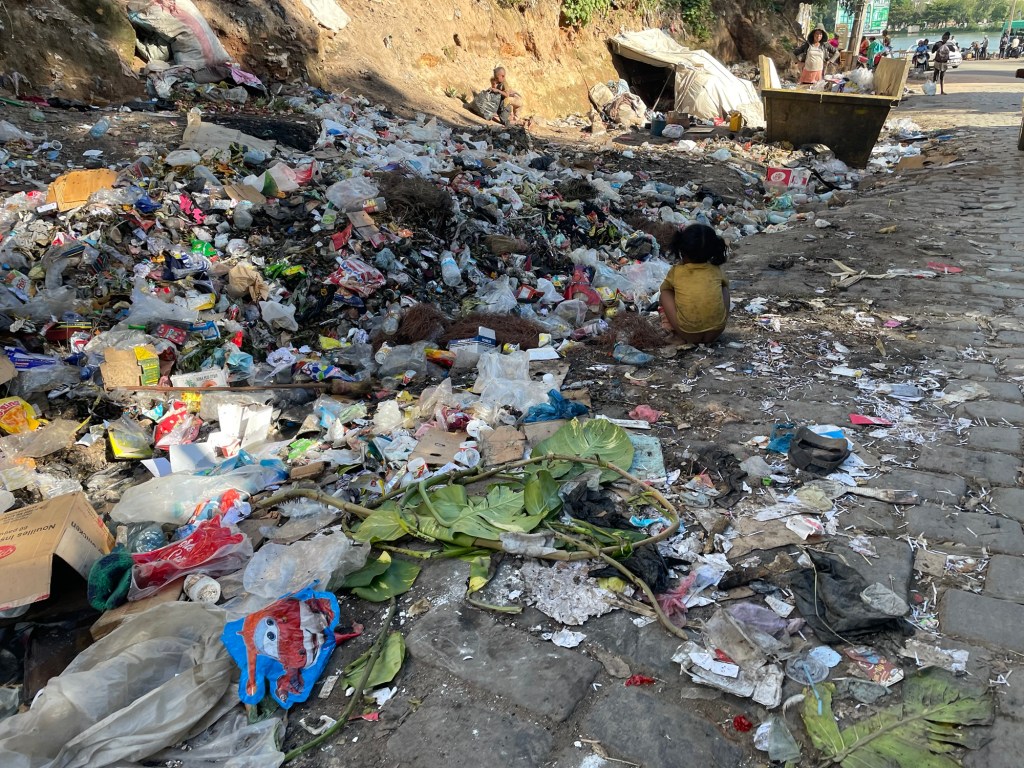
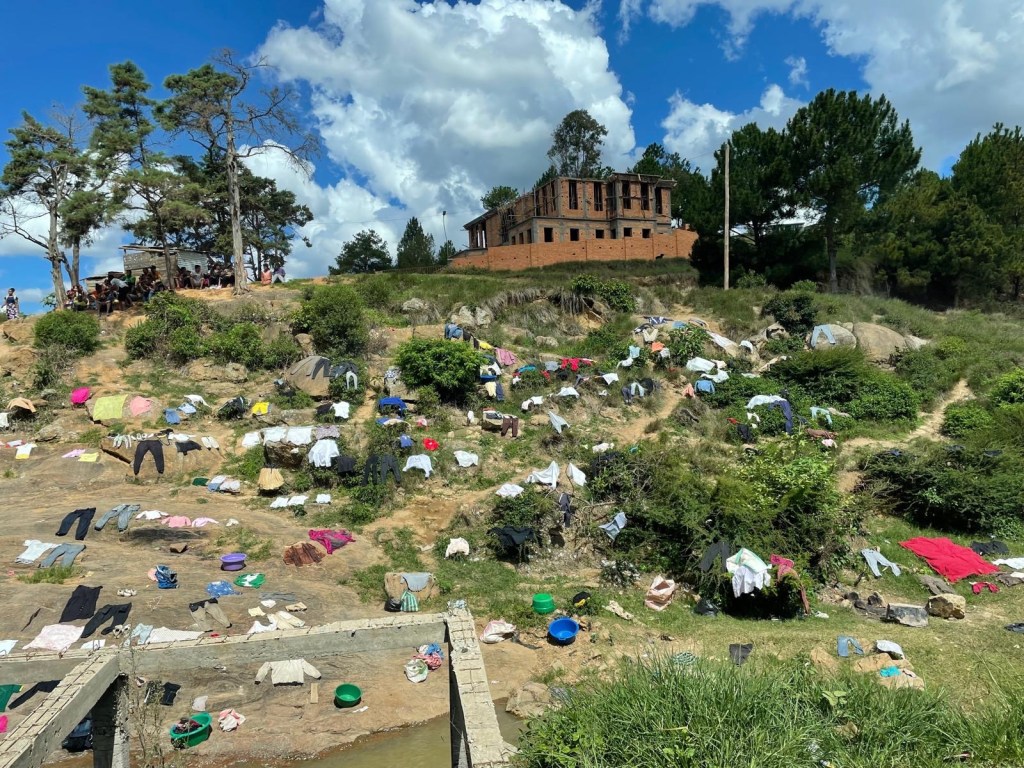
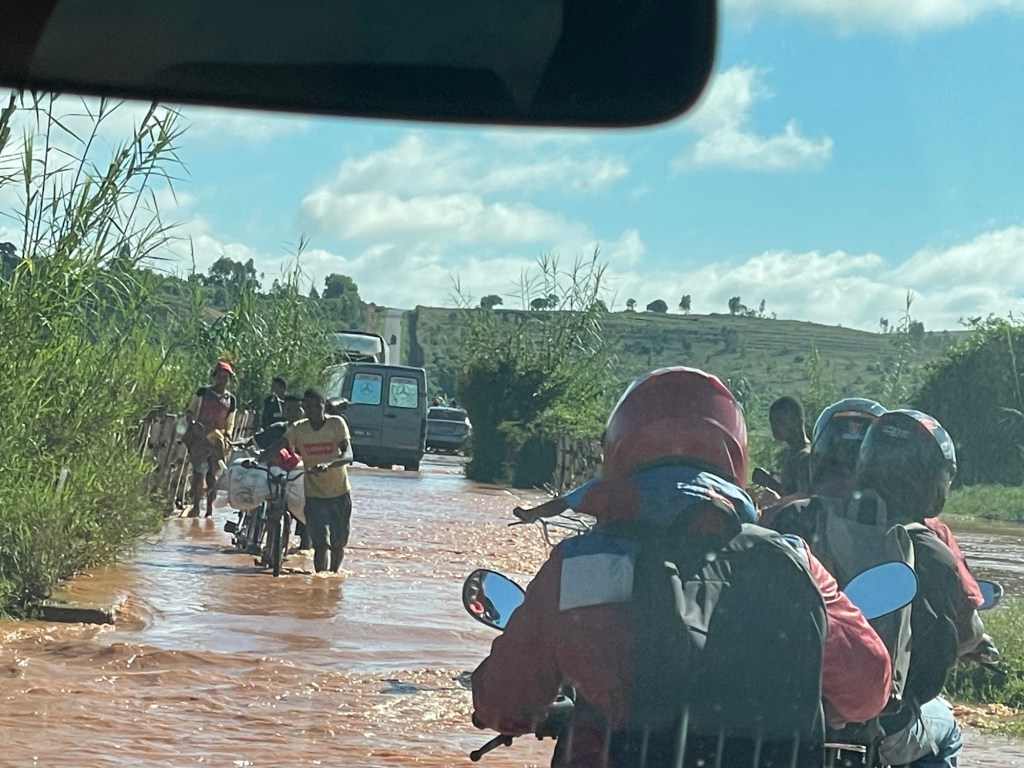
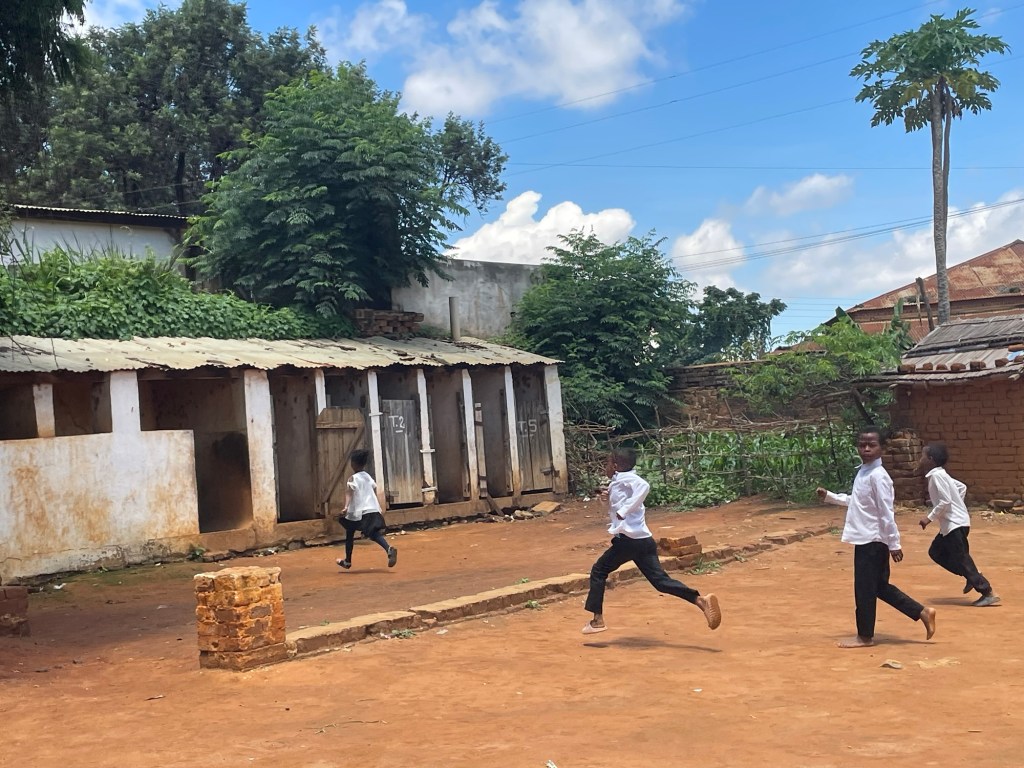
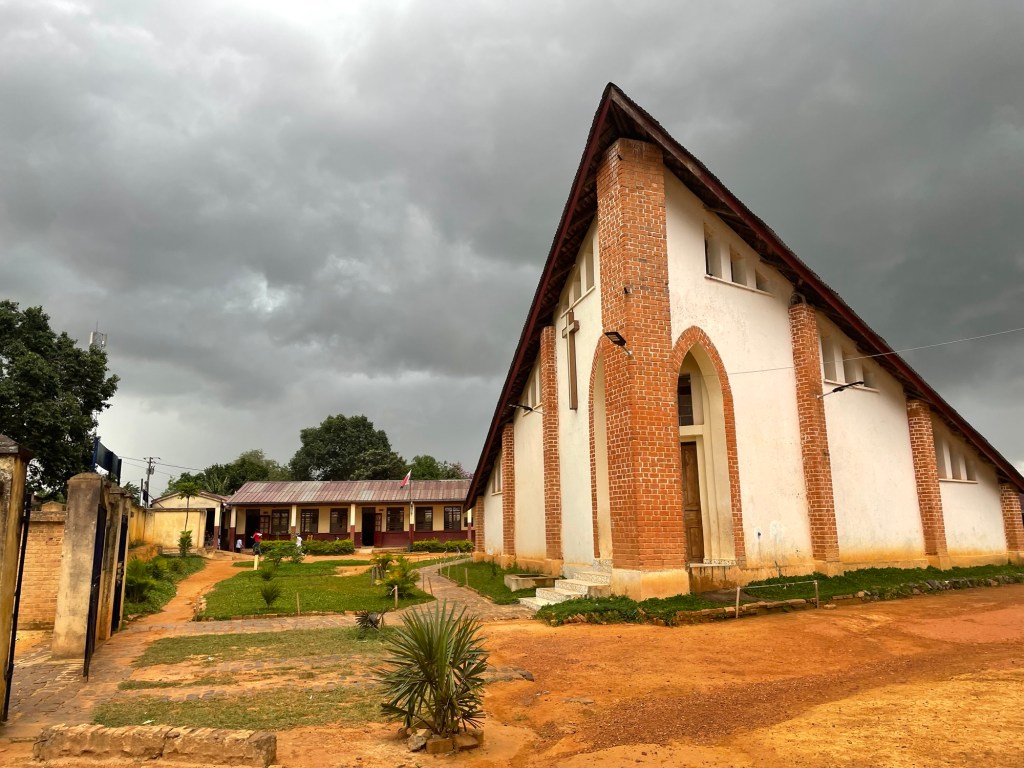
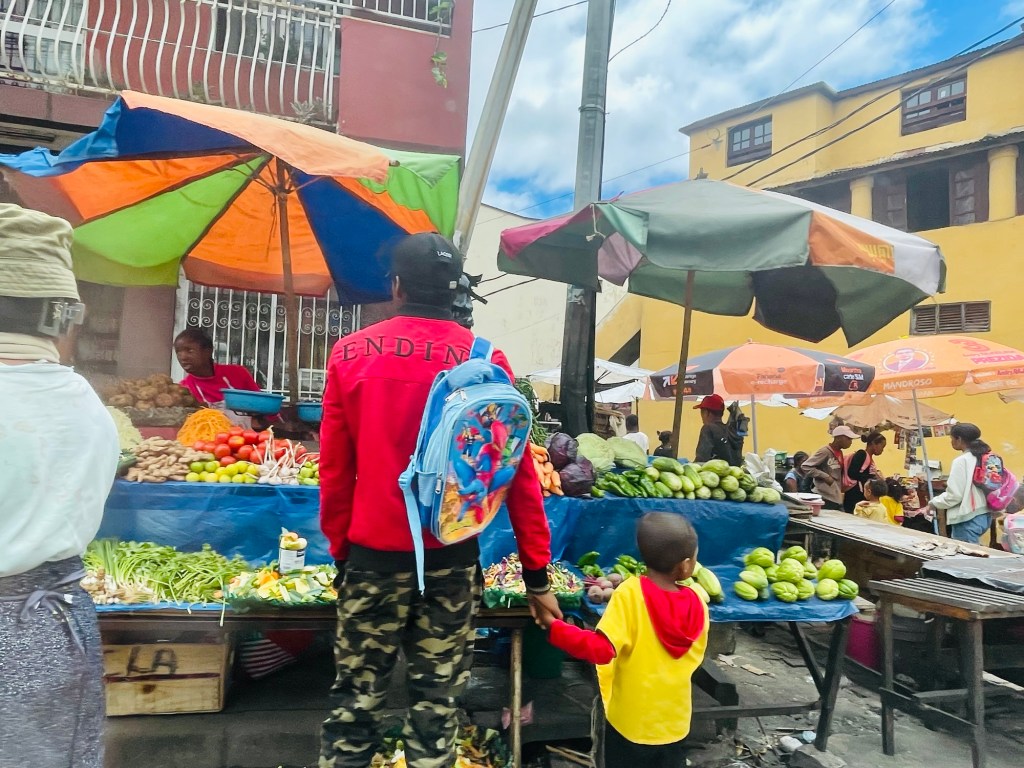
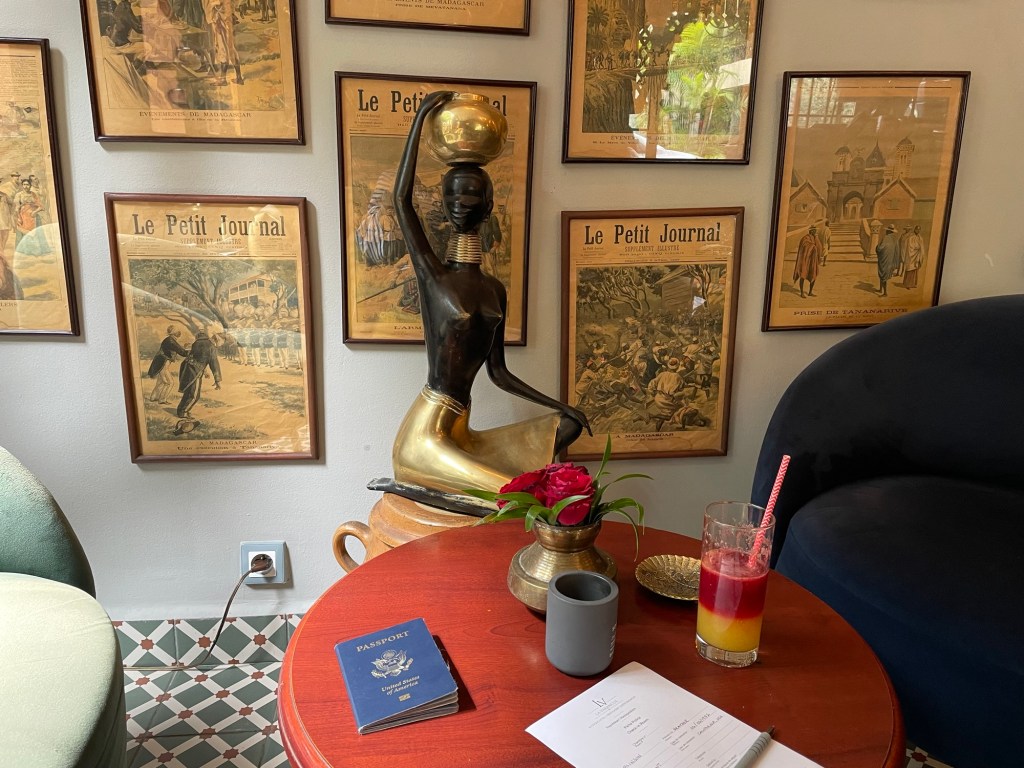
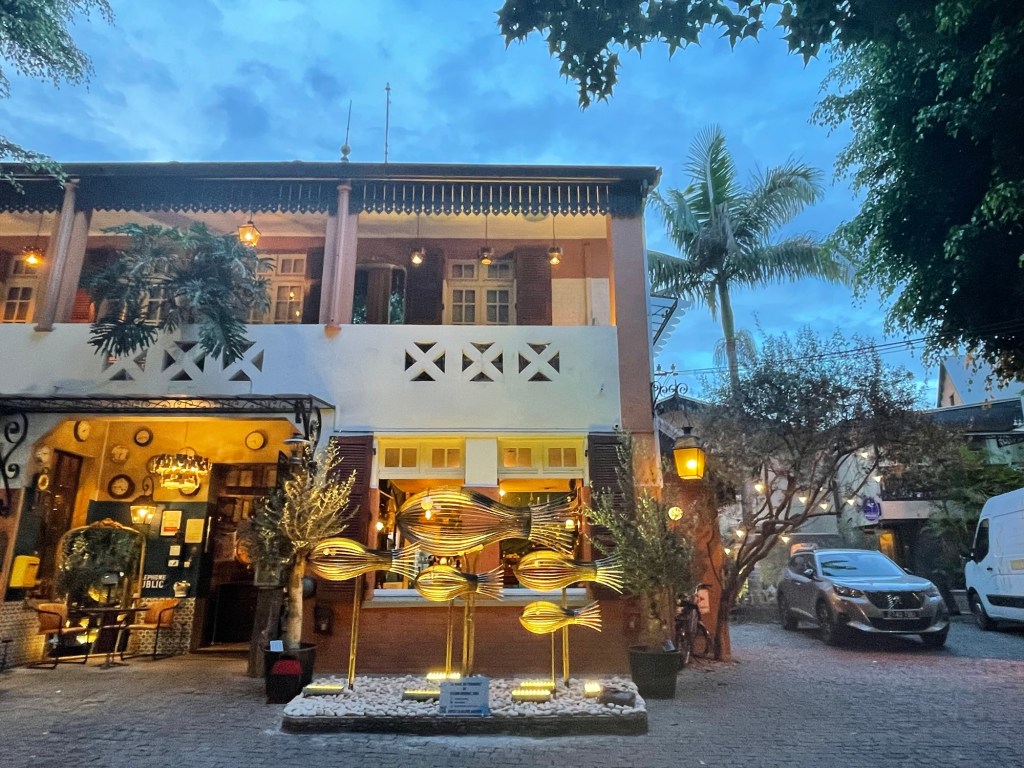
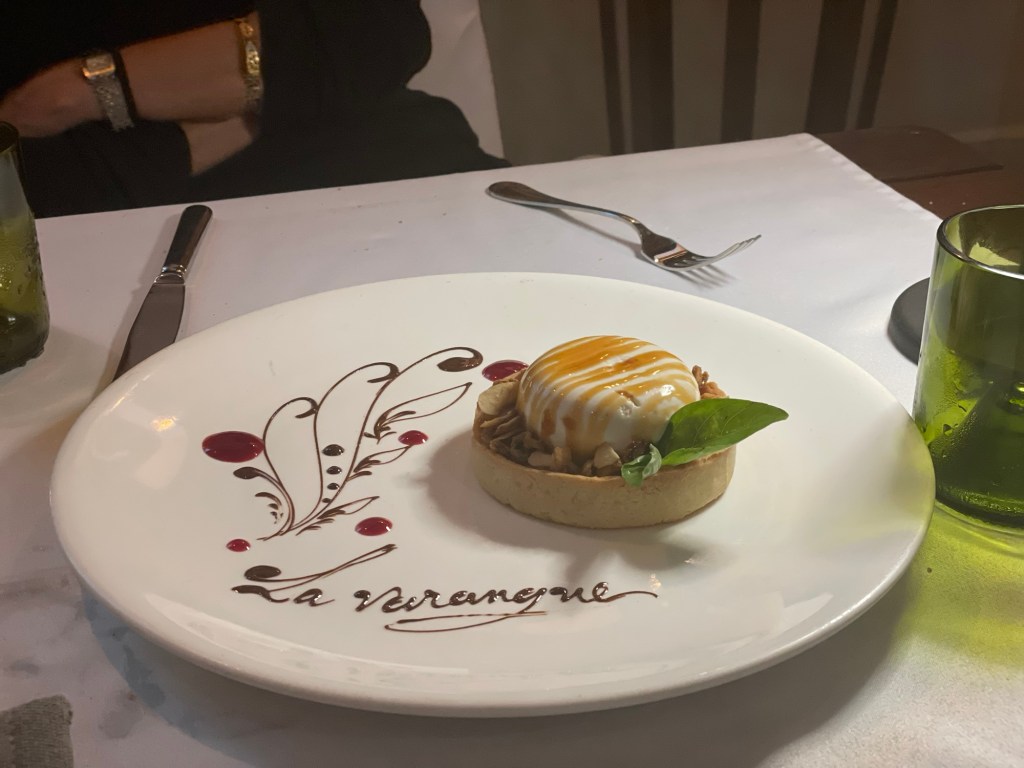
Despite the challenges, I can’t tell you how much I loved it there. Madagascar offers a charming blend of African, Indonesian and French cultures. This island nation, the fourth largest in the world, was actually explored and settled by intrepid Indonesian oarsmen before Africans. And while colonialism can’t be recommended, I can’t say I didn’t love the French fare at my hotel’s open air restaurant. The French ambassador and his wife and another couple dined next to me one evening.
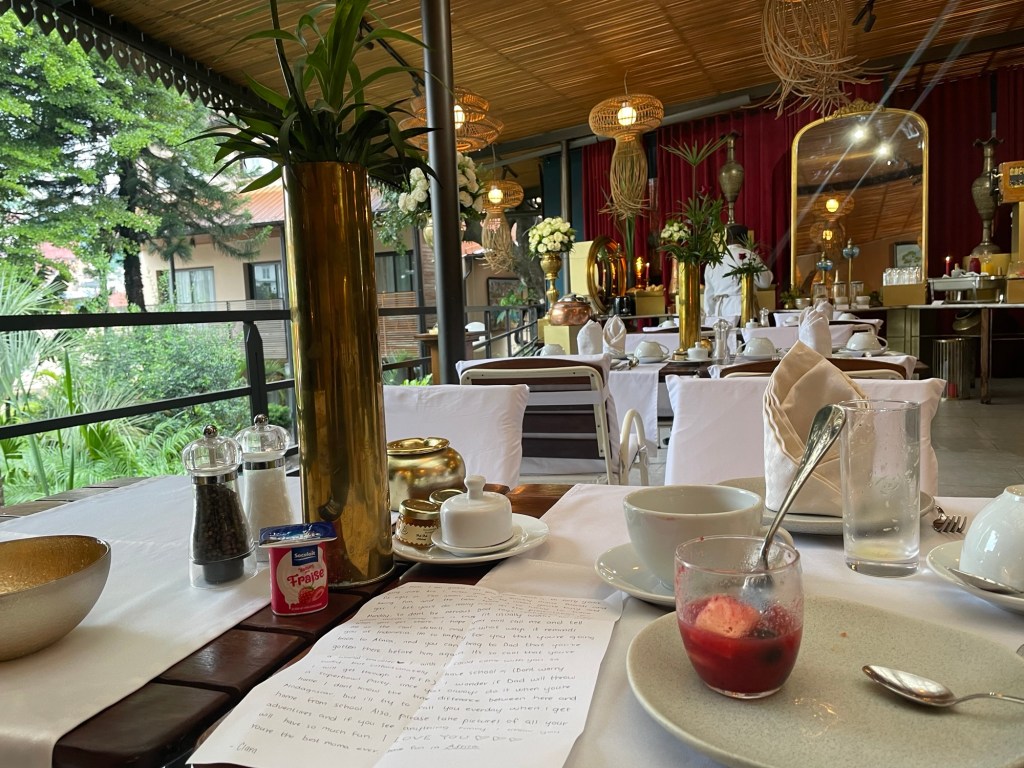

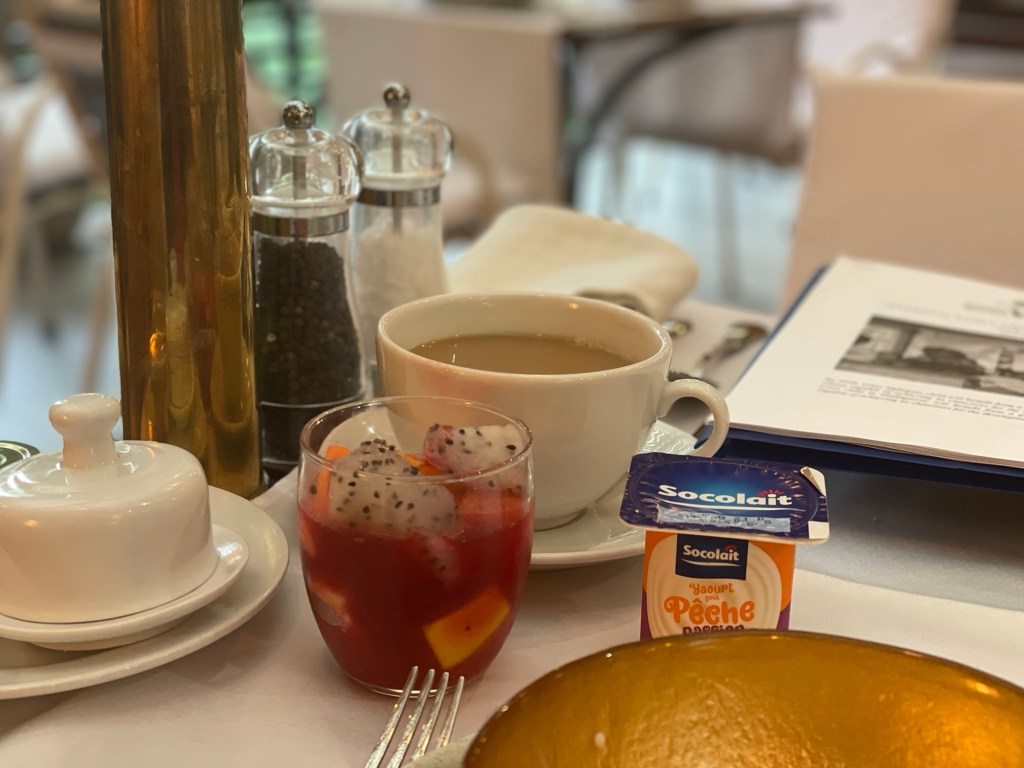
In the mornings, I’d start over with dragon fruit or papaya and passion fruit juice, and a café au lait, that made me feel right at home as well—I could practically hear our beloved Indonesian housekeeper Ibu Nengsih singing “selamat pagi” as she walked by, barefoot.
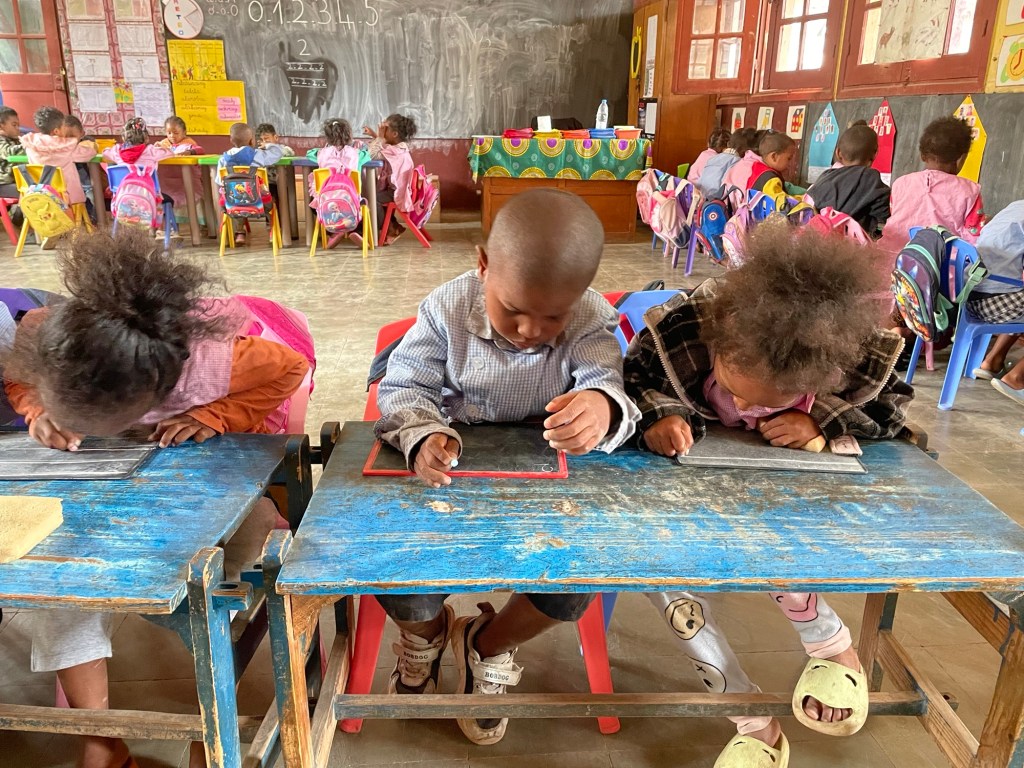
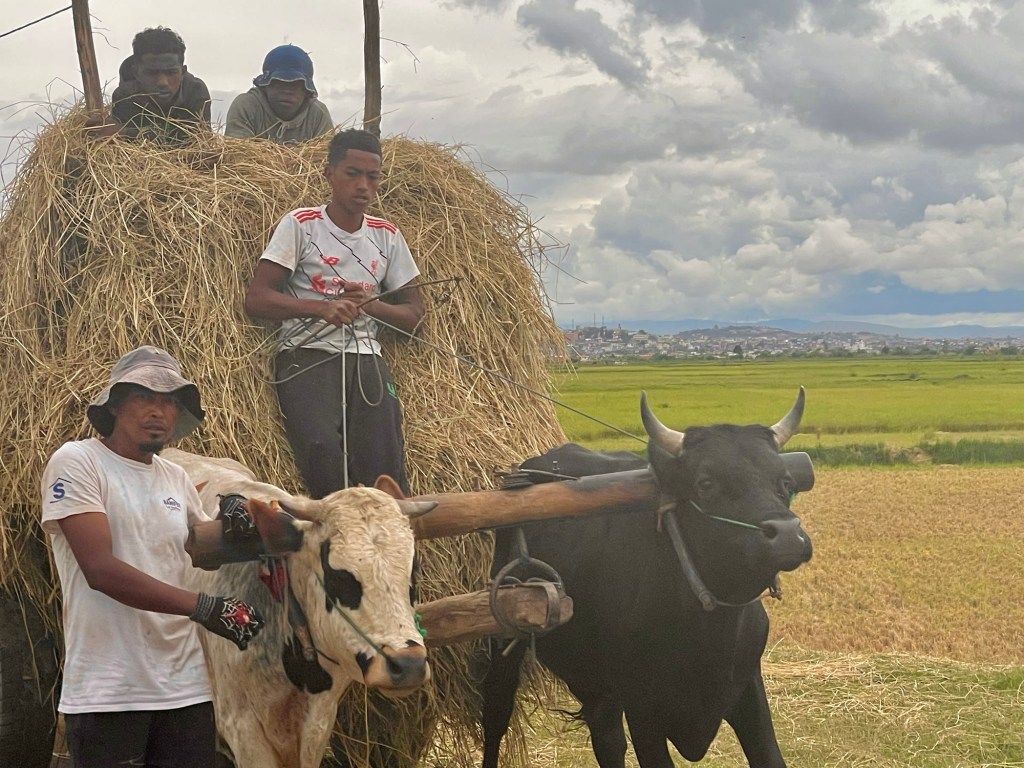
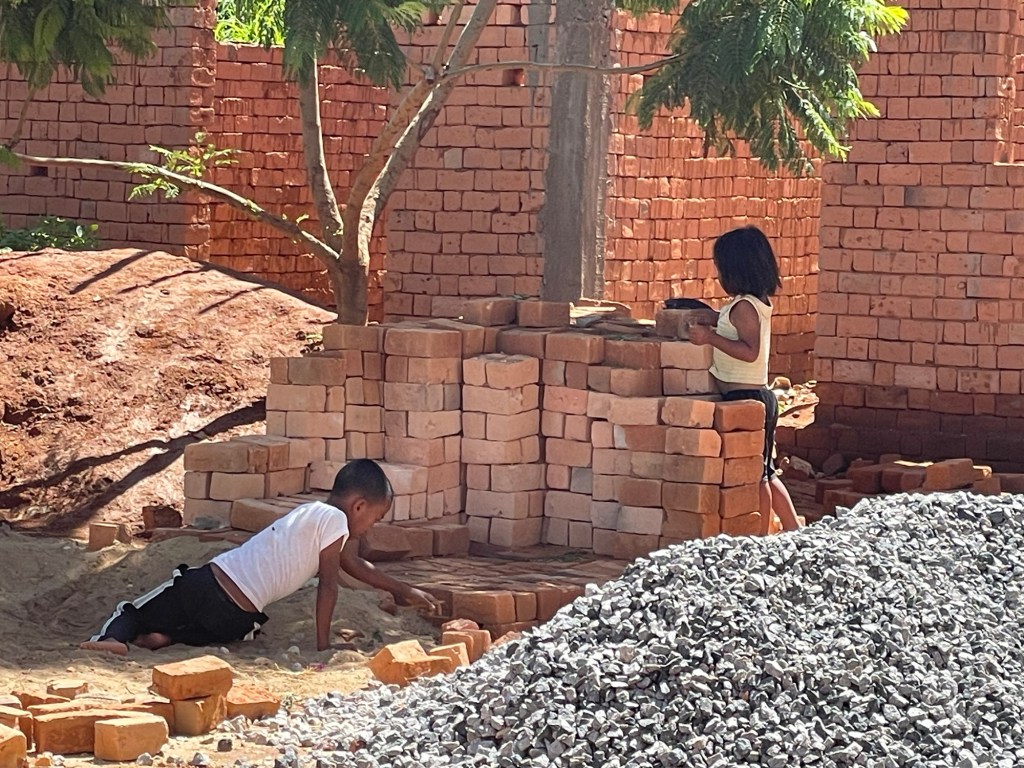
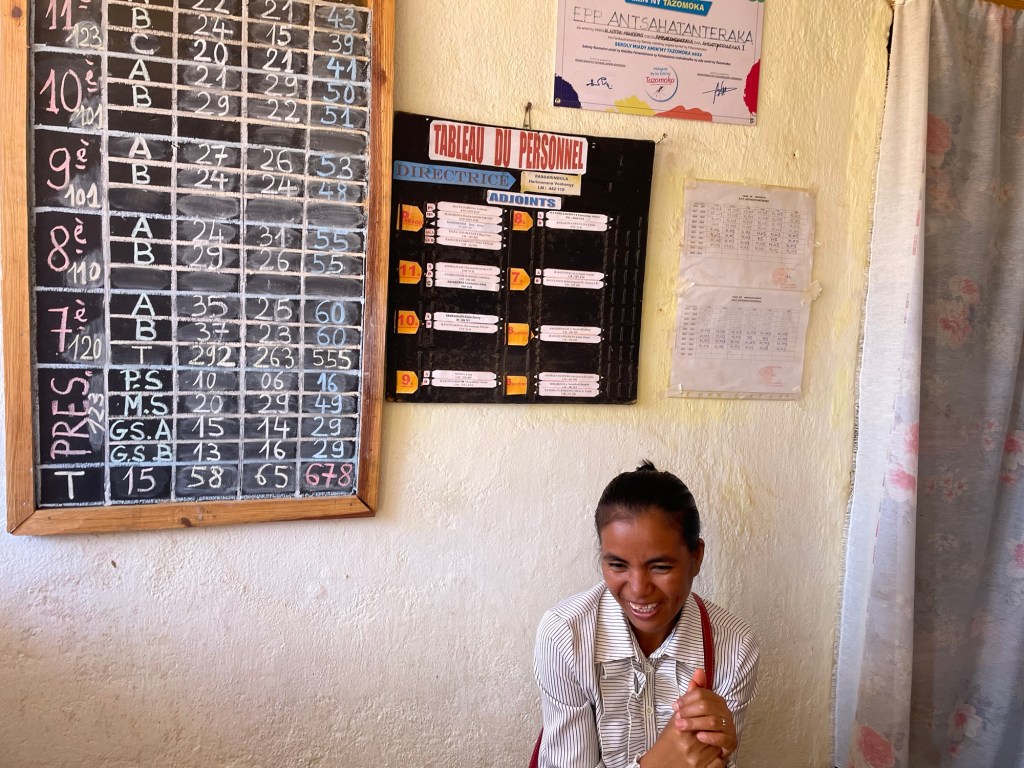
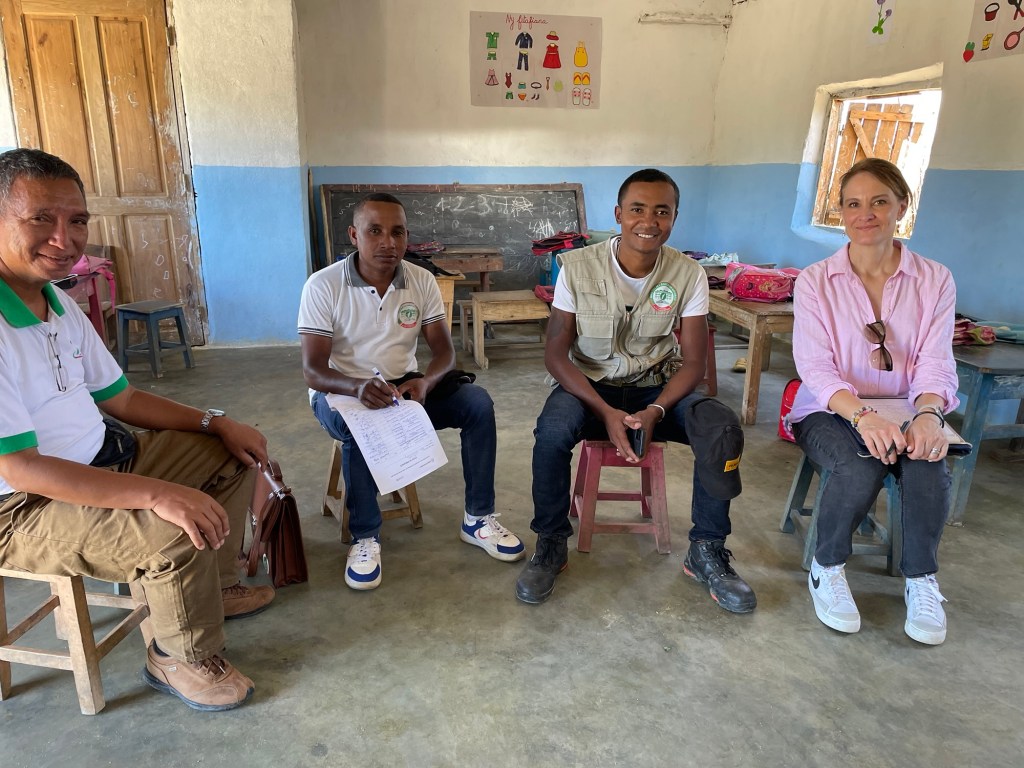
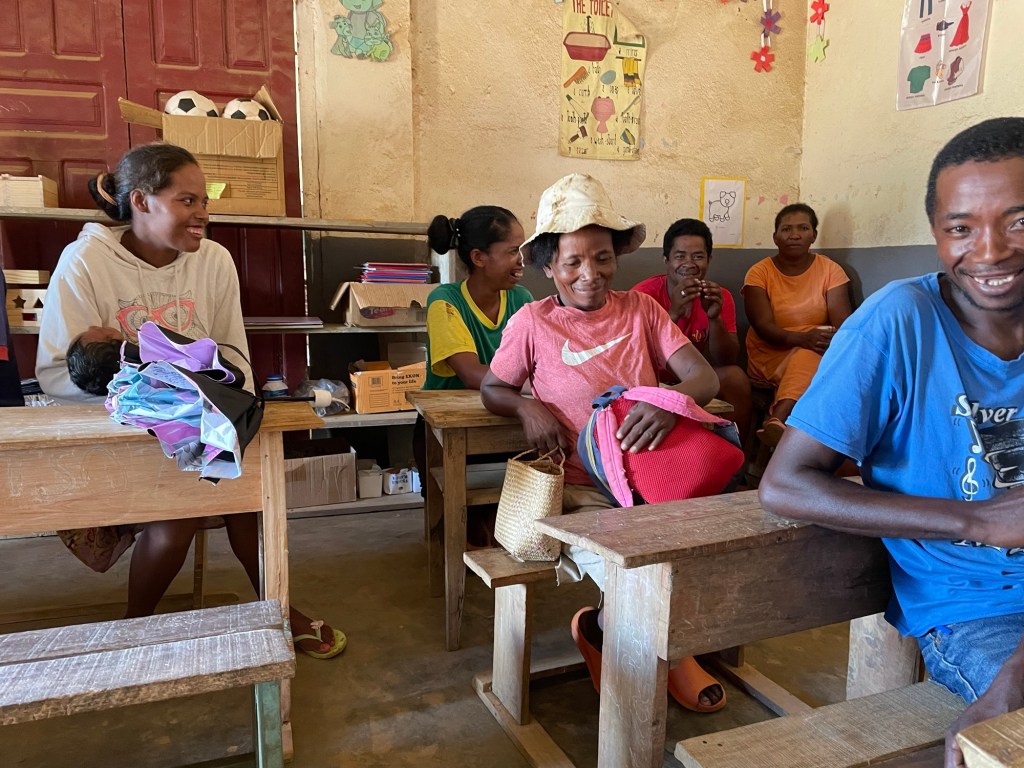
The field visits for work included extremely long days with meeting with teachers, principals, officials and parents, and of course visiting classrooms for children ages 3 through 5. Preschool teachers sometimes work for free or, in the best cases, earn perhaps $43-$73…a month. I think I paid that much for dinner one night. The parents I most wanted to meet were those we didn’t meet, because they can’t afford the 50-cent monthly fee required to send a child to preschool. Mostly, in the area we visited, the parents were charcoal farmers.
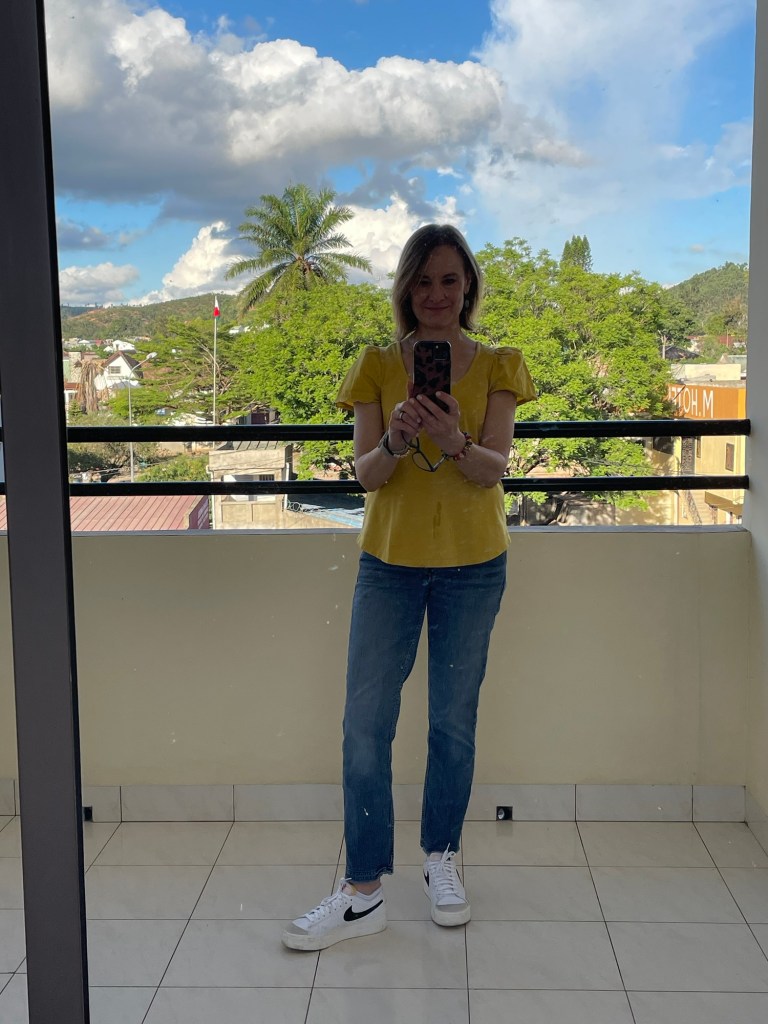
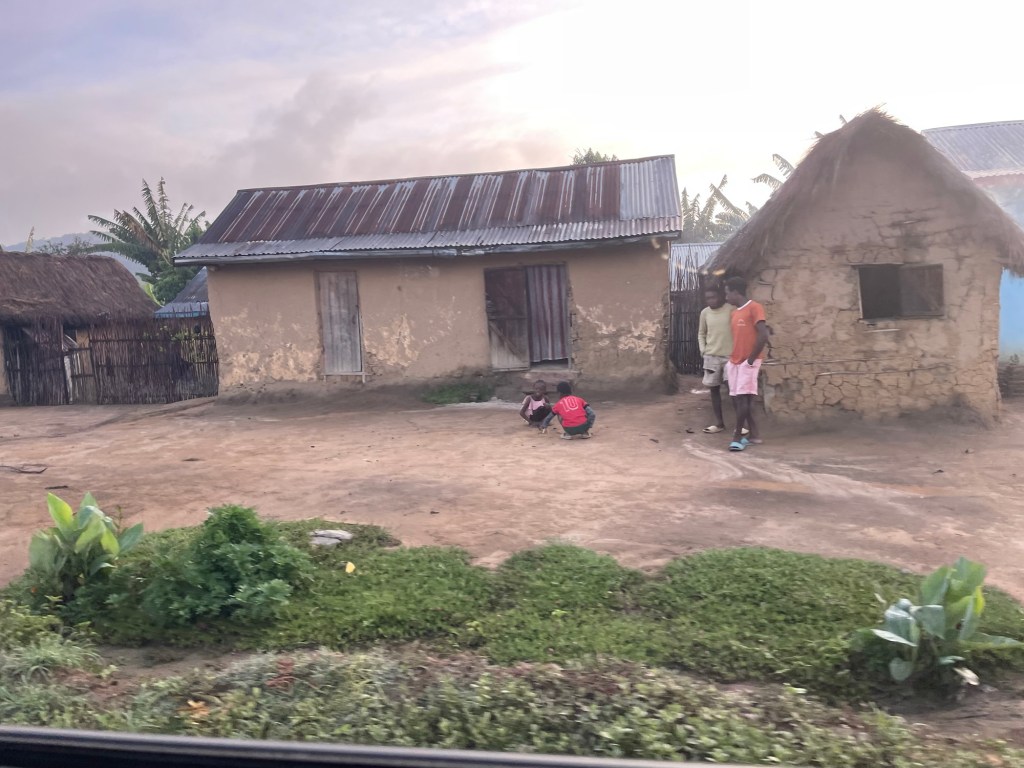
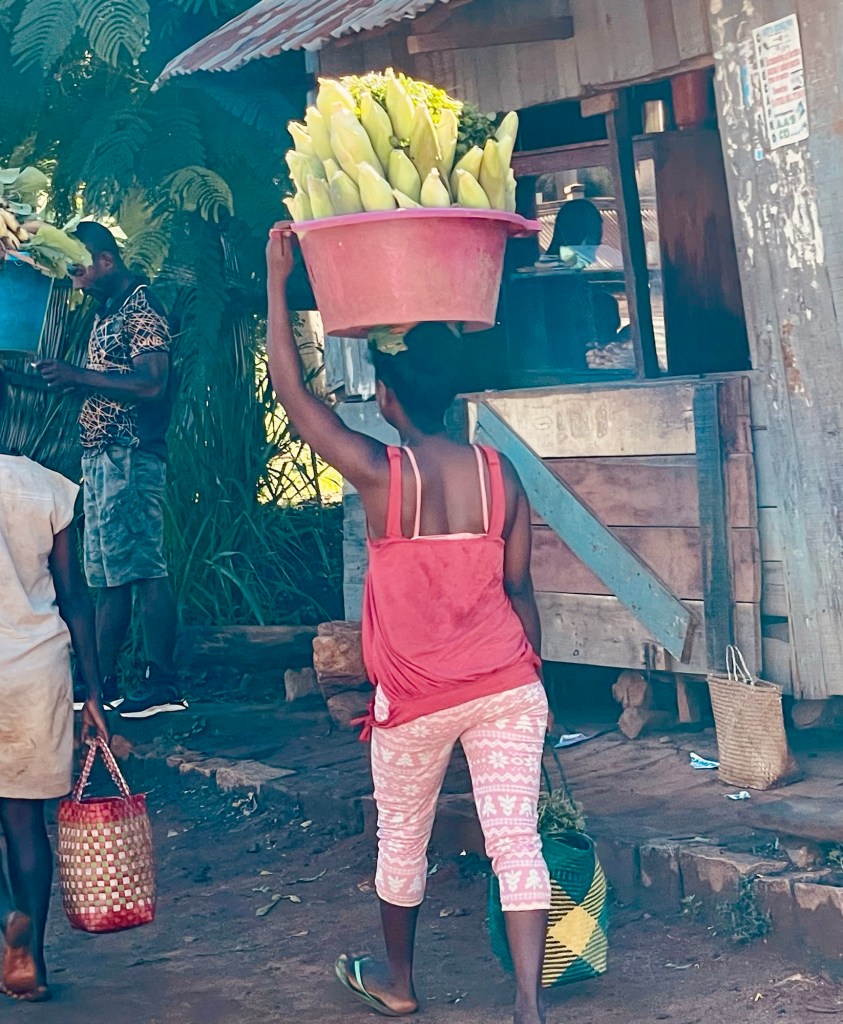
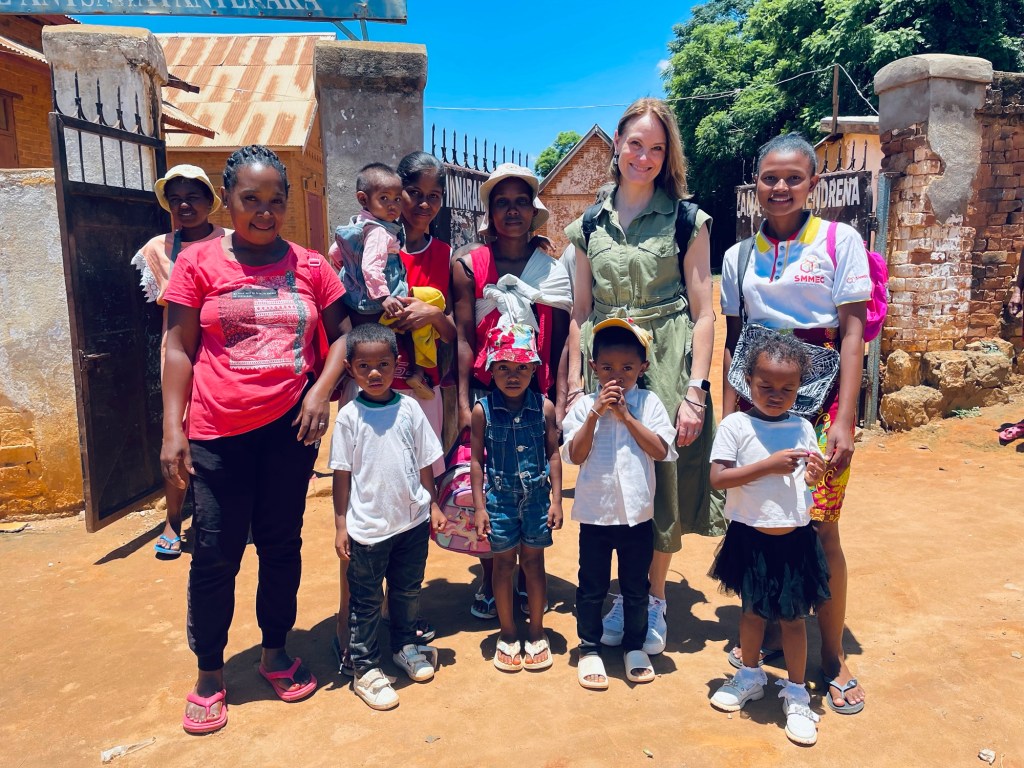
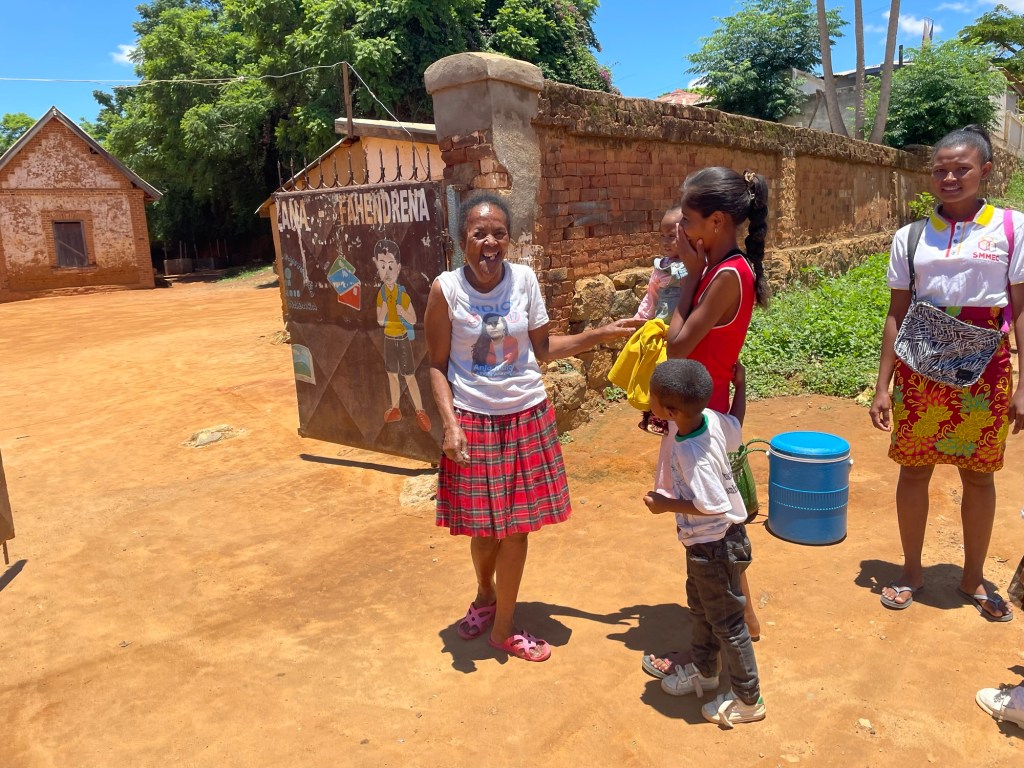
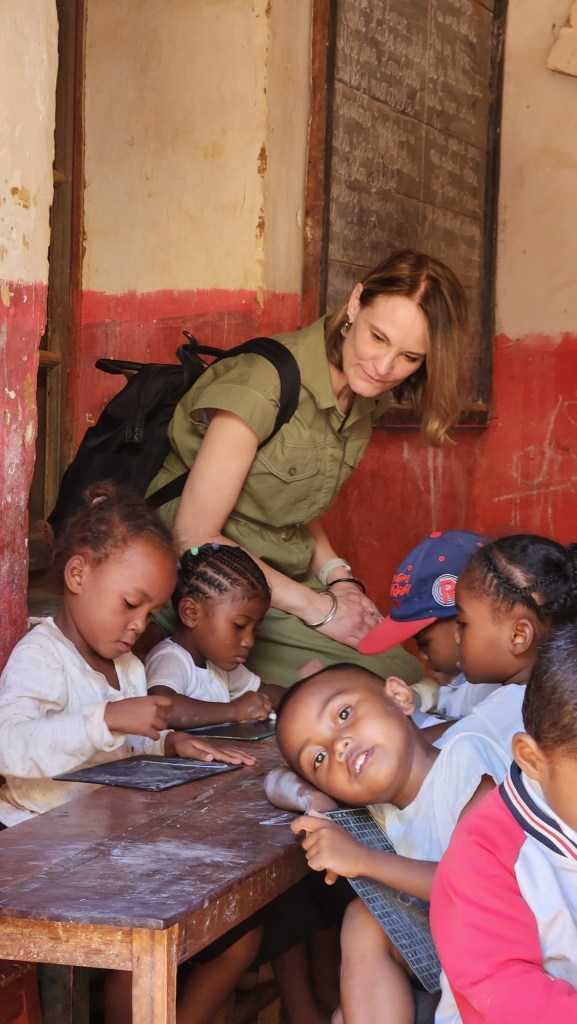
There’s something magical about Africa and whether that’s in spite of the poverty or because of it, I don’t know. People were warm, patient and welcoming. I needed all of that because my head was dizzy from meetings being held in three languages—French, English and mostly Malagasy—and I just couldn’t pull up French from my brain. Everything wanted to come out in Indonesian, which was not helpful.
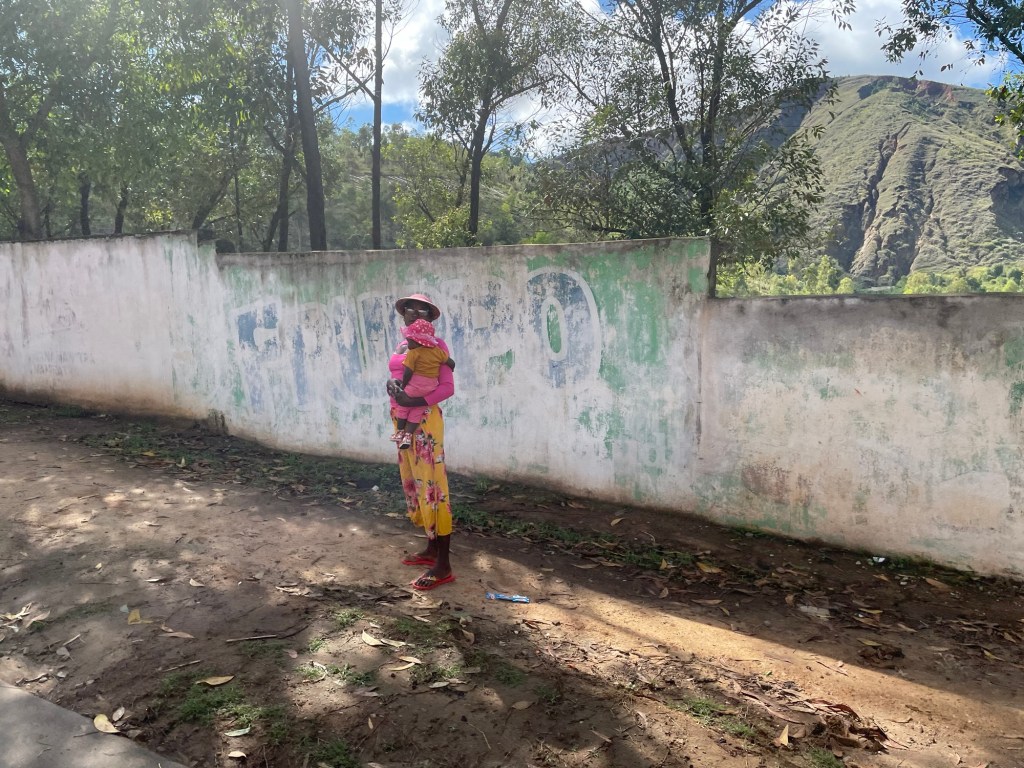
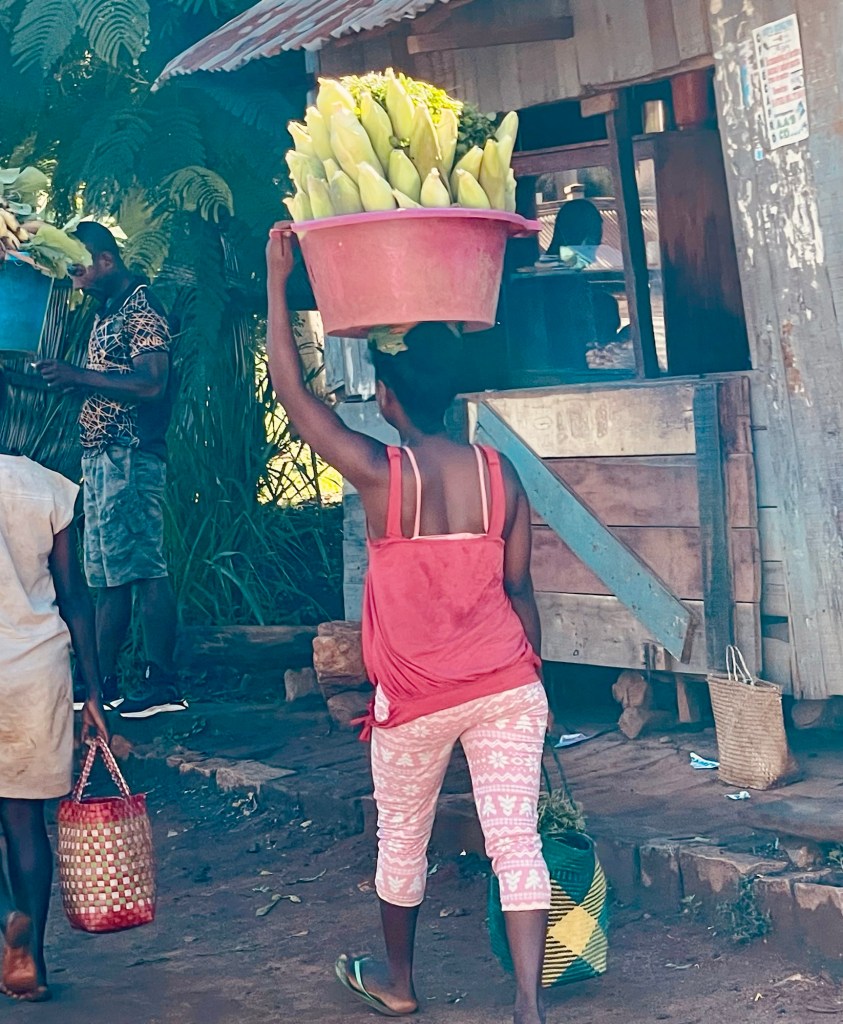
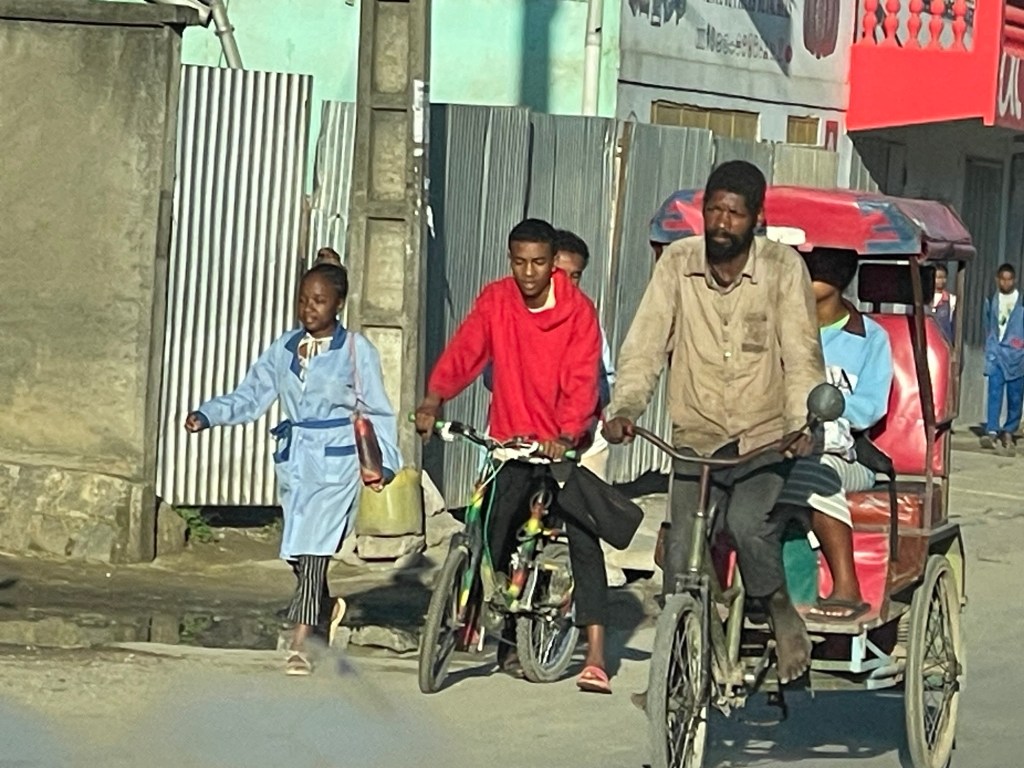
The mud, smiles, dusk-time drumming, smoke in the air, pounding rain, bare feet, babies wrapped on backs, sugar cane coca-colas, and scorching hot red dirt made me feel right at home. Next time I hope to see one of those fat-tailed lemurs for myself.
 @theterrace