Thanksgiving II

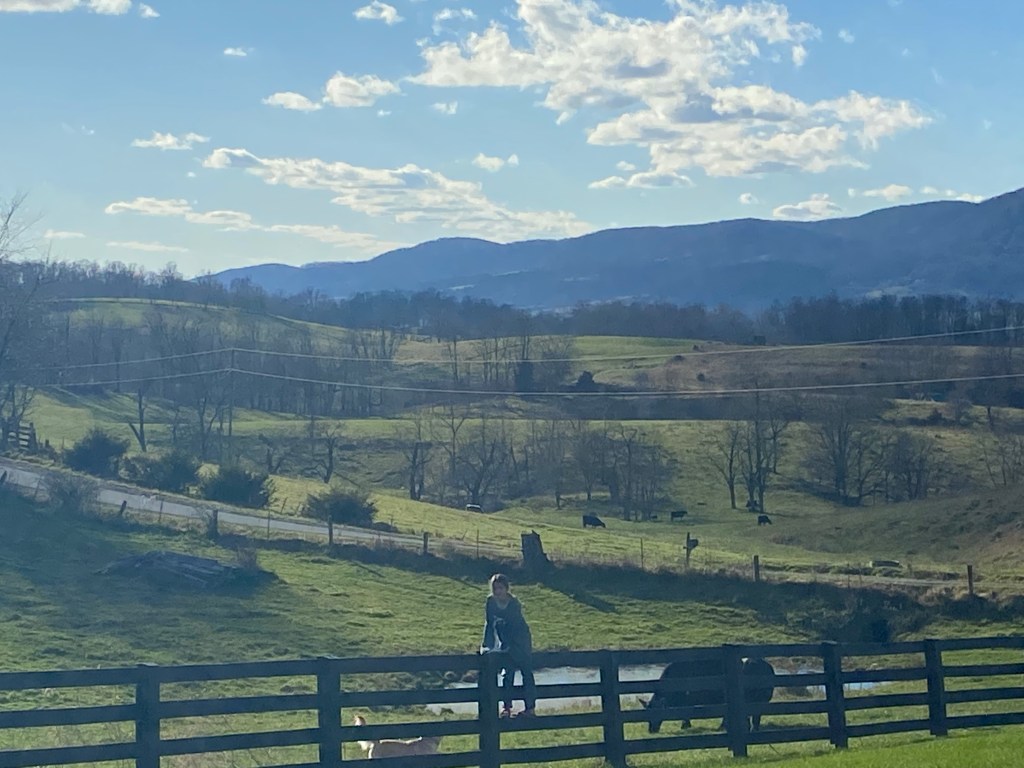
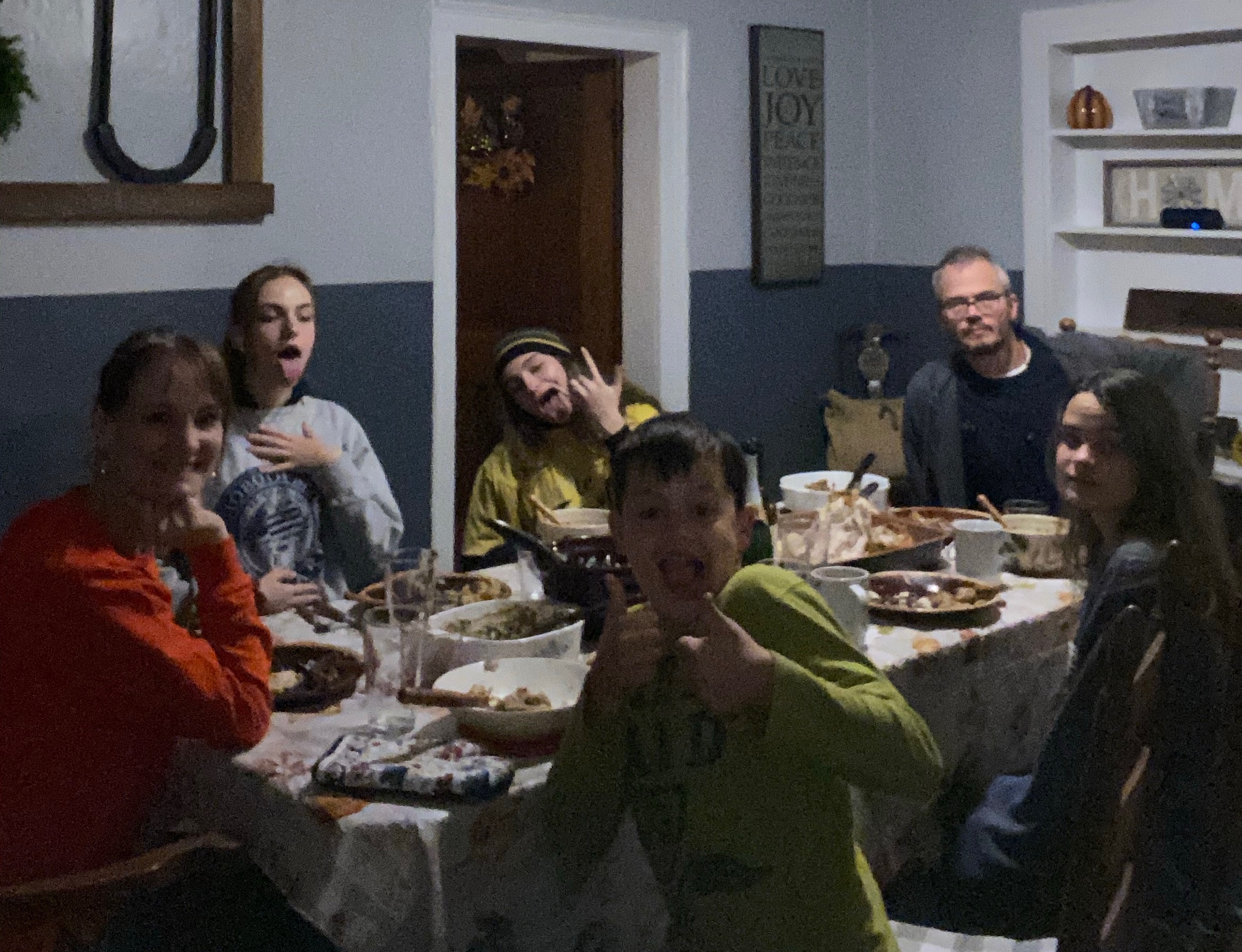
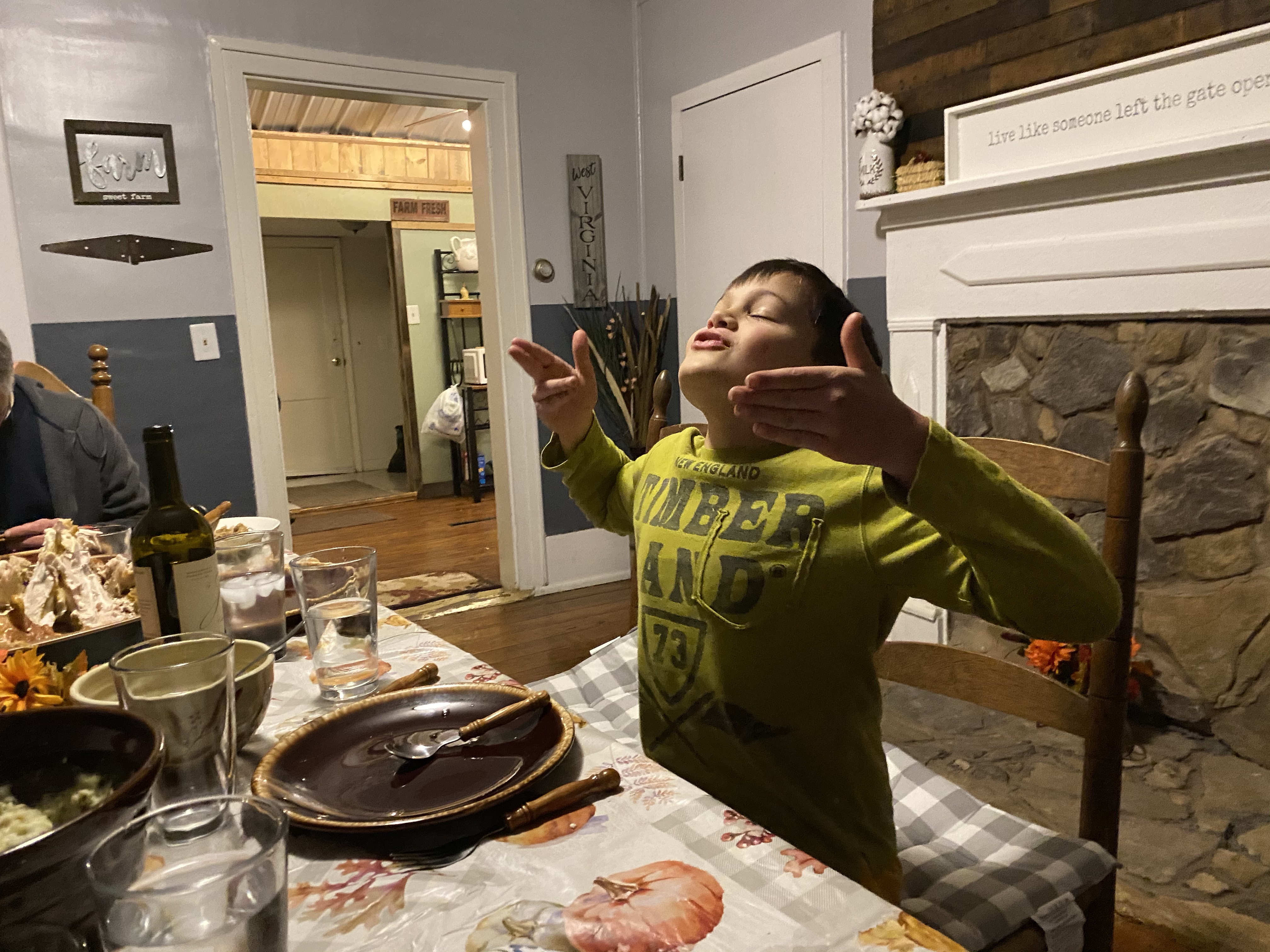
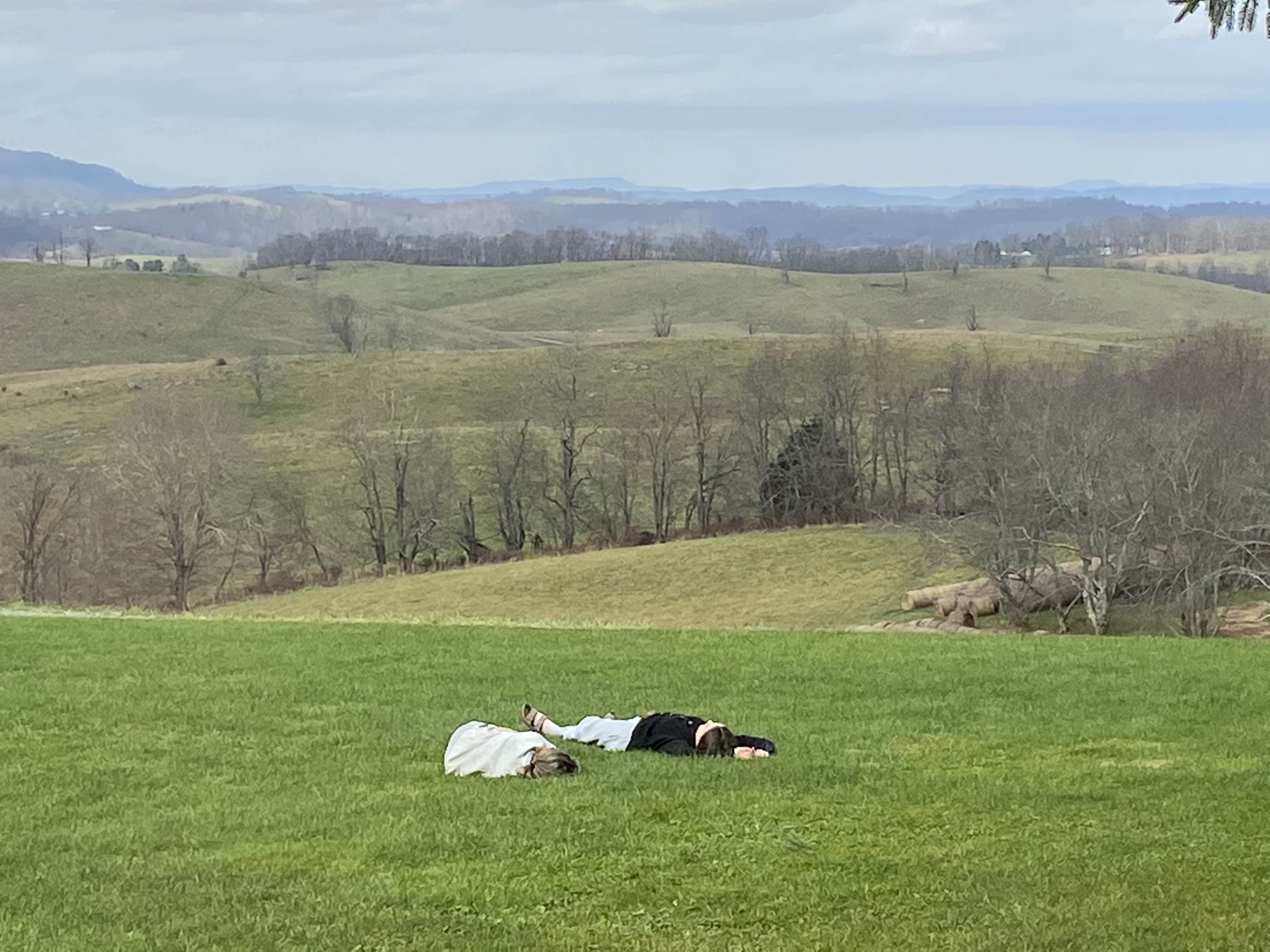
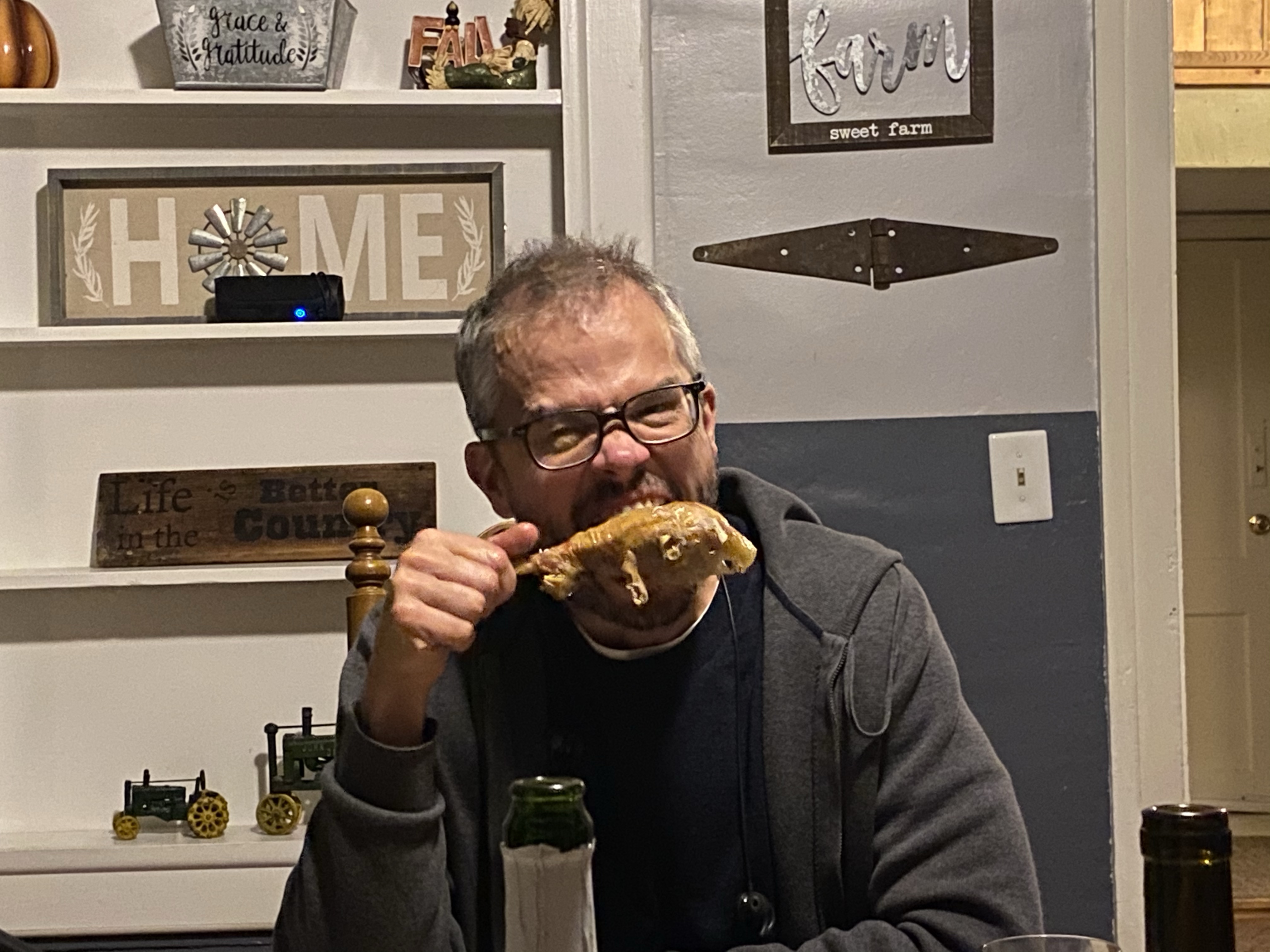
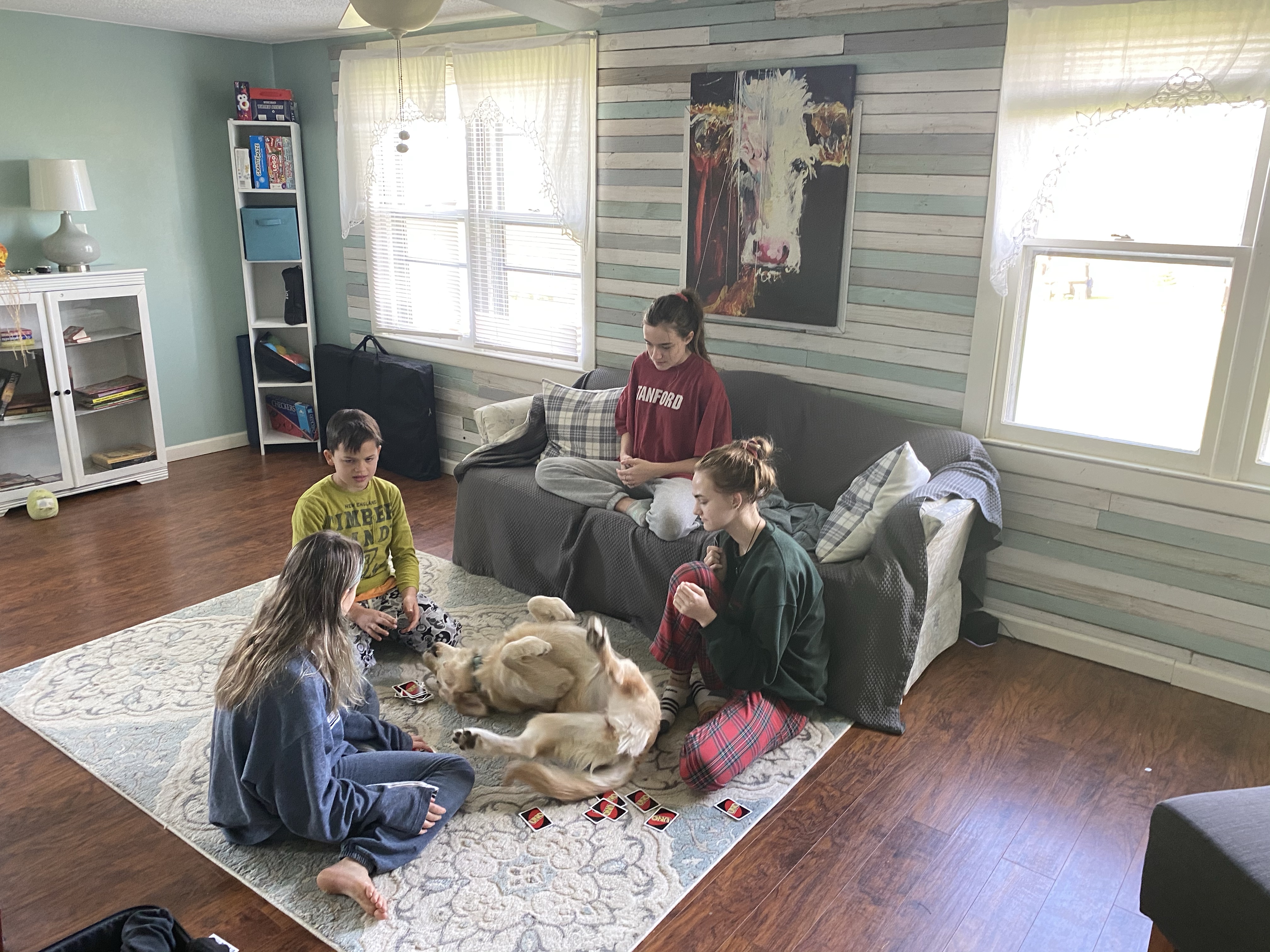
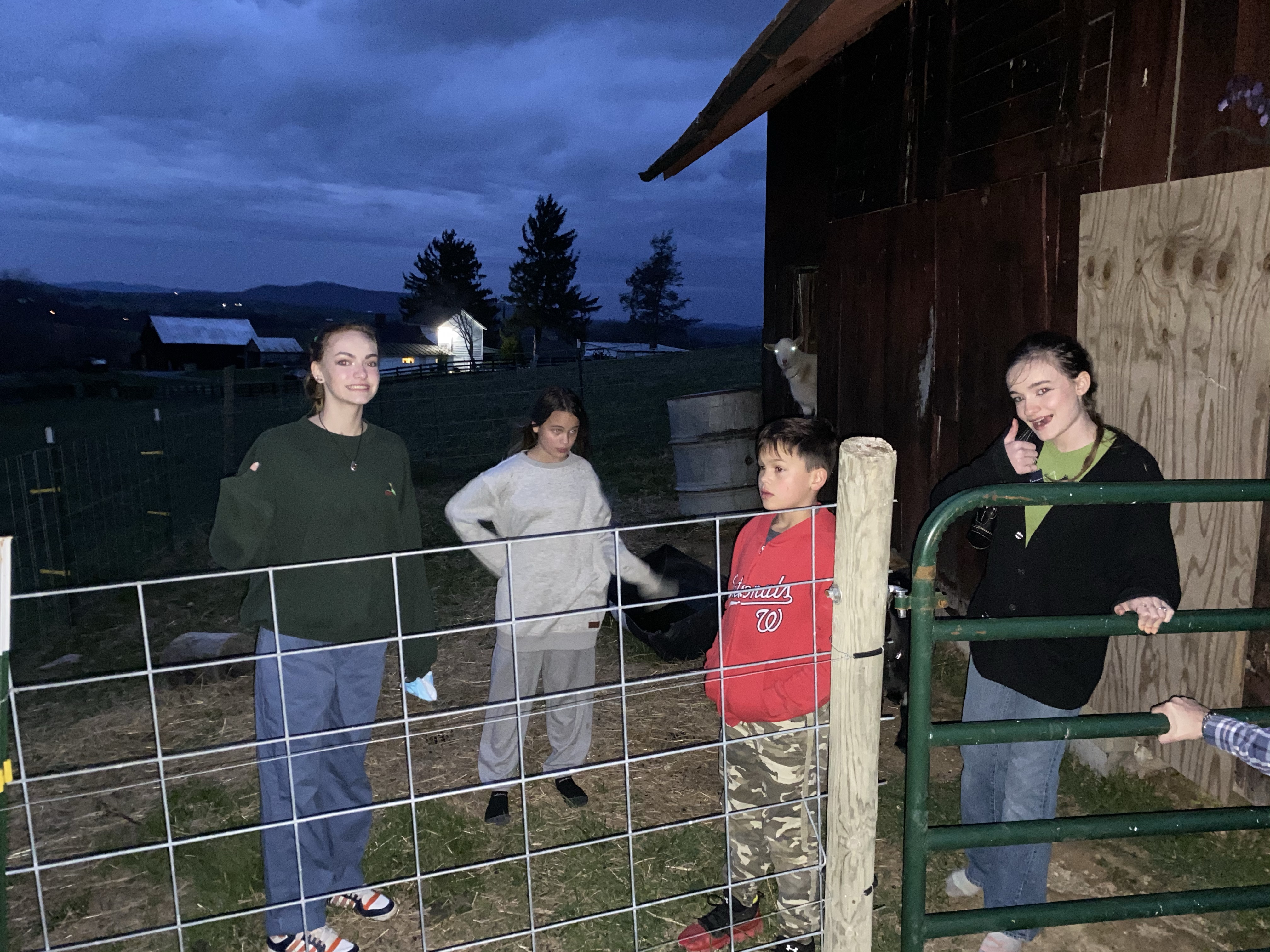
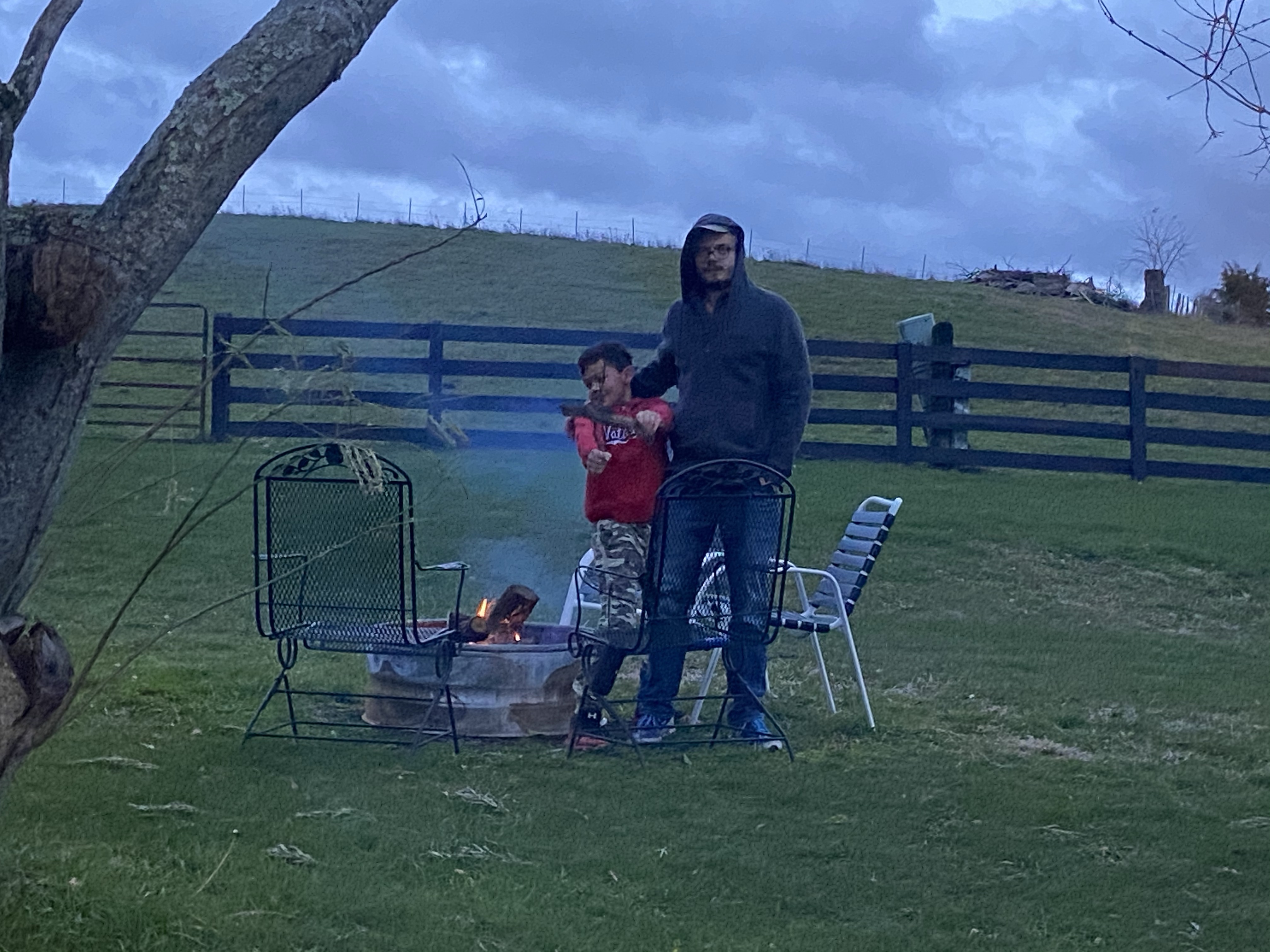
Happy Thanksgiving! Greetings from Sink’s Grove, West Virginia, where the moon shines bright and the bulls roam free. Kevin found a small farmhouse for us for a few days and it’s so nice to have a new view. From every window, we see nothing but rolling green hills, cows, puffy clouds and hay bales. We thought it would be cool to give our California skater girls a new experience, and they seem to be enchanted. (Not to mention that we needed a break too.)

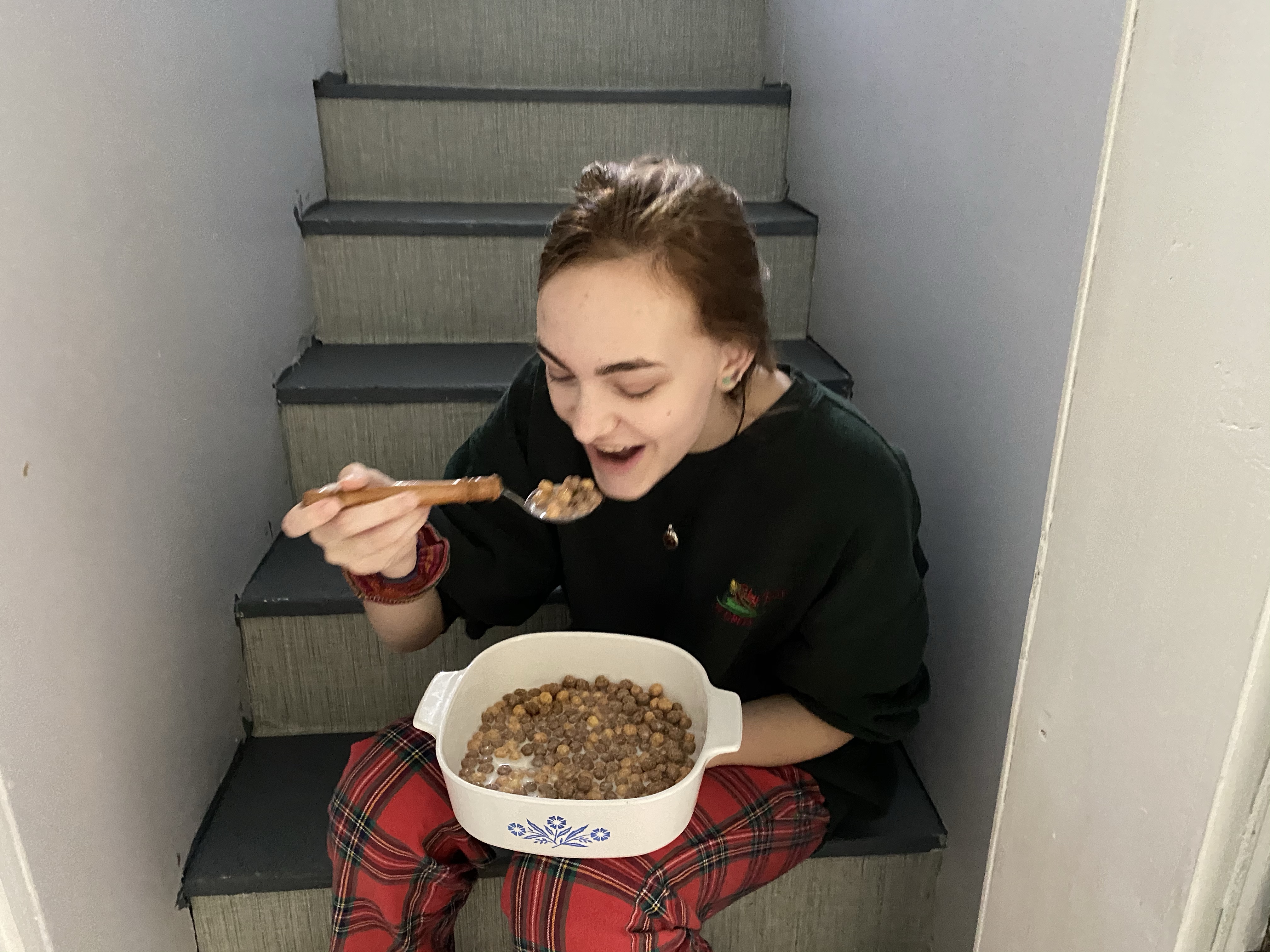
Or maybe it’s the fact that they’re sans parents and can sleep with their phones and eat Reese’s Pieces cereal from a casserole dish for breakfast.

It’s interesting meeting people with totally different lifestyles. Amy and Bob, who own this farmhouse, work as an RN and for the Caterpillar company and they run this small working farm. Amy is 45 and has two grandchildren, the older of whom (age 7) just killed his first deer this week. It’s like taking the blinders off and looking at the panorama to remember how differently people can construct happy lives.

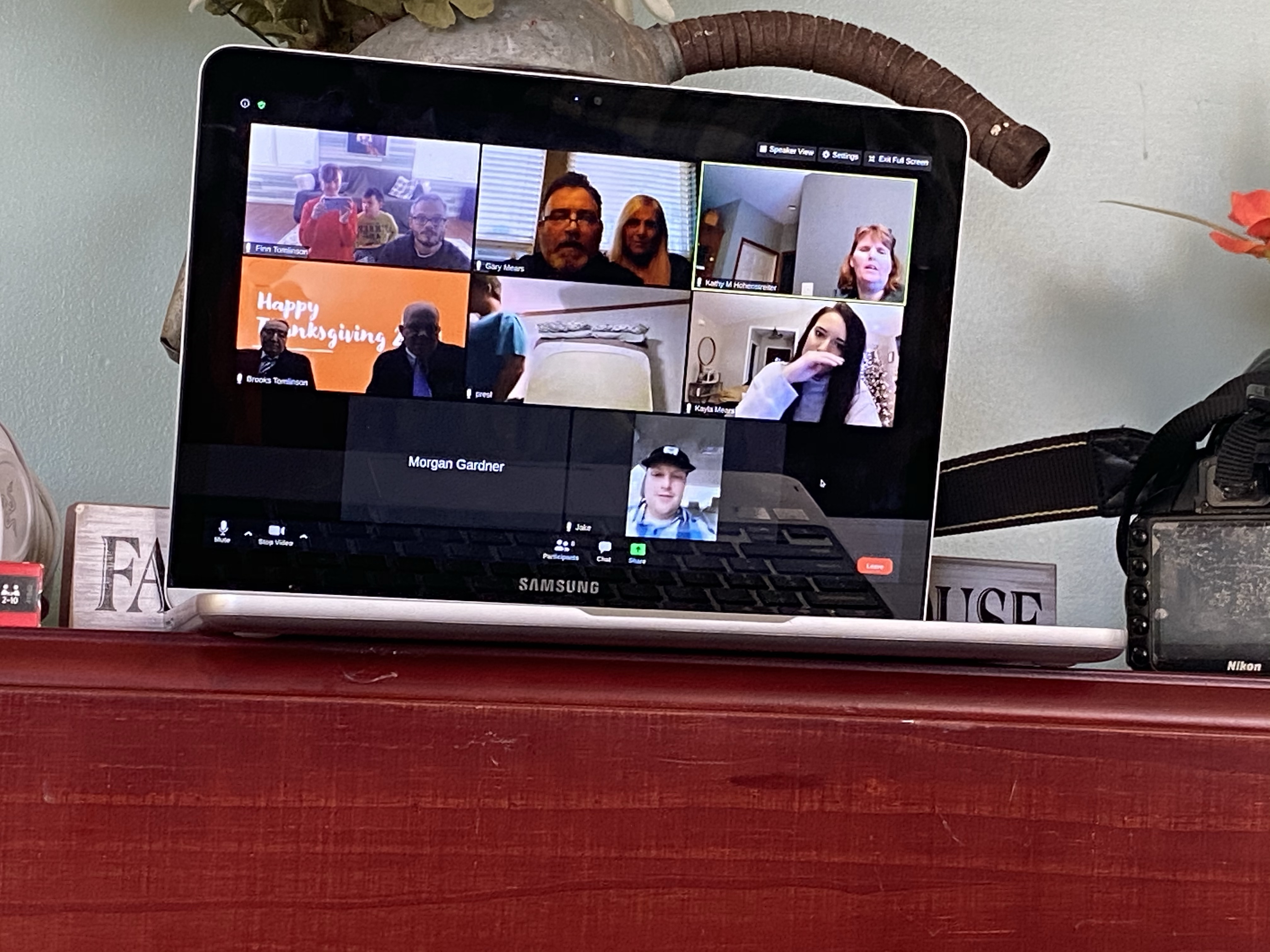
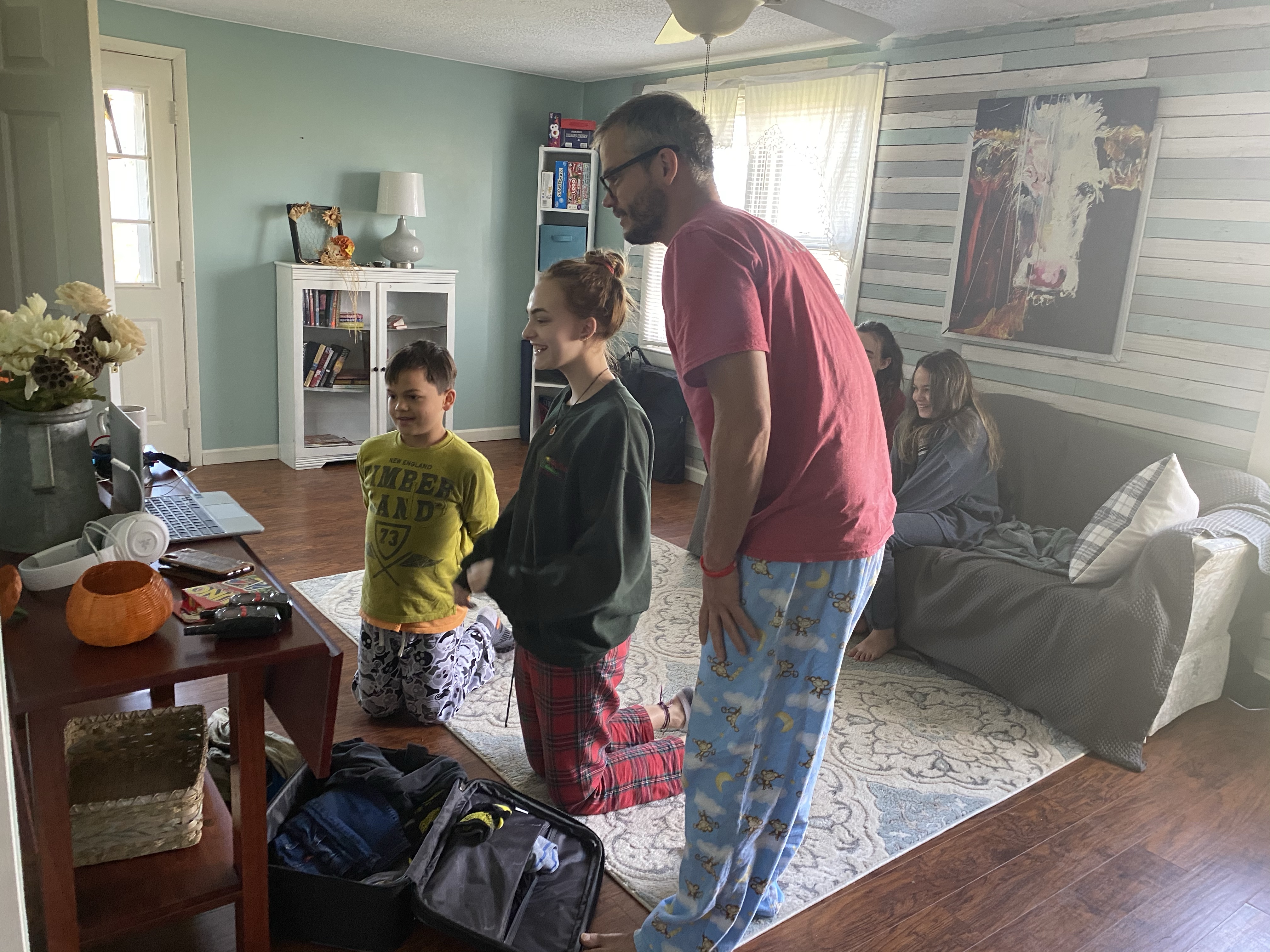
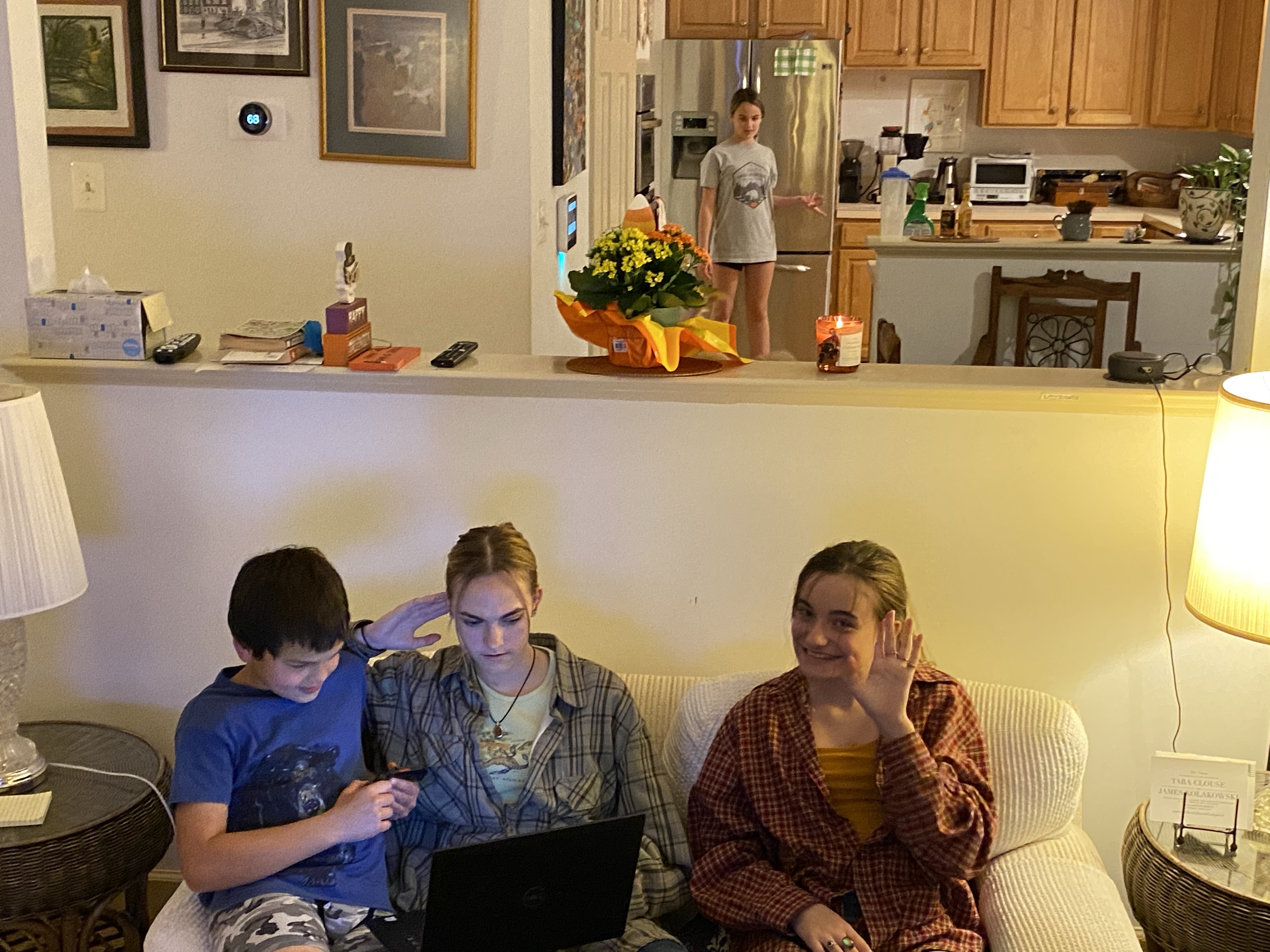
It’s hard being separated from family on these holidays and the internet is spotty, but we did get to zoom with Tatum briefly and with Kevin’s family. Last year for Thanksgiving we were in Seymour. How quaint and decadent that family visit now seems!

Yesterday Kevin told Finn to go pet the pretty cow standing in the field. When Finn hesitated, taking in the side of the mammoth black beast, Kevin told him from behind the nice fence to toughen up. It turns out that pretty cow was a bull. Well, every day is an adventure in Wild West Virginia.

It was a Dark and Stormy Night

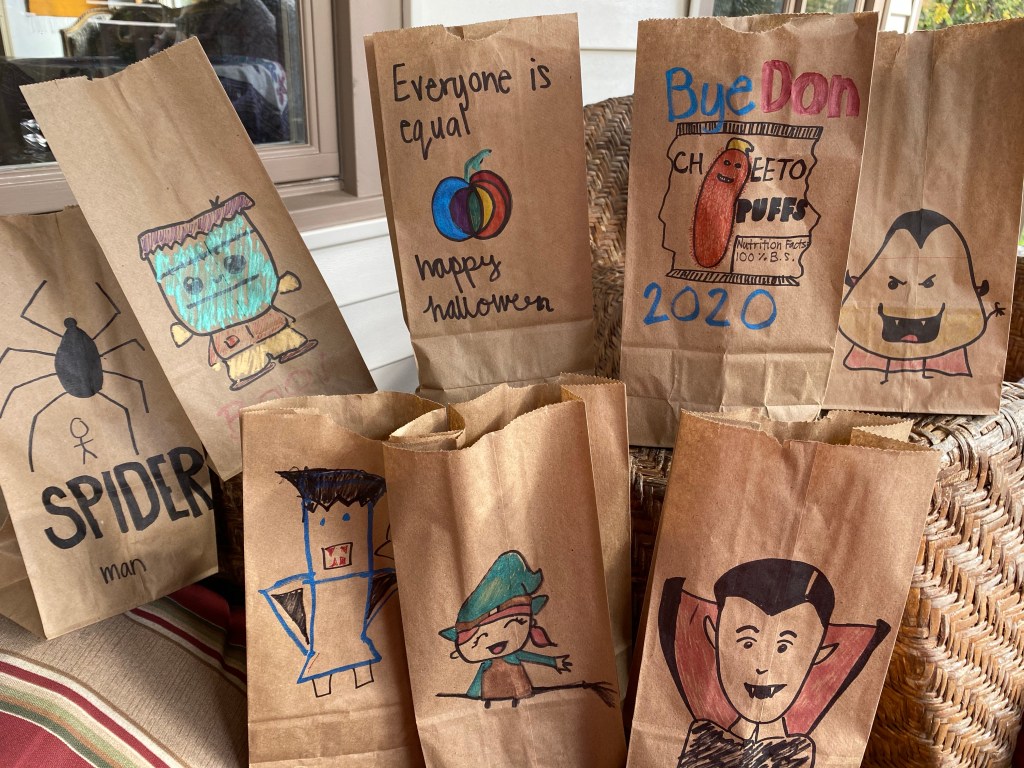
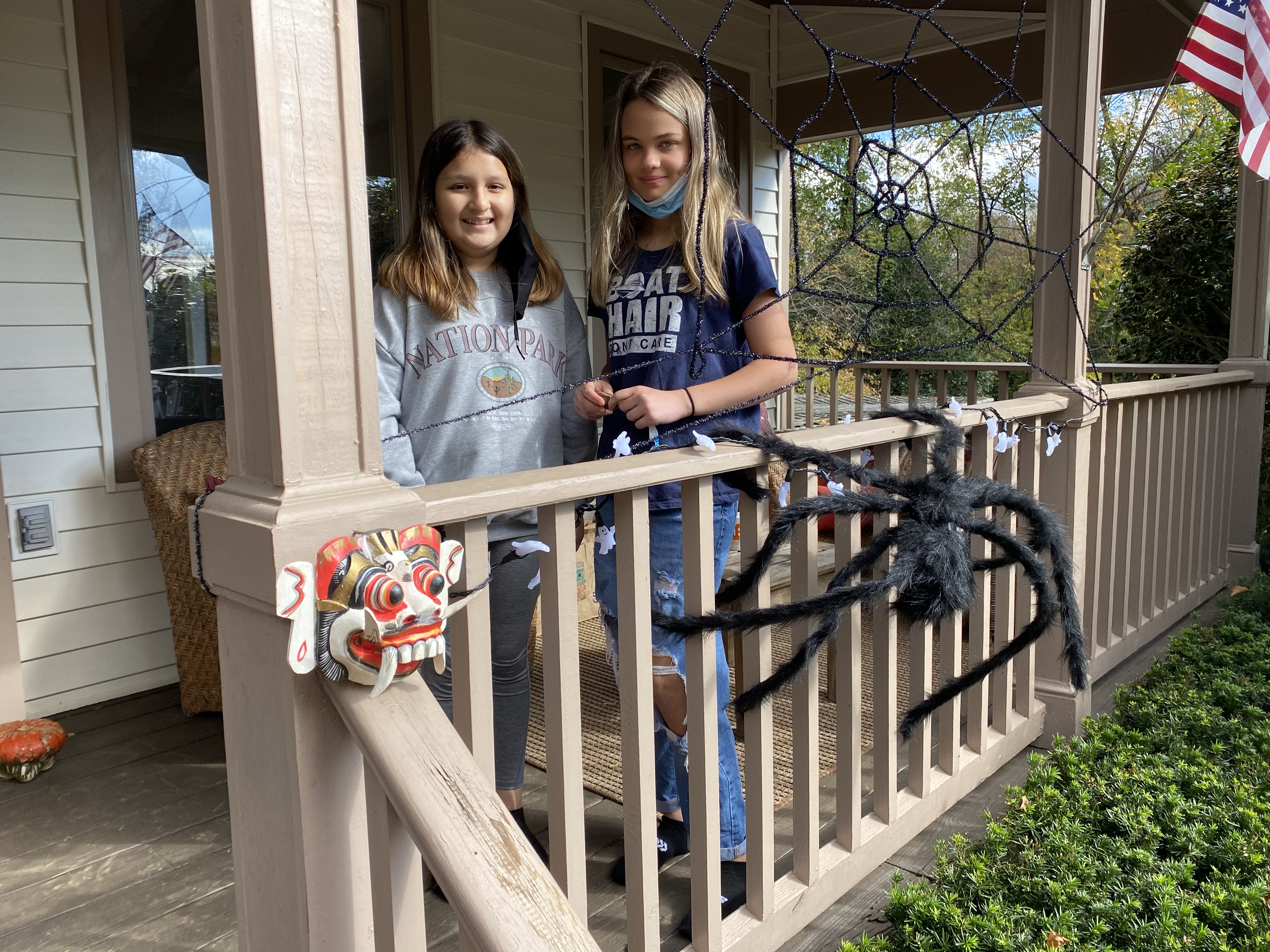
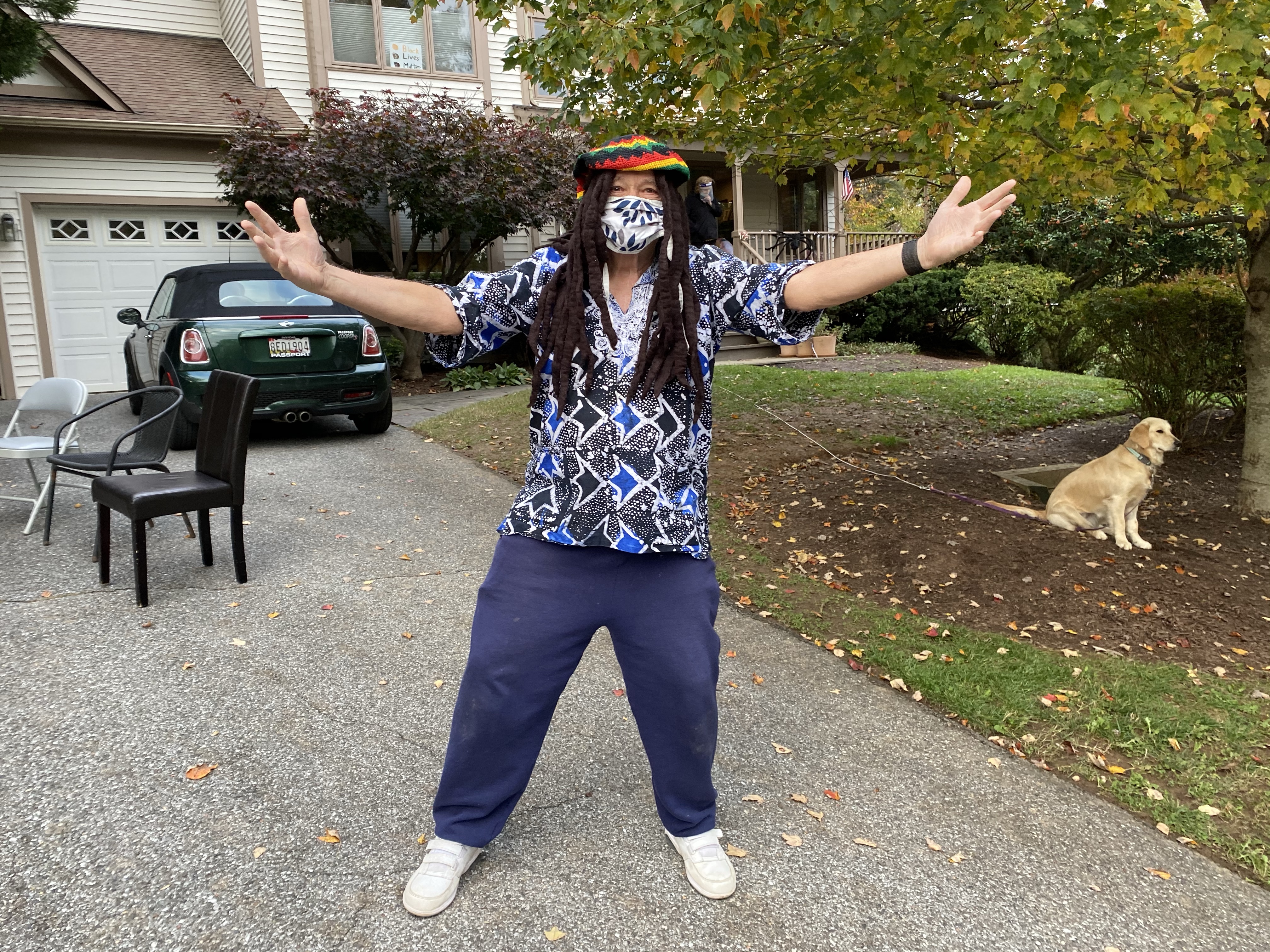
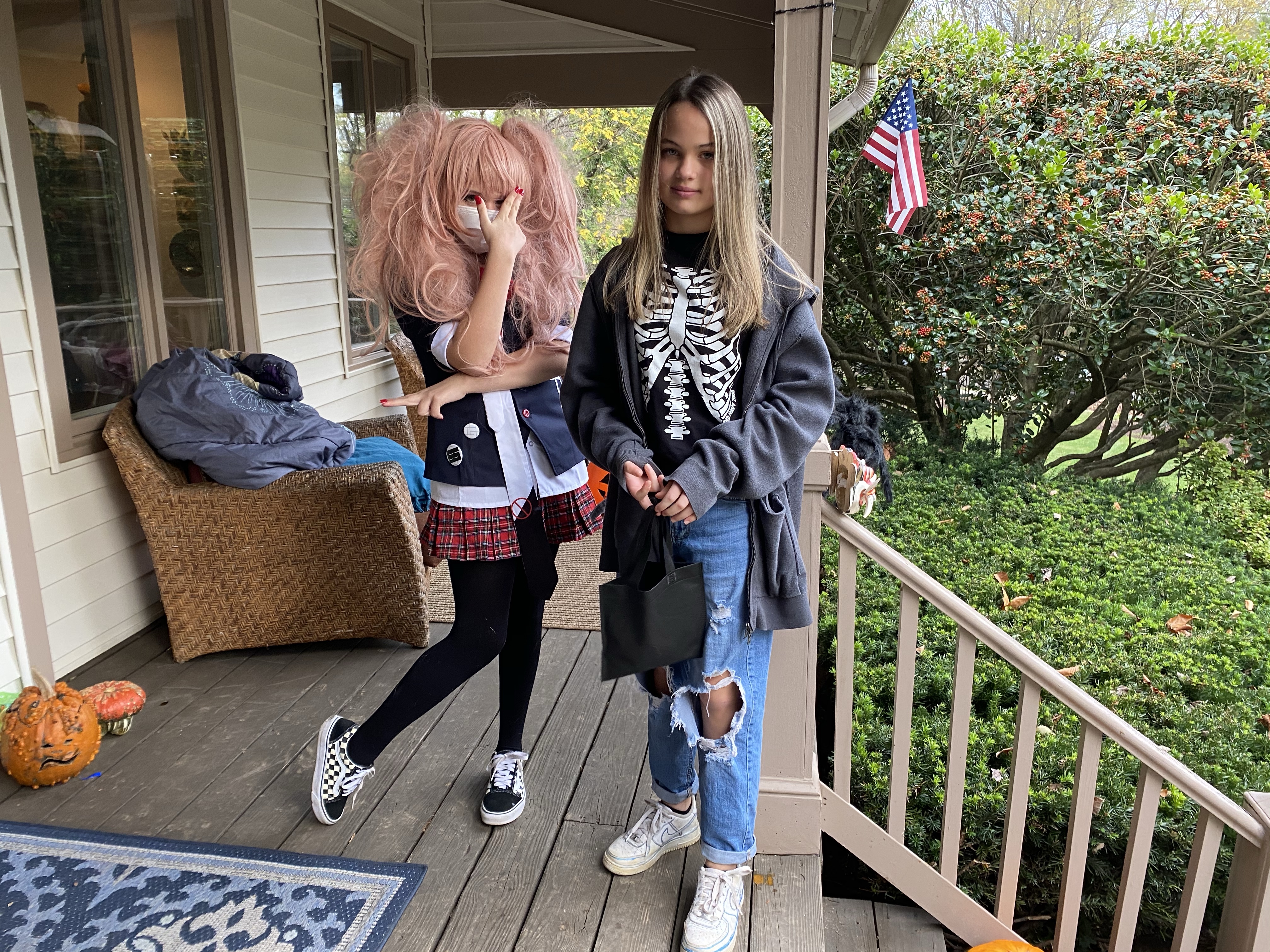
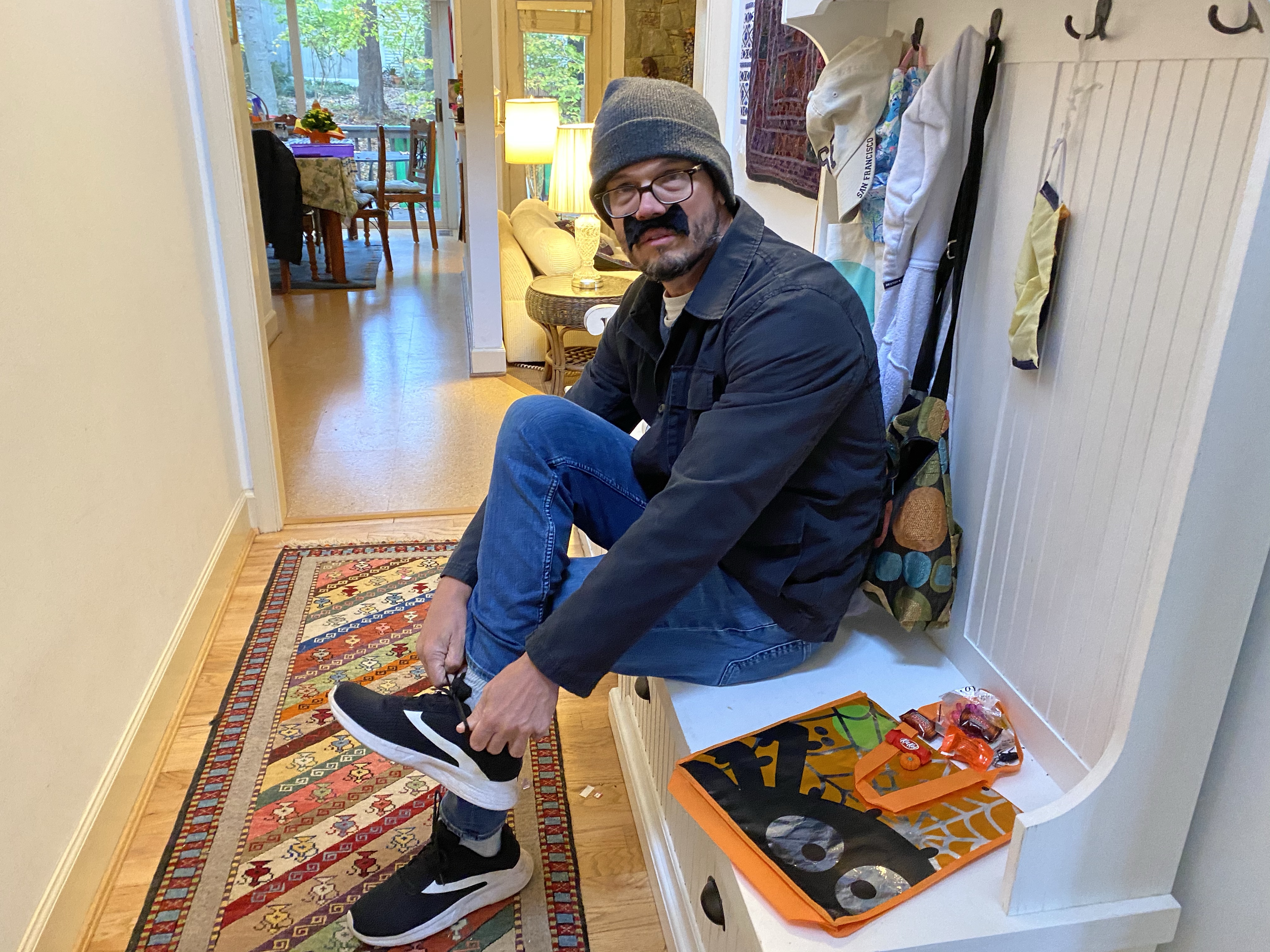
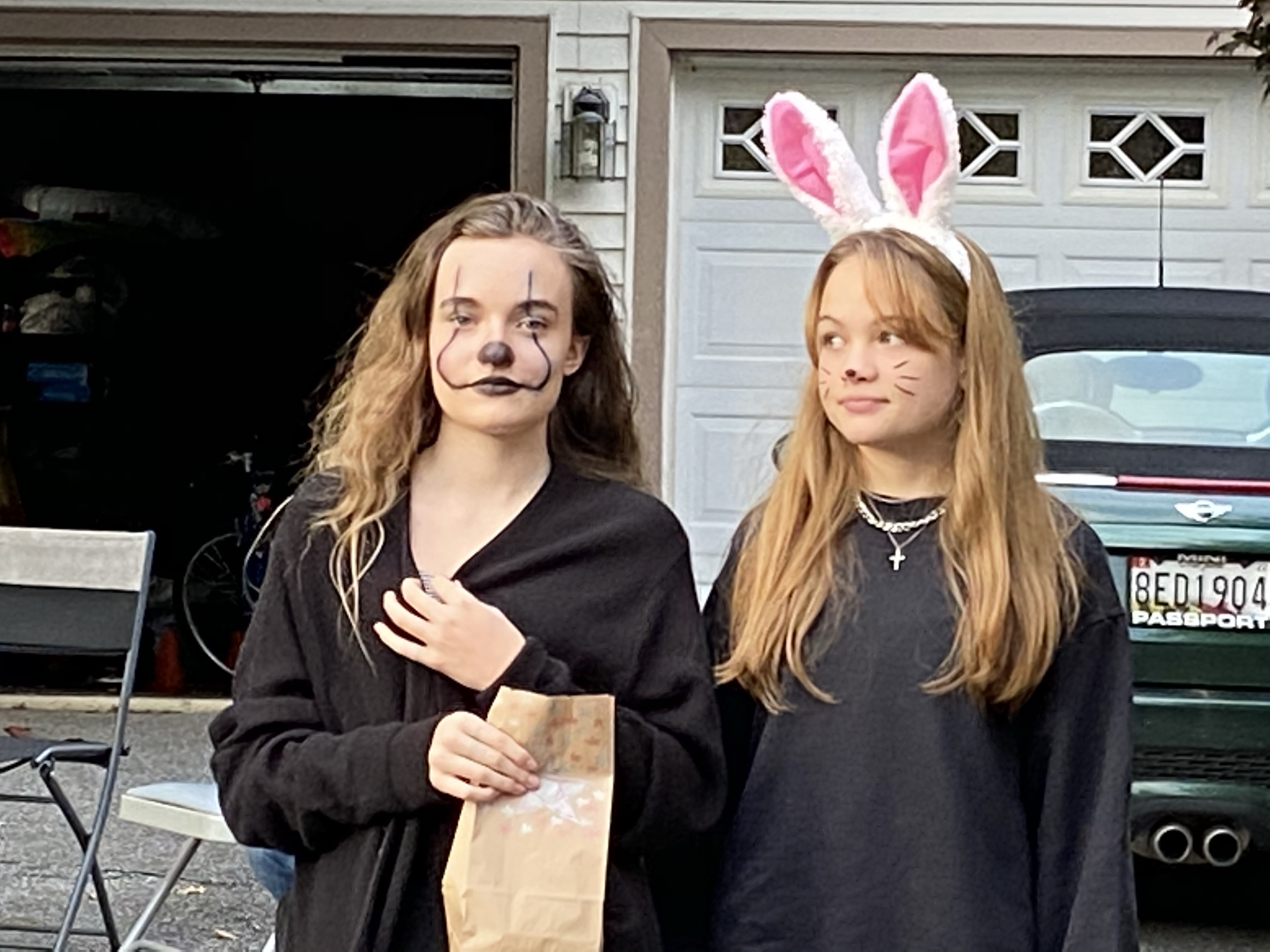
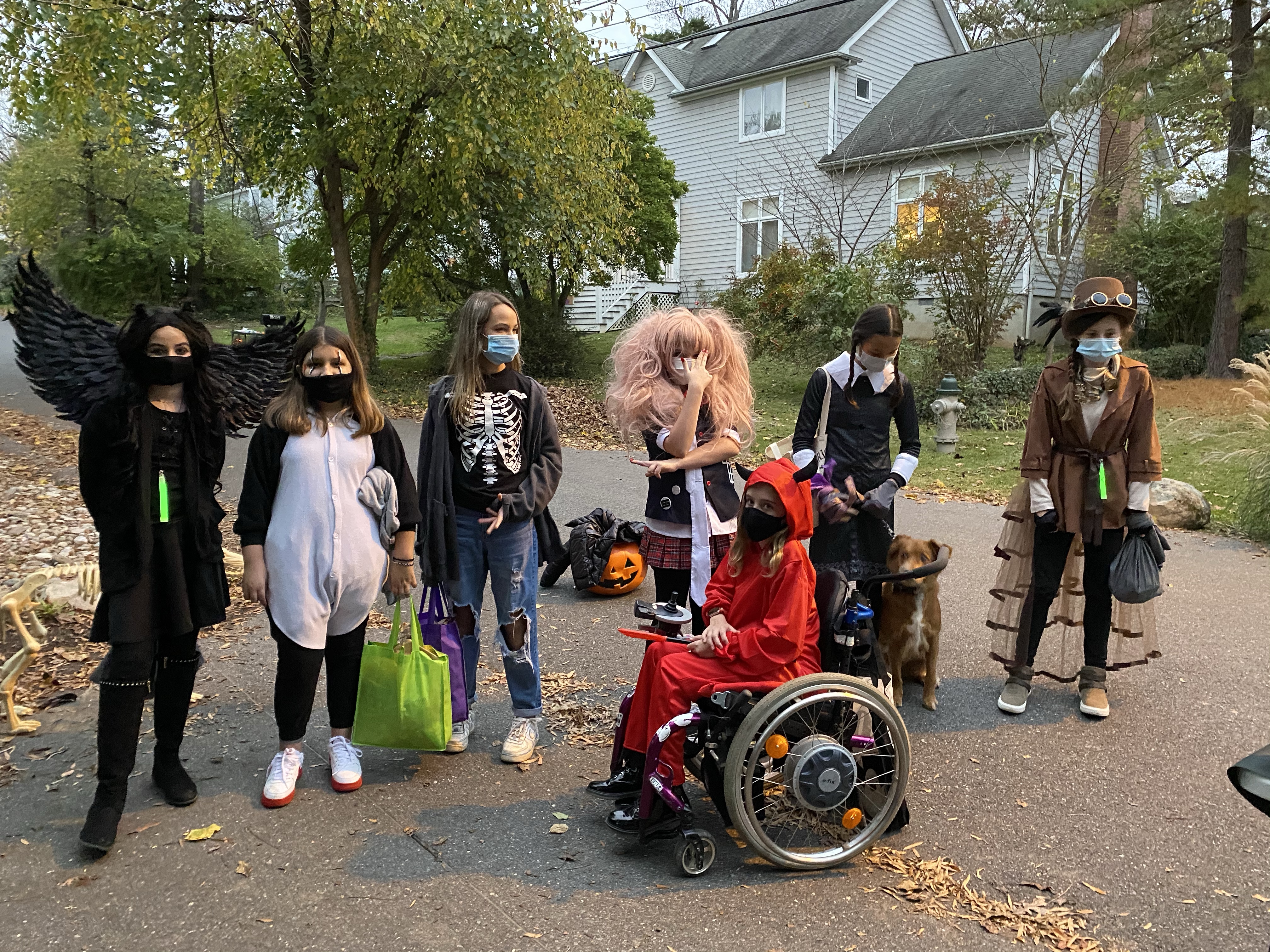
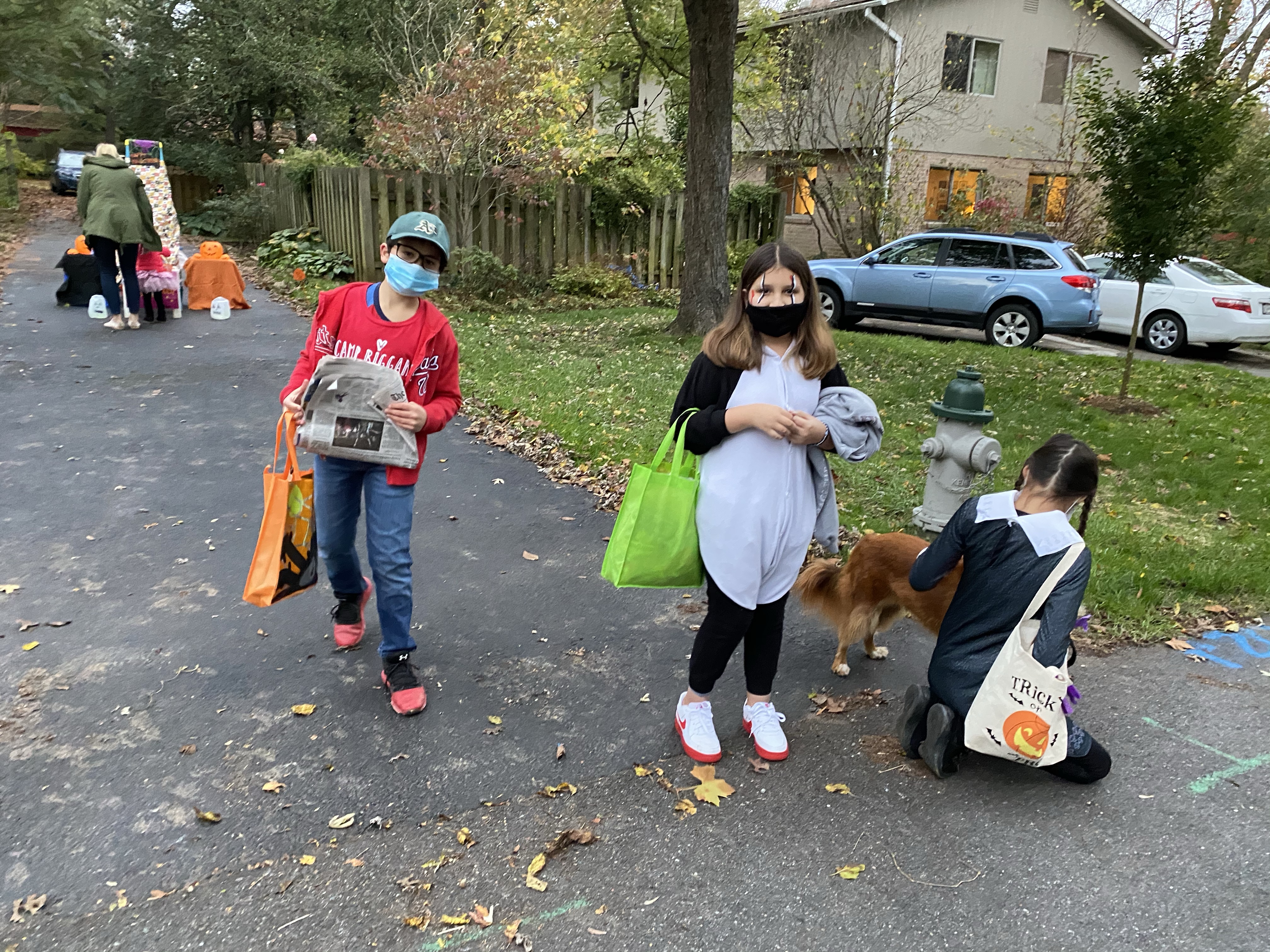
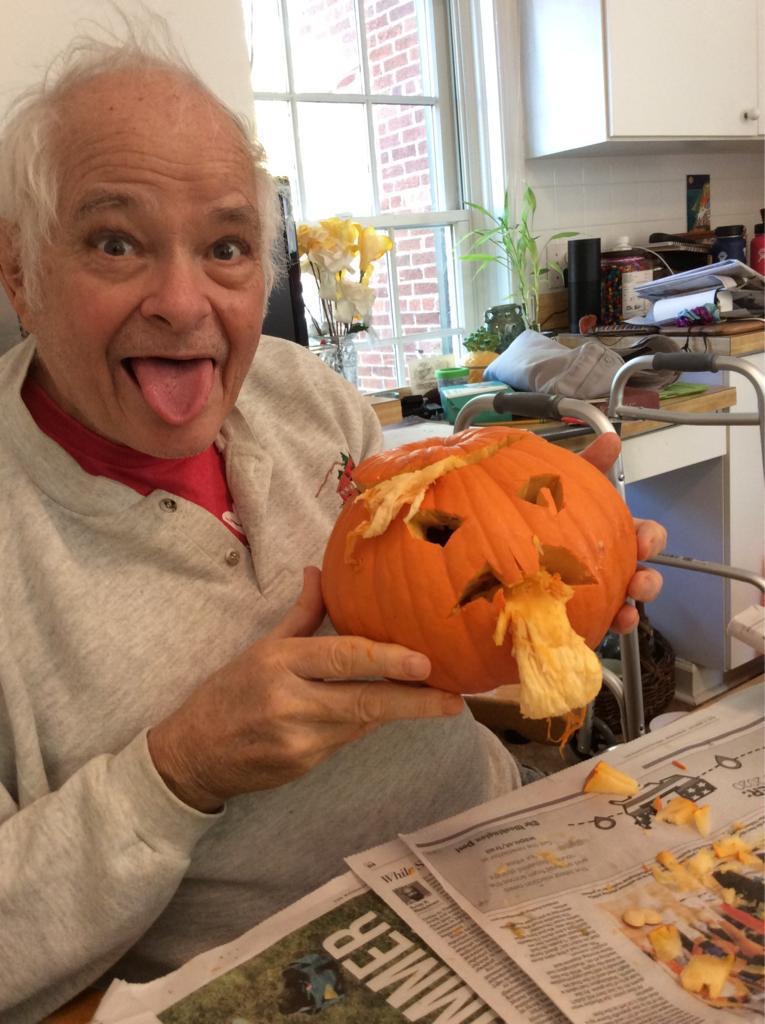
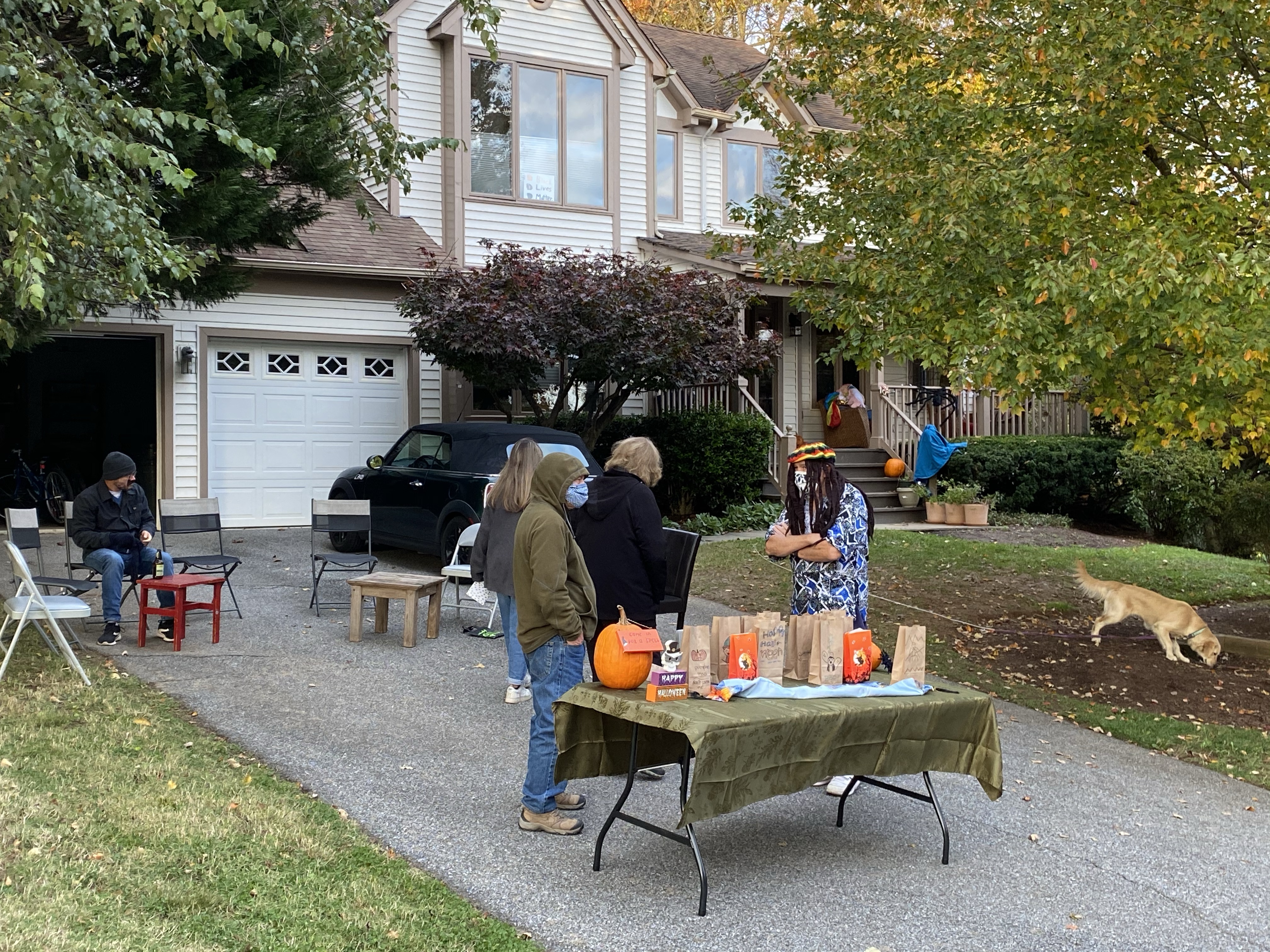
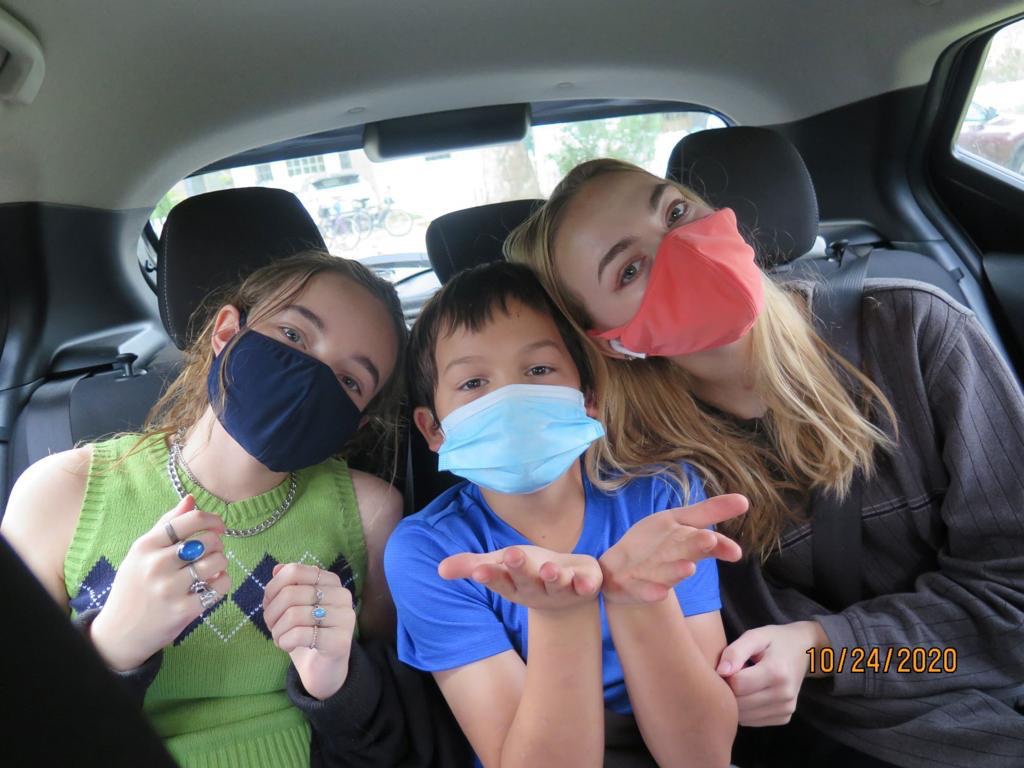
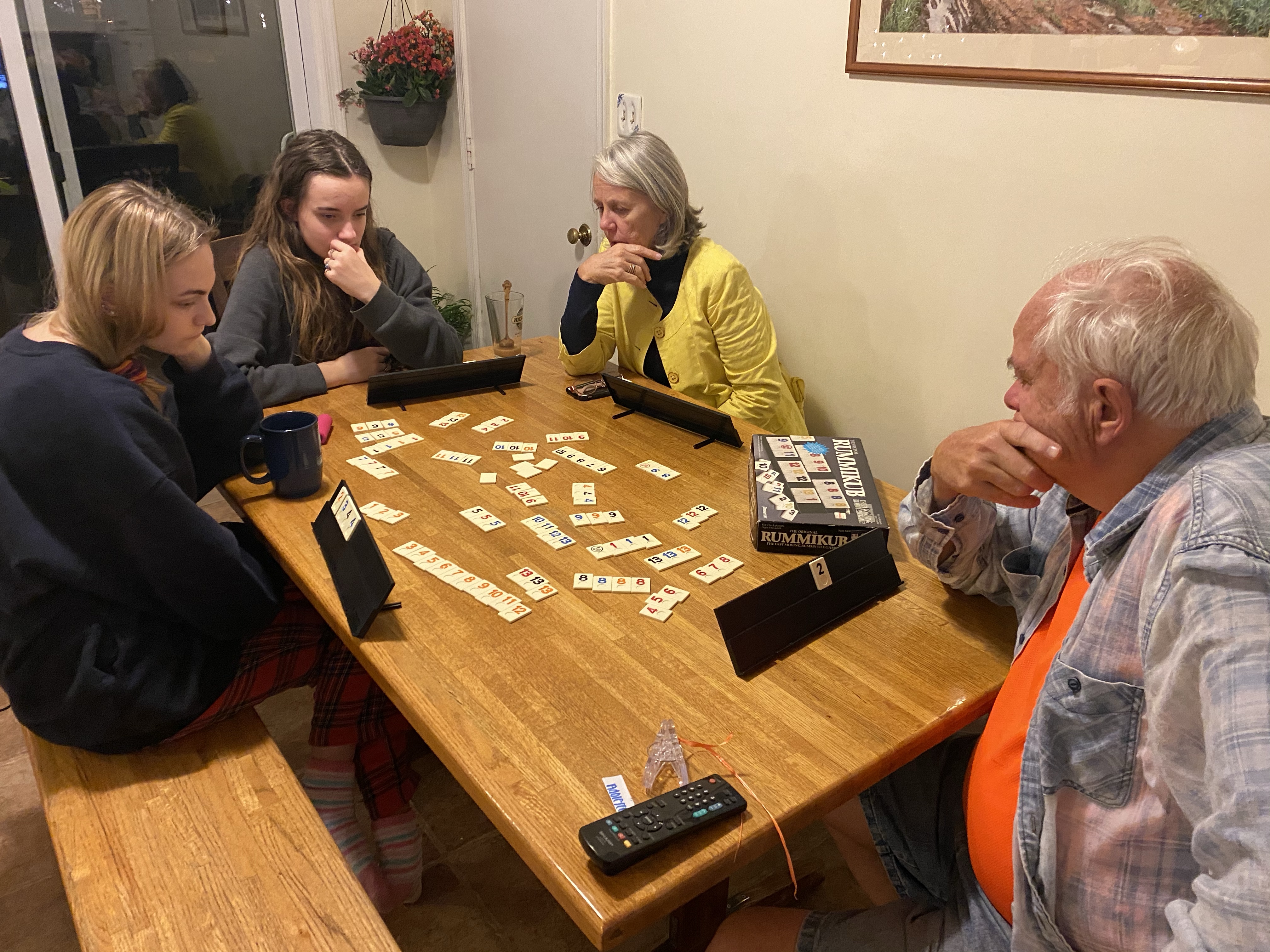
Halloween 2020 didn’t happen for a lot of kids, but it did in Cabin John. Lots of social distancing, contactless picking up of treats on tables, and, appropriately, mask wearing. It was awesome, considering. Events turned darker than expected personally, but it was a treat having family and friends with us to celebrate, including parents, nieces, and Tunisia-based Noelle and Mica.

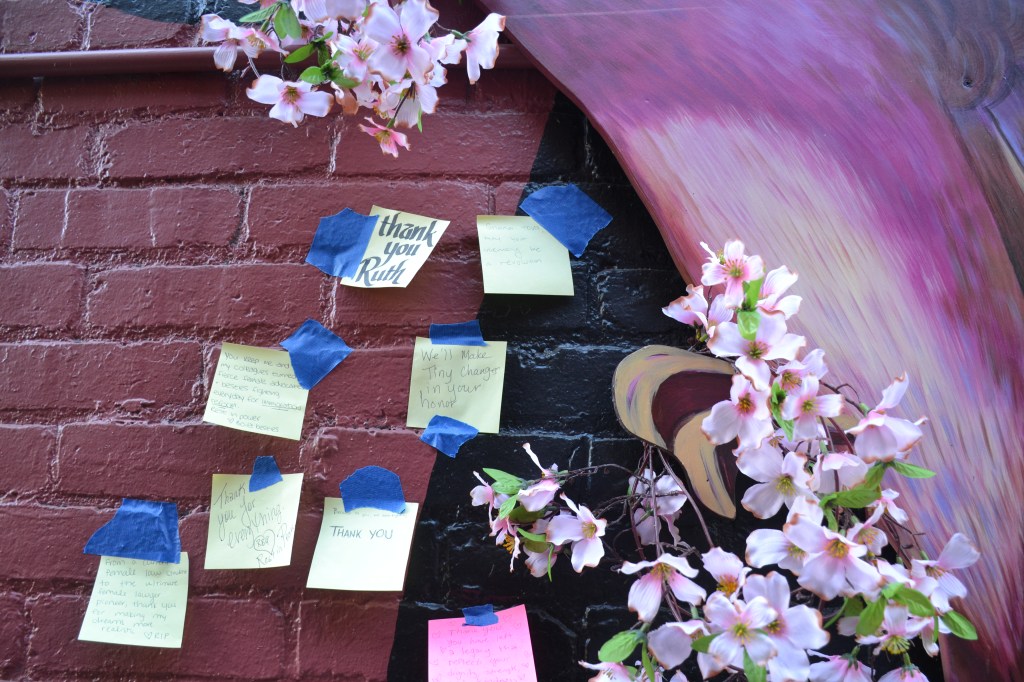
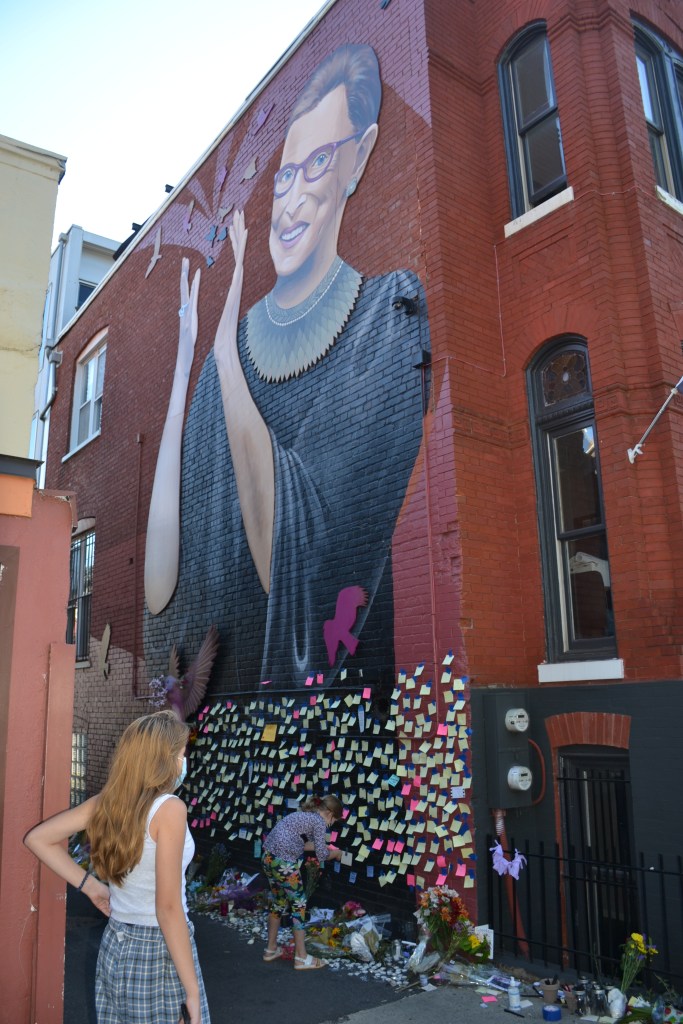
“We’ll Make Tiny Changes in Your Honor”

I really appreciate Tatum’s concern for justice and her willingness to speak truth and speak up for what’s good. I hope the legacy of RBG endures and gives my lion-natured, social butterfly, beautiful, live-in-the-moment daughter all the opportunities she deserves and support she needs to survive being an adolescent girl in the 2020s. I can’t do big things right now, so I will focus on doing tiny things in her honor.

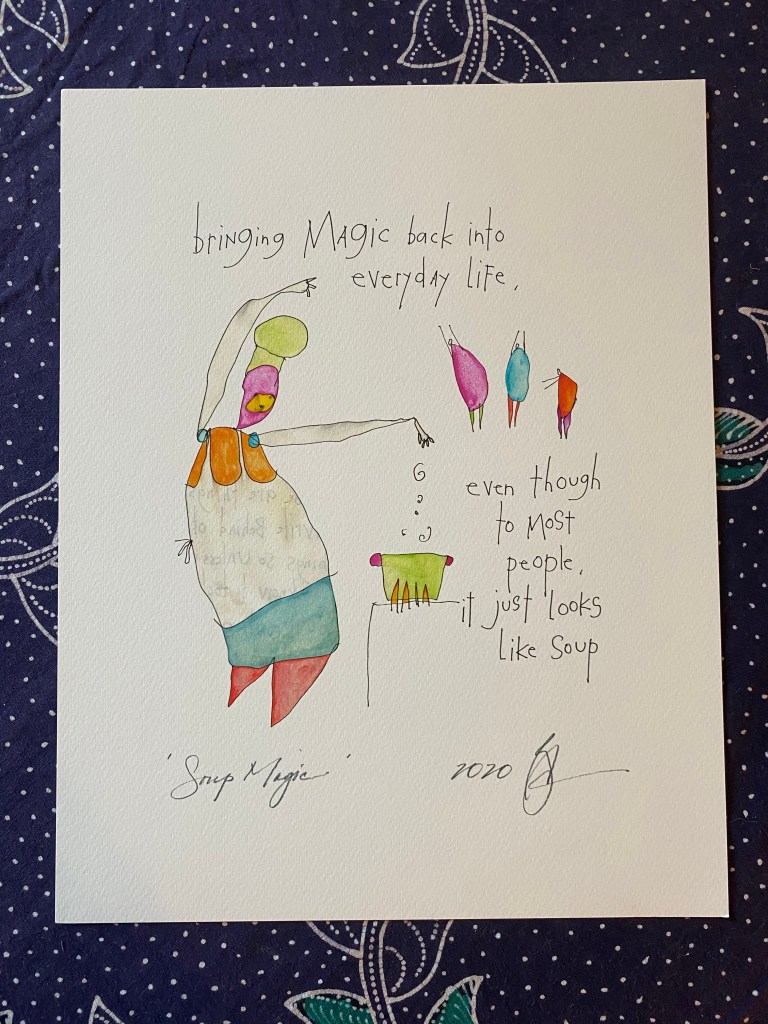
Maker of Soup Magic

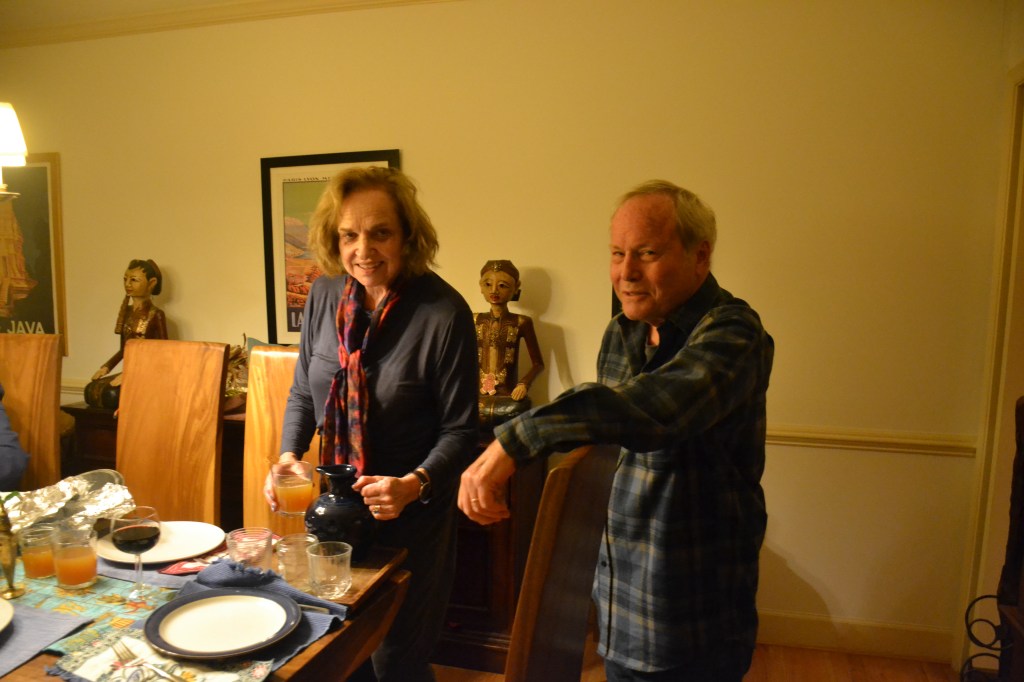
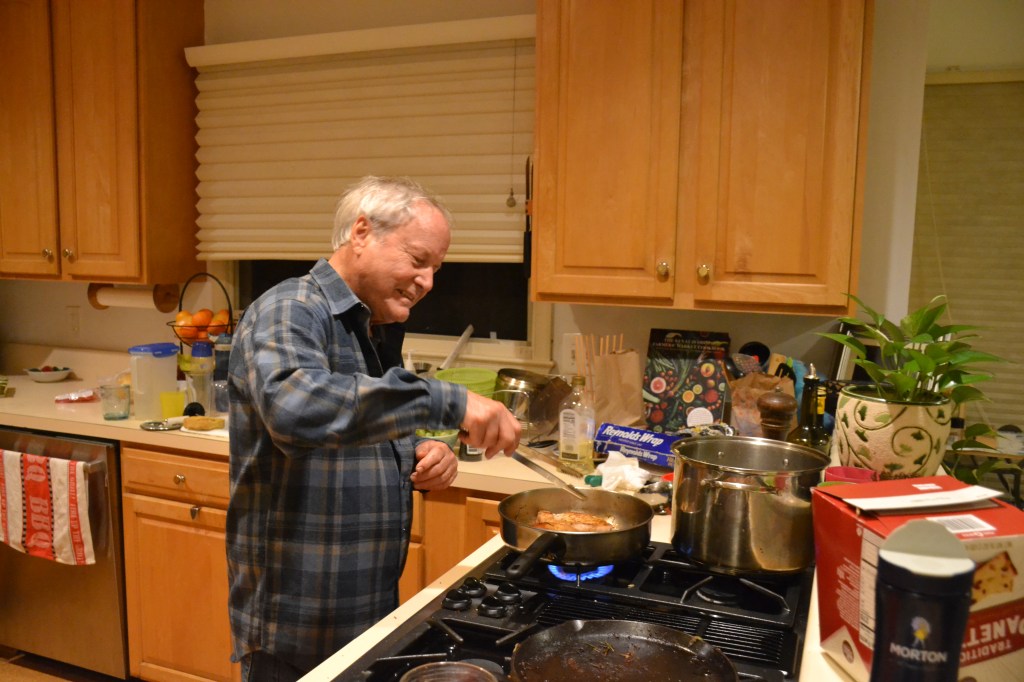
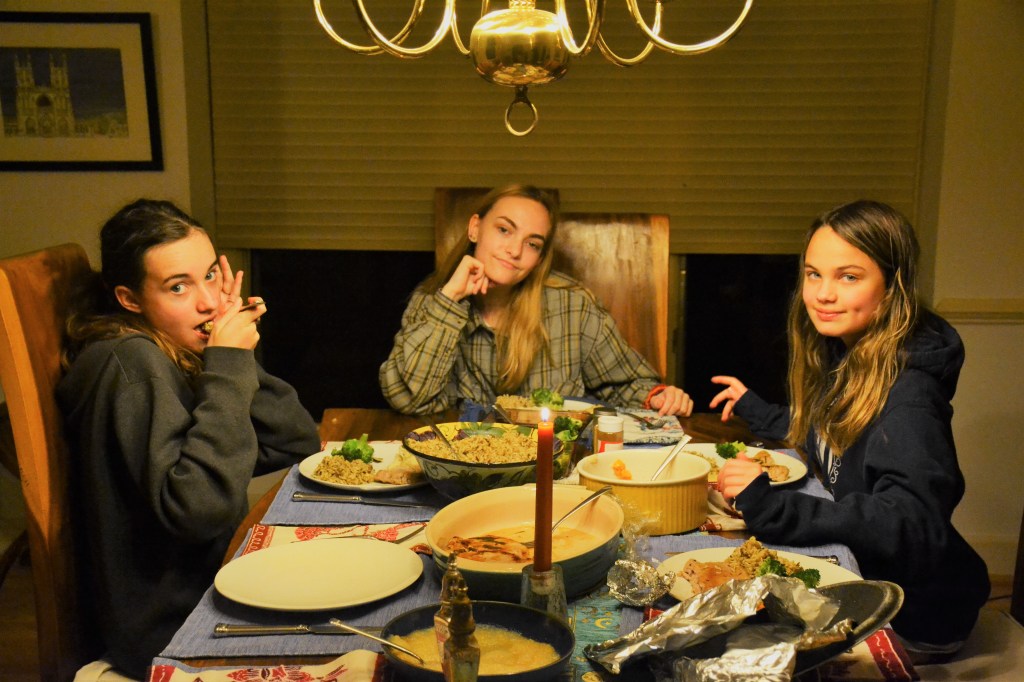
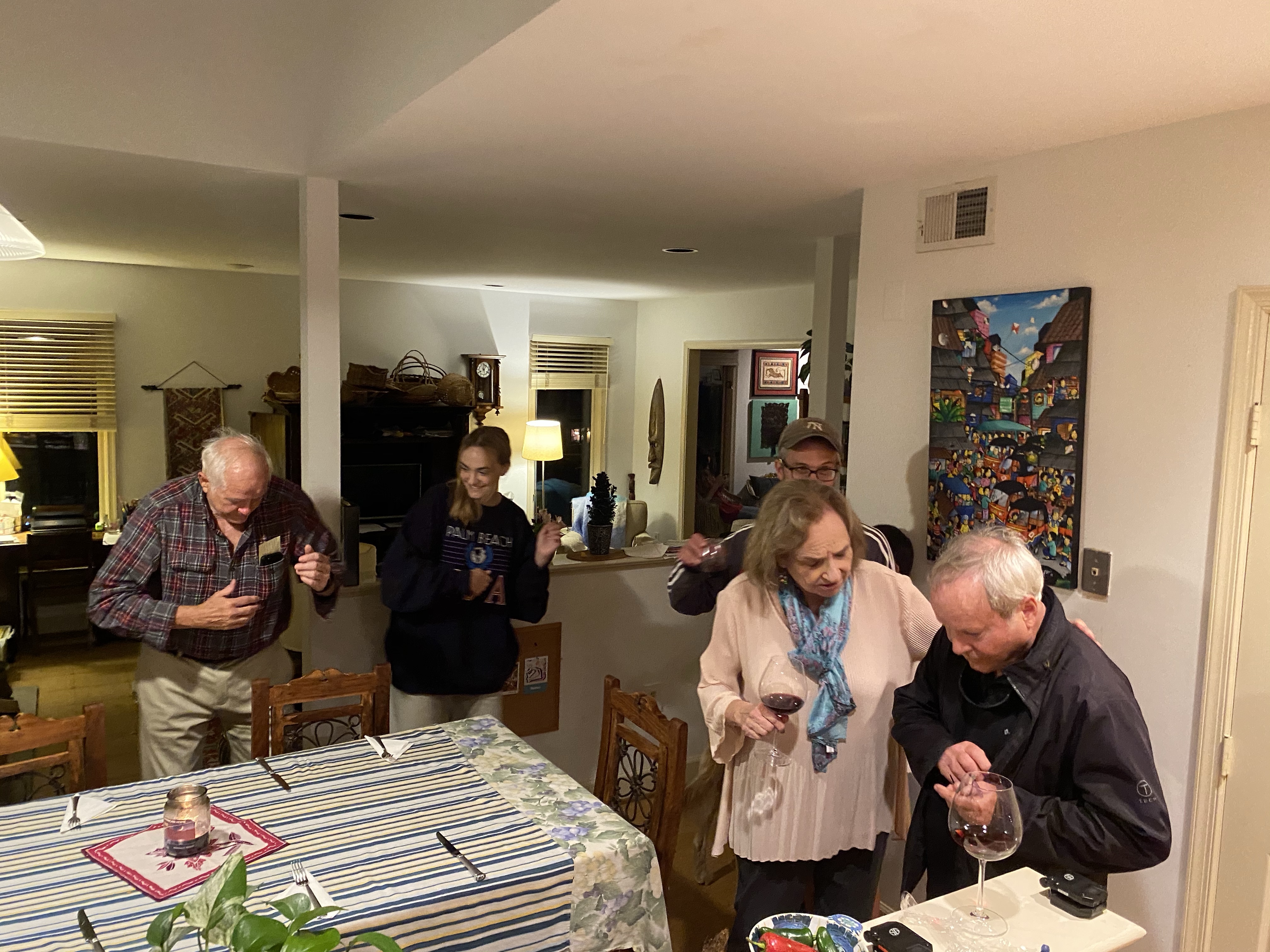
There are some kinds of soup that are fillers before a meal that you barely notice, and then there are Poppy’s soups. They are the heart of the meal or perhaps the only dish in the meal. Dad and Mary Ellen had us over for dinner last night and Dad made soup. It was sort of in the realm of potato and leek soup, and it had both of those ingredients in it, but it also had other things, sausage and some other mysterious things. It was milky and hot, requiring Finn to have a good dose of milk as a chaser. Finn was motivated by the cupcake waiting for him at the bottom of the bowl, as it were. Clara could not be convinced even by the cupcake, although she tried cheerfully to move things around in case we missed the pile of leeks on her plate. Dad equally cheerfully shared a bite, but only a bite, of his cupcake with her.

This is the thing about Poppy soup. Poppy doesn’t make soup, he makes soup magic. It is about trying new things, never having the same soup (experience) twice because there’s always something else that would be interesting to try, and always, always being curious and keeping things interesting.

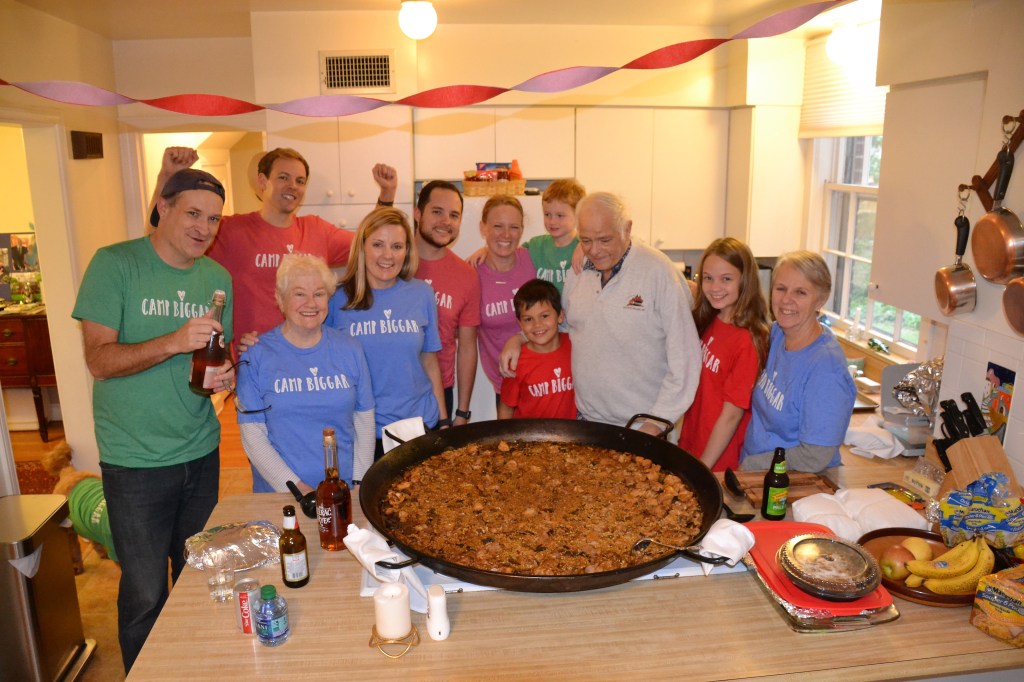
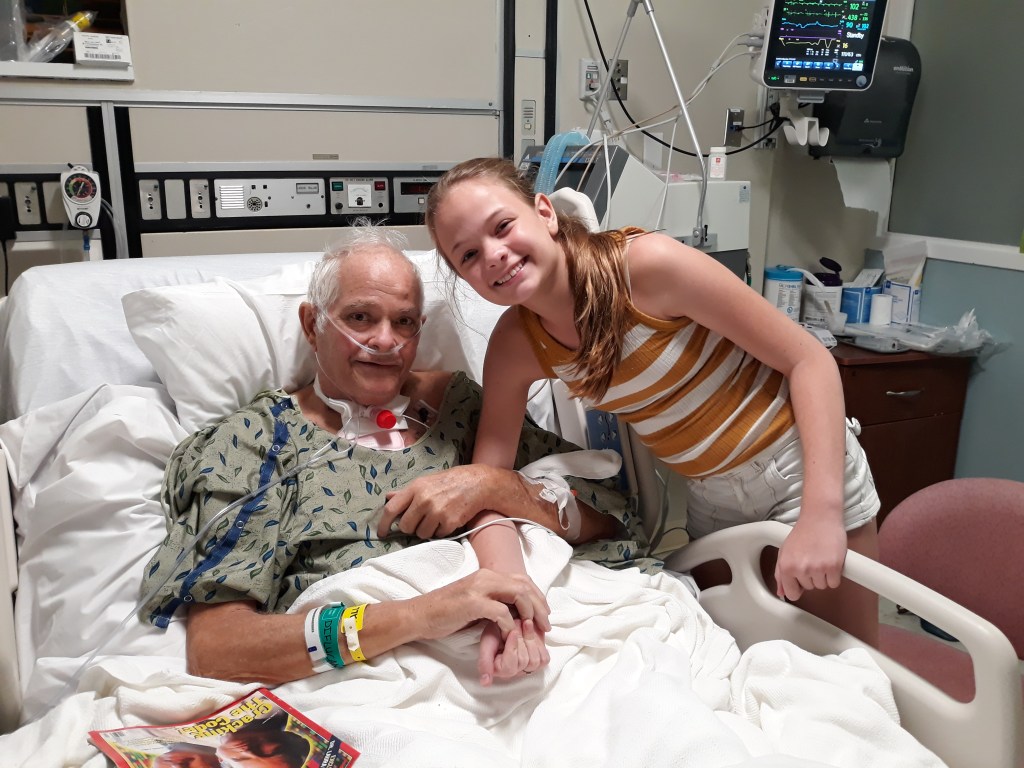
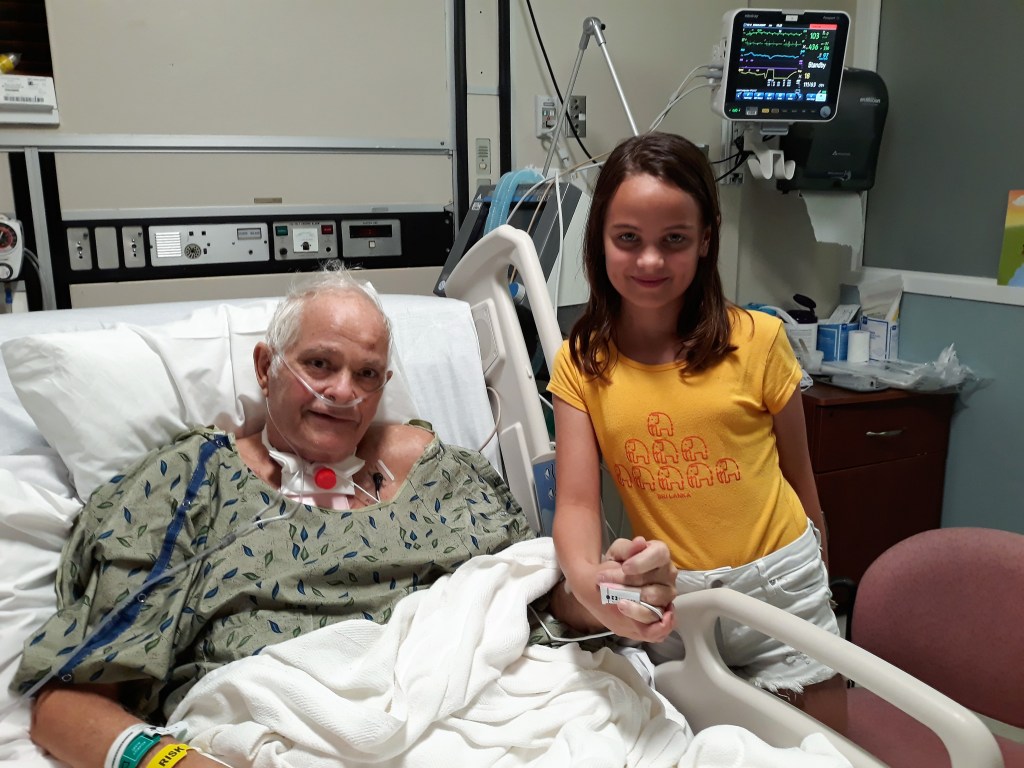
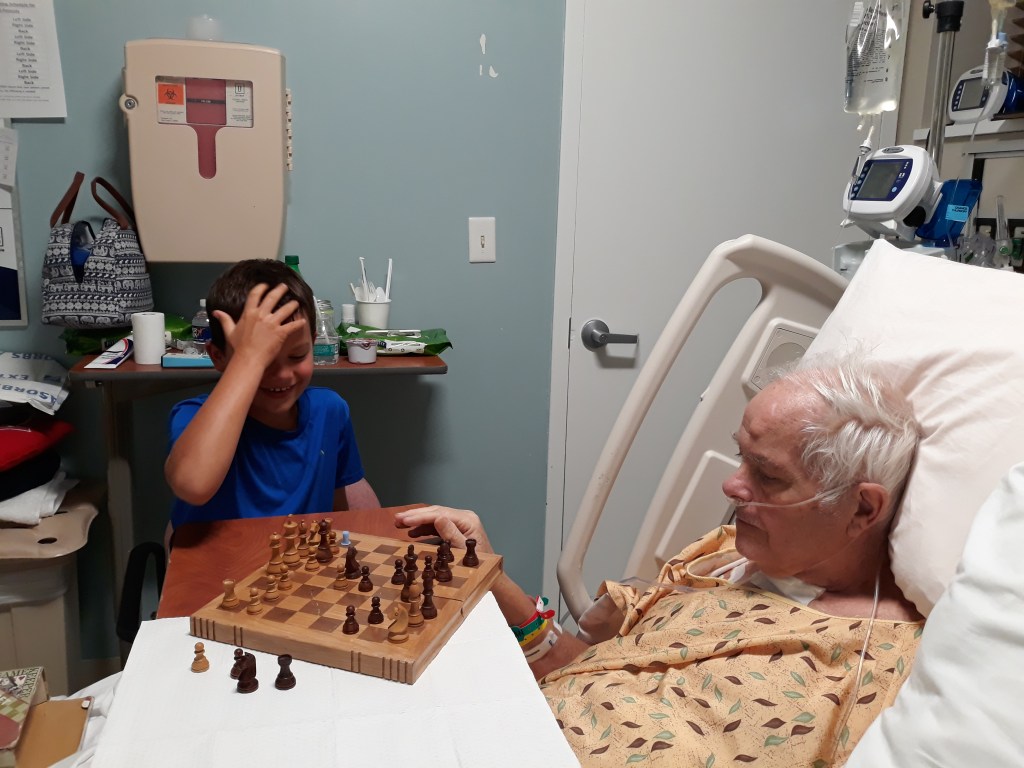
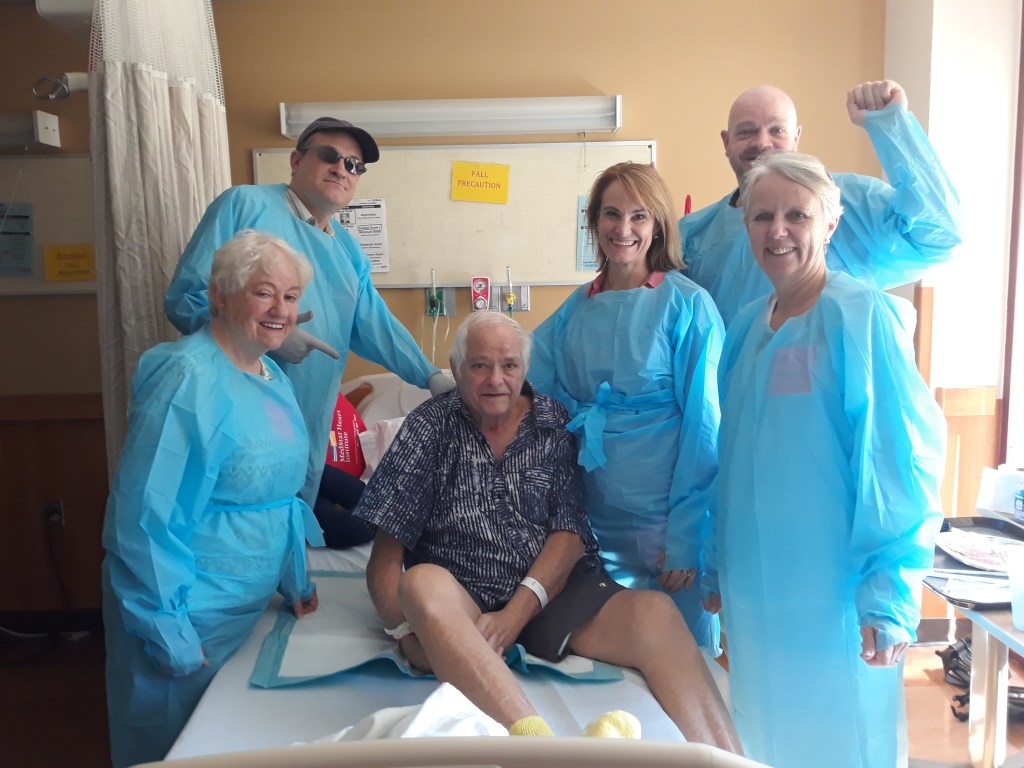
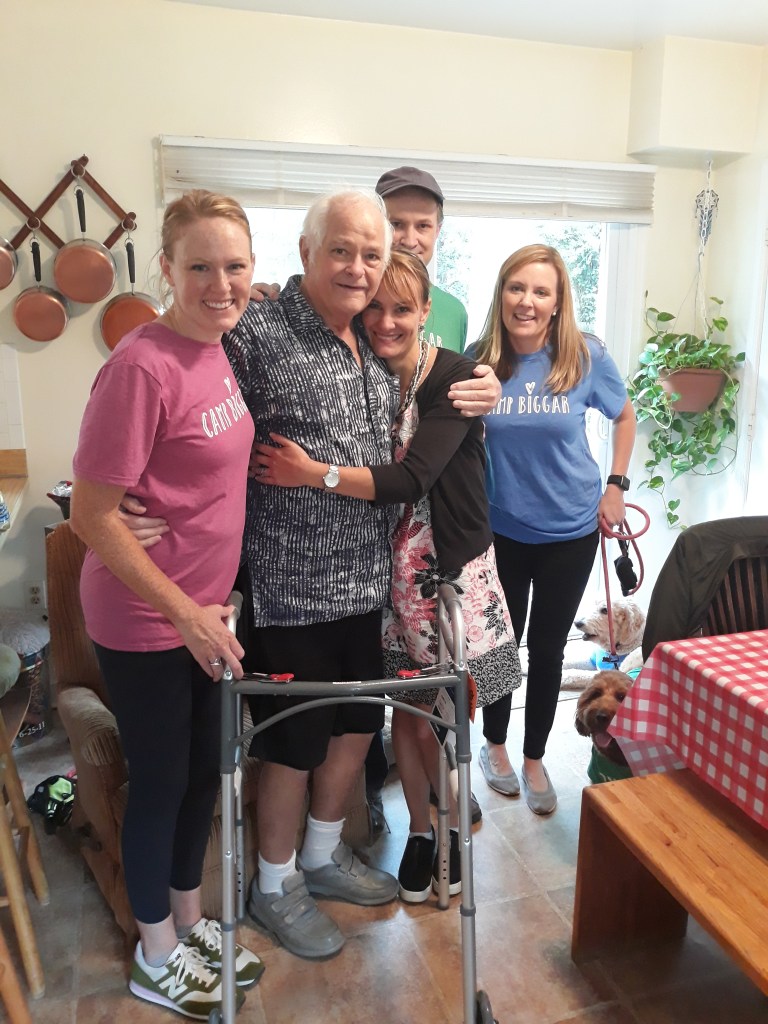
It was about a year ago (on October 8) that Poppy came home from the hospital (three hospitals, over two months, one new heart later), and we celebrated with a vat of paella big enough to feed a village. That day, we didn’t know if Poppy would be able to physically get into the house or even out of the car. We didn’t know if he would be able ever to walk upstairs again.

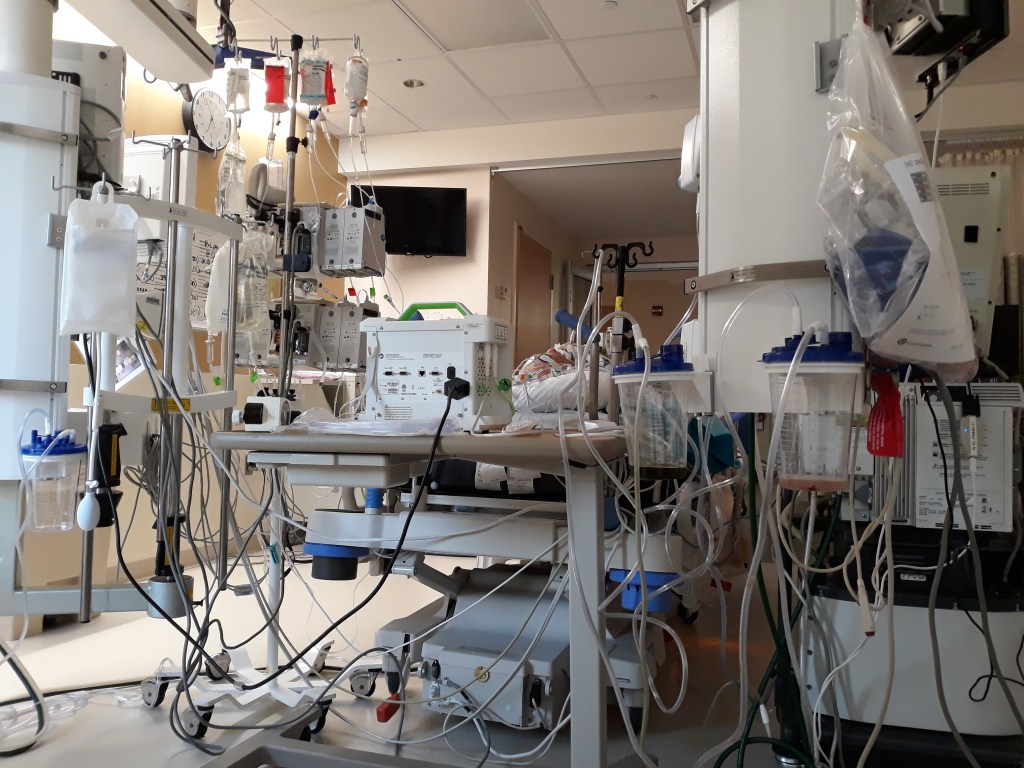
When Poppy reads articles about patients with COVID being on ventilators, kept alive by “something called an ECMO, which I wouldn’t expect you to understand, but it basically serves as the body’s heart and lungs,” I smile and nod and try not to experience PTSD. I don’t tell him that I could write a small thesis on the ECMO and it’s relationship to hypoxia, oxygen saturation levels, blood pressure, kidney functioning, sedation and intubation. Everyone in the family could.

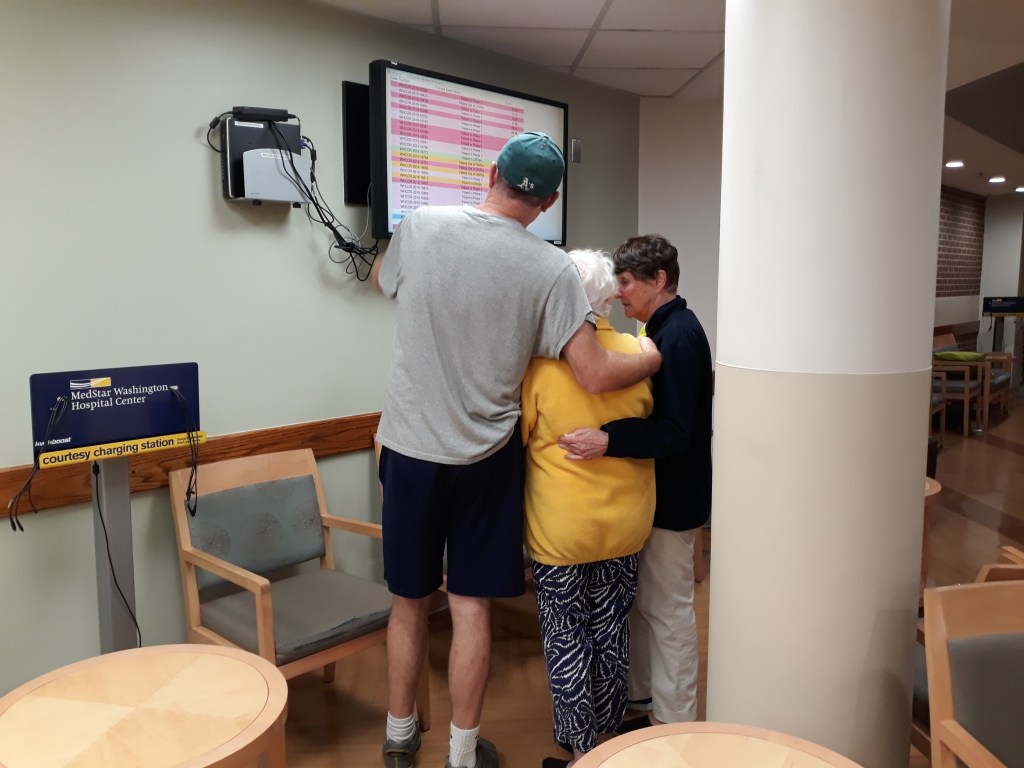
Just over a year ago, we took every flicker of the eyes or a movement from his left hand as an important indicator, not knowing which way he would go. We dissected his every movement for signs of progress or regression. We cried over his bedside, sat beside him throughout the night, prayed for him and held his hand while trying not to touch the equipment saving his life. We listened to every Rounds in the hallway, studied x-rays on the screen of Dad’s lungs, and asked too many questions (we were trained by the best). Camp Biggar may also have been known to eat a serious amount of food from Sweet Green, Panera’s, the Thai place and the M&M company. We rearranged waiting room furniture and conducted reliable and valid bathroom evaluations–anything to distract us from the fact that Dad may or may not leave that room awake.

Last night, I had to jog to keep up with him while walking the dog. He ran 4 miles a few weeks ago. He had Tatum pruning the hydrangea bush in the back yard yesterday, has handwritten 100 postcards to voters in West Virginia, written a screen play, performed as Bob the Weatherman in Finn’s film, and repaired our refrigerator. He has been to the Kennedy Center, a talk I gave at American University, and would have traveled the Baltic Sea this summer had it not been for a pandemic. Dancin’ Bob danced at Honi Honi and may have waterskied. He has made soup magic. Every dinner is a celebration with Poppy.

Instructions for Unmaking Hate

Written for the Redeemer Spirit, October 2020 edition.

I guess this is a year for zooming in, as it were, on the ugly. I just read a good book that makes me zoom in on some of my experiences with race. Going to Bethesda-Chevy Chase High School in the 1980s was supposedly a progressive experience; it was a big, public, high-quality, racially integrated school. It seemed like a classic high school experience: I went to fall football games, helped run fundraising concerts to benefit people in El Salvador, took AP classes and co-edited a literary magazine for student-generated poetry and art. 

Looking back on it, I’m not sure that it was a “classic” high school experience for my Black friends and peers. Friendships didn’t always blossom across racial lines and the interracial friendships that had existed in elementary school often faded.  Our cliques, classes and activities became more segregated over time rather than less so.  I don’t recall major racially driven problems, but the sense of otherness sat insidiously there as we clumped together in like-skinned groups at lunch.

Proof of the long-standing and widespread presence of racism reared its ugly head for me two years after graduation with the 1992 Los Angeles riots, which I watched first-hand from the nearby Pomona College campus. I saw the fires burning, the crowds aflame with frustration and the hatred that erupts when there is contact without connection between people. 

What felt strange about the timing of this riot in my small story is that in college, there was integration of a different kind than I had experienced in high school. At Pomona, a student from deeply Hispanic, Catholic community in L.A. lived in the same dorm with a Hawaiian student who never wore anything but shorts and flip flops, a Midwestern Black Emily Dickinson-loving girl in Birkenstocks, a Georgia boy with a drawl who killed the Jeopardy questions every time, and my quiet, White, WASPy self. We bickered over turns in the shower, played music too loudly late at night and ate Fruit Loops together in the dining hall at breakfast. We weren’t just politely integrated, we were integrated. We annoyed each other, respected each other, argued with each other and partied together.

I wonder if this is what Howard Thurman meant in his book Jesus and the Disinherited, when he talked about “fellow-feeling.” “Hatred,” Thurman wrote, “often begins in a situation that is devoid of any of the primary overtures of warmth and fellow-feeling and genuineness” (p. 65).  To me, this means that one has to actually be in relationship with another as an equal human being in order to avoid misunderstandings or power differences from festering into disinterest or dehumanization.

First published in 1949, the book was influential in shaping the civil rights movement and equally prescient, unfortunately, in describing an effective approach to the contemporary Black Lives Matter movement. It’s dispiriting that we are collectively experiencing the same racism problems from the post World-War II era in the heated summer of 2020, but it’s helpful to have instructions to navigate them.

Thurman challenges his reader to look closely at the damage done by individualism and social isolation. (We have to give him latitude in his opinion about the benefits of isolation.) His parsing of the Gospel is practically a set of instructions on resistance for the poor and disenfranchised: Resistance to hatred requires relationships. His guidance to us, whether we have power or not, is not just to have contact with “the enemy,” but to cultivate warmth in a relationship in order to avoid hatred. 

What is striking about Thurman’s guidance is that he simultaneously demands that people with less power, “the dispossessed,” live a life of integrity that never caves to fear, hypocrisy or hatred.  Um, that sounds hard. 

I think about our microcosms of relationships. In our interpersonal relationships, can contact without warmth create hatred in family relationships, between neighbors, and across co-workers’ desks?  Certainly.  Consider the political animosity that drives wedges between wings of families or puts certain topics on the taboo list.  It has become de rigueur to avoid conversations of politics or policy in the company of friends or family who might have a different perspective. 

Yet I wonder, based on Pastor Thurman’s counsel, whether a way forward might be to bravely step into dialogue with each other, dialogue based on a desire to understand and build bridges, to cultivate conversations sparked by warmth. 

So how do we create warmth?  Maybe it’s a mixture of open-minded listening, a desire to understand a different worldview, courageous sharing of personal stories and whatever dose of selflessness is required to share power and resources.  

Maybe in order to weave connections, we need to talk to each other about hard things and, just as importantly, listen to each other about hard things.  It can be super uncomfortable to have awkward conversations, but I don’t think Jesus asked us to live life with the goal of being as comfortable as possible for as long as possible.  If we can brave the discomfort, the contained friction of a good dialogue or mutual acts of service and hospitality might just generate that warmth and understanding that will keep us from hatred and maybe even move us into affection and respect. 

Anyway, a civilized dialogue over dinner about racial experiences sounds less awkward than arguing about whose turn it is in the shower while standing in nothing but a towel and slippers in the hallway. I’ll take the dinner option please.
Looking Under Rocks and the Importance of Travel

“When you are a kid, everything is new. You don’t know what’s under each rock, or up the creek. So, you look. You notice because you need to. The world is new. This, I believe, is why time moves slowly as a child–why school days creep by and summer breaks stretch on. Your brain is paying attention to every second. It must as it learns the patterns of living. Every second has value,” writes Jedidiah Jenkins. “But as you get older, and the patterns become more obvious, time speeds up…The layout of your days becomes predictable, a routine, and once your brain reliably knows what’s next, it reclines and closes its eyes. Time pours through your hands like sand.”

I love this explanation of the differences in time speed kids and adults experience. What I love even more is Jenkins’ antidote: “If discontent is your disease, travel is medicine. It resensitizes. It opens you up to see outside the patterns you follow. Because new places require new learning. It forces your childlike self back into action.”
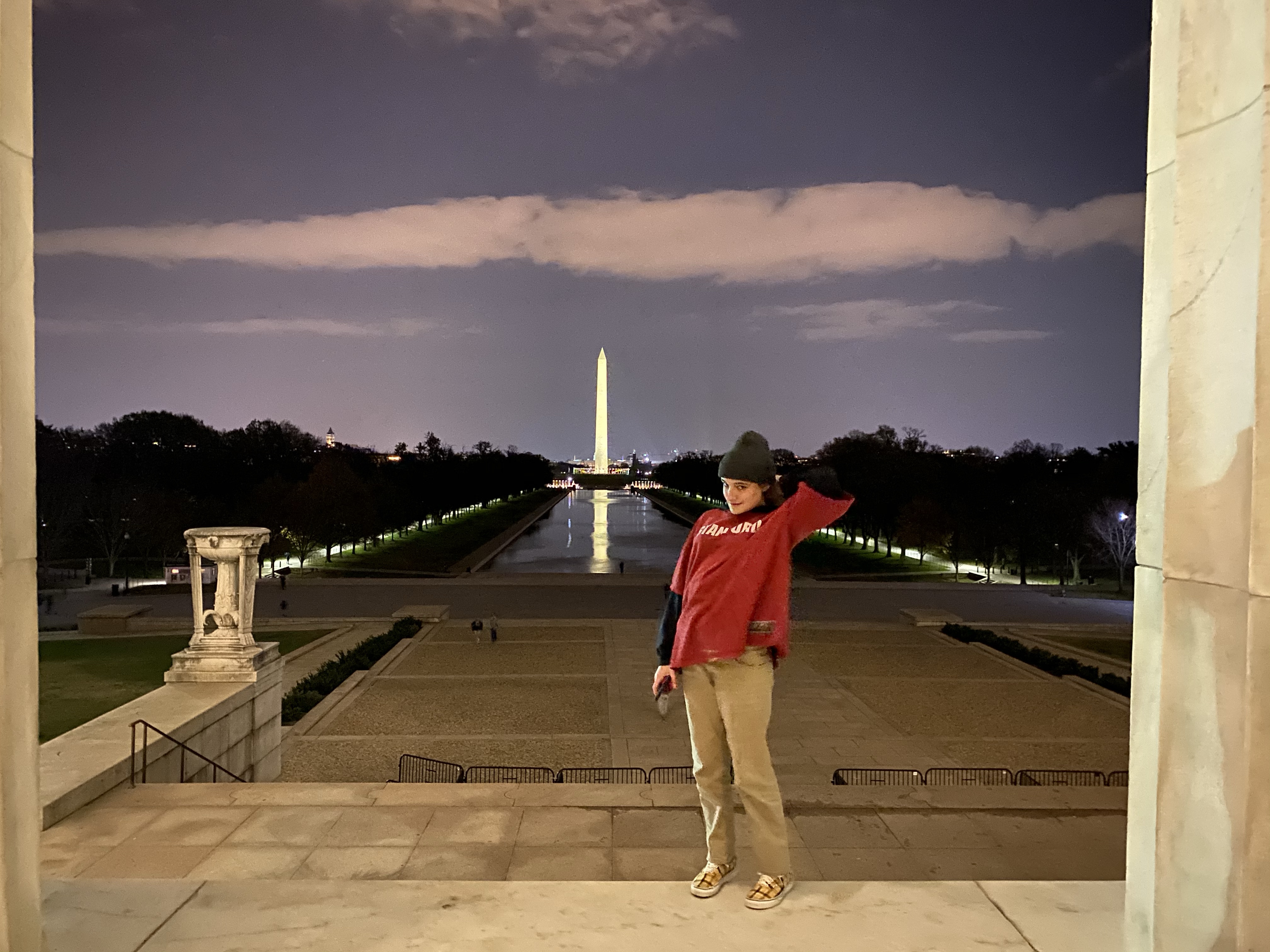
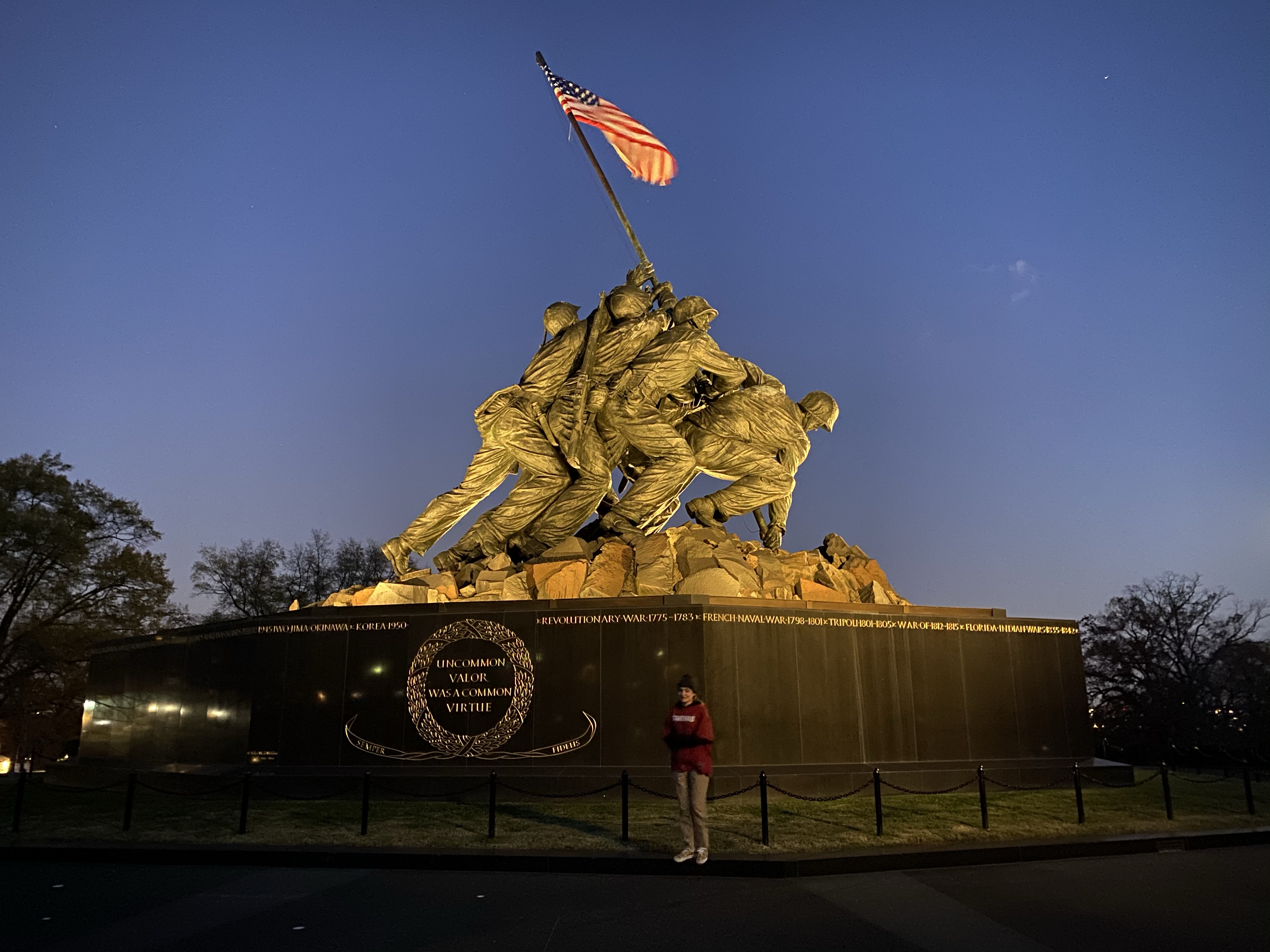
So true. This year has been long, and there’s more long yet to come, but for a brief parenthesis in the months of predictable–I can’t say routine, because that fizzled around May–we saw new. We traveled. I recommend it.
For two weeks, we didn’t see our own four walls because we were living on big-sky porches in North Carolina and Georgia. Yes, a friend did ask if we were COVID chasers (thanks for that, Keiran!). What we were chasing was the new under each rock and up each creek, or river as the case may be. And under each book cover, restaurant awning and wine bottle cork.

We stayed first near Saluda, North Carolina, in a cabin in a valley which required managing 17 switch backs up a steep mountain road to get a jug of milk in Saluda. (Dad, it reminded me of the road up the hill to our Tuscany house, only this time with two lanes.) The very first morning we found a 3-foot snake skin on the front porch. It hadn’t been there the night before, when we ate Kevin’s grilled steak by bare-bulb light on the deck, so that was exciting. In the cool of the morning, we sat on the porch admiring the snake skin and a magical view of enormous meadow shimmering in mist, a rise of green Blue Ridge mountain and a peek of sun stretching to start the day. I think we sat there for the next four hours reading books.

This description refers to the adults only. The girls sleep until forcibly roused and Finn was looking for the snake or something. The afternoons were more active, but not much. In the afternoon, we kind of did more sitting around, only on tubes in a cold-ish Green River. The water was high from massive storms, which was exciting, if sitting in a tube and exerting no effort can be considered exciting. There were rapids. I only fell off once. Finn and Kevin were too busy trying to beat the other to end of the ride to offer to help, and the girls were more intrigued by the groups of teenage boys floating by, who were regretfully aware of them in return. The views I noticed (not boys, except for boys watching my girls) were gorge-ous and interesting.

Some of the river banks reminded me of Kalimantan, Indonesia, with the thick riverbank vegetation. I kept an eye out for orangutans out of habit, but I didn’t see even so much as a macaque. I did see some quaint trailer houses with added wooden decks and the occasional confederate flag perched atop it; big, fancy houses with floor to ceiling glass windows looking over the river; and lots of stretches of nothing but Carolina jungle. In the stretch of river across from our cabin, we later swam with Bali-puppy and saw the occasional Hispanic families venture tepidly into the water with life jackets on; a dad floating by with ball cap and drink, giving advice to a son; or a cluster of teenagers scrolling through their phones as they floated. It was chill.

We had one thrilling adventure, which was zip lining. We geared up in our masks, harnesses and hard hats, and flew down 11 lines to the bottom of the gorge 1,100 feet below. It was awesome seeing the views of old-growth forest extending out before our eyes as far as we could see (1-2 percent of NC is protected old-growth forest). Everyone did really well with it, no dramas. We have fearless kids, thanks to a life of travel. We compared it to zipping over Angkor Wat in Cambodia and loved the experiences equally much. I felt slightly more reassured in North Carolina because the company used German-made bolts and lines and grips, which is nice when you’re over a 100-foot drop.

Only one tree in the forest had been cut down for the course, and the trunk remained in the shape of a heart. In keeping with tradition, we shouted out what we loved as we leaped off the platform.

Tatum shouted, “My phone!”
Finn, “My parents!”
Clara, “Tacos!”
Kevin, “My family!”
Heather, “Vacation!”

We had a most excellent and previously unplanned stop in Athens, Georgia, on the way to our second cabin. I gave my family an abbreviated tour of where I went to graduate school–the psychology building where I spent most of my waking hours, a favorite restaurant called The Grit, the landmark UGA arches, my second apartment where I lived next to my BFF Liz. Tatum thought that sounded amazing and is ready to start grad school today. Her main takeaway from the visit is that she plans to join a sorority. Huh. Clara loved the old campus and awesome downtown vibe with boutique shops and funky coffee houses and Haagen Daaz and said she might like to come here too. She will join a sorority like Tatum. Huh. Finn mainly grappled with the new and difficult information that there is school after college.

Somewhere in-between Cleveland and Helen, Georgia, we stayed in an elegant-rustic cabin with yet another incredible view, this time off the back porch, of distant blue mountains. There was also a hot tub and bonfire patio. As we walked in and explored the lovely cabin, Clara said, “I like this, Mom. I think we should buy this one.” There are so many things wrong with that statement, I can’t even unpack it. Favorite memories here include watching a lot of Harry Potter movies, riding a mountain coaster, and thunderstorms.

Helen as a town was hilarious. It’s an attempt of a replica of Strasbourg, France. Again, there are many things wrong with that approach, so I’m not going to unpack it. We did find a fantastic “international” restaurant (decorated by naked cherubs on the walls) serving soft, hot pretzels and dijon mustard and dark, draft beer where the kids and dog could wander away from our picnic table to jump in the river. That was pretty wonderful.

The long drive back actually led to one of the best parts of the trip. We stopped in Charlottesville, Virginia, and reconnected with one of our Roshan families, those rare refugees accepted to the United States in recent years. They arrived exactly when we did, two years ago. Their youngest son would have died in Jakarta, whereas in Charlottesville he received world-class heart surgery, which allowed his brain to get back on track to normal development. His English and confident personality are now equal to his three siblings (and his accent is more American). These children were among my favorite at Roshan. I can go into their story another time, but suffice it to say, it brought our family glowing joy to see them, and to see them thriving. Their dad has a job in housekeeping at a hotel, and their mother smiled more in that one-visit than she did in four years in Jakarta. I am once again grateful to this country for this generosity and fidelity to our principles.

We also loved the vibrant pedestrian area of downtown Charlottesville where we ate gourmet shrimp and grits and fried chicken and biscuits. People danced to live Spanish guitar music under the stars. I am so glad we looked under this rock.

I forgot to add that on the way down to North Carolina, we stayed overnight in a Super 8 motel in Lynchburg, Virginia. Wow, that was truly an education of a different sort for our kids. We slept without air conditioning because I didn’t trust a shared air flow. Luckily a window opened, but that allowed for the wafting in of cigarette and weed smoke. Finn, our little boy scout, was most offended by this. The sink didn’t work properly and there weren’t enough towels, so we spent most of the time trying not to touch anything or breathe. This experience allowed the kids to look under a rock of a different sort, which brought Kevin and me much joy in a sadistic kind of way.

And then we came home and it’s back to the future. The end.

The Jellyfish Problem and How to Solve It

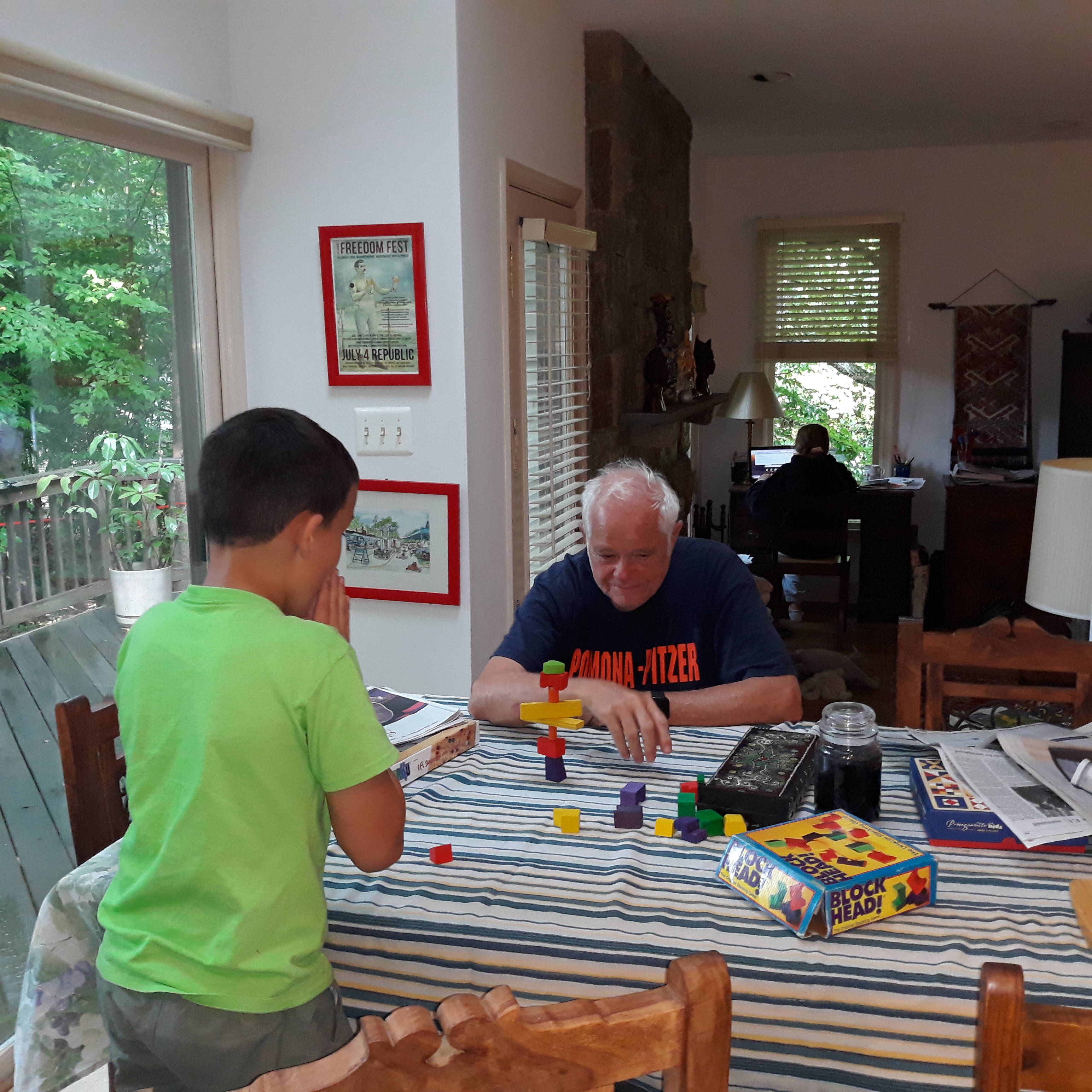
Late May was always the best part of the year. School was almost over, my birthday was coming, the weather was indescribably inviting, you could feel the freedom just around the corner that waited for you. You knew backyard barbecues, clay courts, mourning doves, lightning bugs, Arnold Palmers and long, lazy days of chill time were almost yours. Good summers often included a beach trip with friends or cousins. There were tumbling waves, great books and hours upon hours to read them, ambling aimlessly along and gawking at all the weird sites of the boardwalk, taking respite from the heat during the late afternoon with rounds of Clue or Blockhead and sometimes a sunset swim.

And then there were the jellyfish. They bobbed along, dumb as dirt, directionless but ready to sting if you brushed near. That’s me right now. I am the jellyfish. In my low moments, I am aimless and snappy and my mind might be approaching mud.

When the quarantine started in mid-March, we were still focused, somewhat purposeful, buzzing along like a vibrant ecosystem. We had exercise regimes, called friends to talk about how odd quarantine was, reveled in not commuting or getting up early to catch the school bus. Over the last few months, the ecosystem has puttered to a faint hum at best.

I invited Clara to walk with a best friend, and she shied away from it. The last time they had tried, they conversation went like this:

Girl 1: “What’s up?”
Girl 2: “Nothing.”
Girl 1: “Yeah.”
Girl 2: “Are you going on vacation this summer?”
Girl 1: “No…[pause]. Have you seen so-and-so?”
Girl 2: “No…”

Finn tried doing some zoom calls with best buddies. After making up goofy name labels for his friends and enjoying host superpowers like “Mute All,” they too got sick of sitting there looking at each other when they wanted to play water gun games or basketball. Sitting still is for the birds–or something like that.

Tatum, the new teen, is desperate to flee the coop. Where to? It doesn’t matter. Anywhere that does not involve seeing any other family members for at least a week.

I learned a new word last week: hypostress. Hypostress is “the stress which is caused by boredom or lack of motivation,” according to Collins English Dictionary. I can see how this is a real thing. I have found that all the joy has been sucked out of activities that used to keep me grounded. Following a prerecorded pilates class online, daily quiet time for scripture, watching a movie…none of it is nearly as inspirational solo as in community.

However, to fight the jellyfish problem, I must take action. This is important so that I don’t sting my poor family members inadvertently with irritability, lose my ability to think and blob around directionless forever. Three points of guidance to mind.

  1. Emma, one of my dearest friends, had sage advice for me when she moved from Indonesia back to Wales. She saw me remaining as waves of friends left again, and she saw me wilting. She said, “Stay engaged. You won’t feel like it, and I know you’re tired of trying and trying again, but you have to keep putting yourself out there. You have to stay engaged. You will rise again and you will make new friends.” She gave me this advice along with a wooden tea tray and a sardonic but gentle laugh, these being my future goodbye-Jakarta presents–in case I didn’t actually have any friends left when I departed.
  2. My mentor and I co-wrote a book in 2014. Our motto–Marilou’s advice to me–provided the motivation that helped us meet the manuscript deadline: “The perfect is the enemy of the good.” Zoom and my trusty mask will be my new good.
  3. James tells us very clearly that staying away is the antithesis of relationship. “Draw near to God,” James tells us, “and he will draw near to you” (James 4:9). Without small group meetings, bible study or worshiping as a body, I have let my jellyfish self bob dumbly away even from God. This is the worst kind of loneliness of all, and yet it is entirely fixable without even so much as a mask.

And so, I renew my commitment to staying engaged, having things be good enough and drawing near–to God in spirit and to family and friends in socially distant ways. And I know this biblical guidance is very specific to COVID-19 times because James follows the “draw near” mandate immediately with instructions to “Cleanse your hands.”

-Written for The Redeemer Spirit, August 2020 edition.